
I vividly remember the day I spilled a bucket of water over a freshly cleaned car, only to see the dreaded water spots emerge like stubborn shadows. That moment was a lightbulb for me—if only I had a better way to control water quality on the go, my detailing game could have been so much easier. From battling hard water spots to ensuring a flawless finish, the quality of water used during detailing plays a crucial role—and yet, many of us overlook this in our DIY setups.
Why Water Filtration Matters for Mobile Detailing
As a fellow auto enthusiast, I know how frustrating it can be to get that perfect shine, only to have water spots ruin the look. Water with high mineral content, common in areas like West Los Angeles, can leave behind mineral deposits that mar your paintwork and undermine your efforts. The solution? A reliable, custom-built water filtration system that fits right into your mobile setup. Not only does it help prevent those pesky water spots, but it also extends the life of your detailing supplies and ensures your clients leave with a showroom finish.
Is Building a Water Filtration System Really Worth the Effort?
Here’s where I made my first mistake: I thought I could just buy a cheap filter and call it a day. I was wrong. Poor quality filters not only clogged easily but also failed to remove the minerals effectively, making my work look worse than before. After some trial and error—plus reading a few trusted professional tips—I realized that investing in a good DIY filtration setup saves time and HOURS of redoing the job later. Believe me, once I switched to a custom system, water spots became a thing of the past. If you’re tired of battling these stains or worried about wasting your premium auto detailing products, then building your own filtration system is a game-changer. For more tips on achieving a mirror-like shine, check out my guide on [paint correction](https://cardetailingservicesupplies.com/paint-correction-tips-for-2026-used-car-flips) in 2026, which emphasizes water quality as a key factor.
Selecting Your Filtration Components
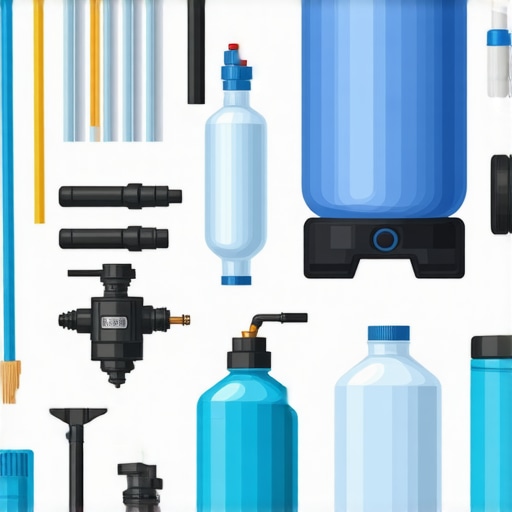
Start by choosing high-quality filtration media such as activated carbon, sediment filters, and ion-exchange resins. Think of these like layers of security—each plays a crucial role in removing specific impurities. For instance, activated carbon is excellent at eliminating chlorine and organic compounds that can stain paint or interfere with wax and ceramic coatings. When I built my system, I visited a trusted West LA detailing supplies shop to source premium filter cartridges, ensuring durability and effectiveness.
Assembling the Filter Housing
Using a sturdy filter housing unit is like installing a sturdy frame for a house—it provides stability and ensures the media stays in place. Screw together the housing components tightly but avoid over-tightening, which can crack the plastic. I recommend using a wrench for an even grip. Remember, a secure seal prevents unfiltered water from bypassing the media, maintaining the integrity of your filtration process.
Connecting the System to Water Supply
Attach inlet and outlet hoses with high-quality fittings to prevent leaks, similar to how a good automotive hose ensures smooth fluid flow. Use quick-connect fittings for ease of maintenance. When I installed my setup in my van, I routed hoses behind panels to keep everything tidy and prevent accidental disconnections during mobile operations. Test the connections with a small water flow first to check for leaks; it’s better to catch issues early than during a busy detailing day.
Installing Pre-Filtration and Post-Filtration Stages
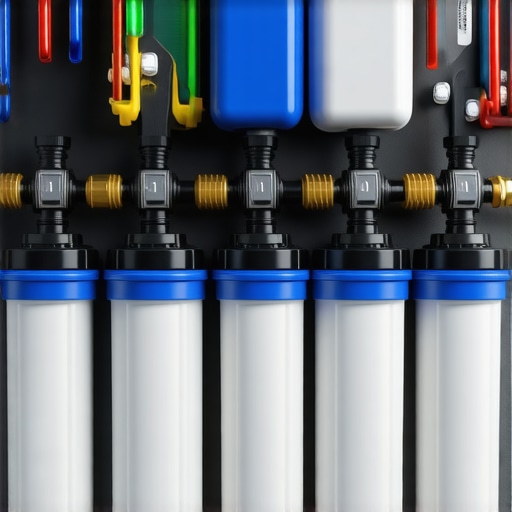
Adding pre-filters like a sediment filter protects your main cartridges, extending their lifespan—think of it as your first line of defense. Post-filters, such as polishing filters, fine-tune water clarity, ensuring spotless results. Picture this: while detailing a customer’s SUV with a ceramic coating, I noticed fewer water spots forming after I added a polishing stage—saving time and effort on final rinses.
Running and Testing Your System
Before heading out for a job, run water through the system for several minutes to flush out any debris from manufacturing. This step is crucial—it’s like warming up your engine before a long drive. Observe the water quality; if you notice cloudiness or particles, check your fittings and filters. Once clear, you’re ready to go. I keep a notebook to record filter replacement intervals, because maintaining filters is key to consistent water quality.
Maintaining Optimal Filtration Performance
Regularly change your filters based on usage and water quality. For hard water areas like West LA, I suggest checking every 50-100 gallons to prevent mineral buildup. Keeping spare cartridges handy allows quick swaps—like changing a spark plug during a pit stop. Also, keep a log of maintenance dates to avoid forgetting, ensuring every detailing session benefits from pristine water.
By adopting this systematic approach, you’ll see a tangible difference in your car wash results—fewer water spots, better gloss, and longer-lasting coatings. Investing time in building and maintaining your DIY filtration system truly pays off when your work shines brighter than ever.
 Many mobile detailers believe that more expensive equipment automatically guarantees superior results, but in my experience, this isn’t always the case. A common myth is that high-end auto detailing products outperform budget-friendly options across the board, yet actual outcomes depend heavily on proper usage and understanding the nuances of each product. For instance, applying a ceramic coating without prepping the paint correctly can lead to subpar adhesion and durability, regardless of how premium the coating is. This emphasizes the importance of mastering the technique and product compatibility instead of relying solely on brand reputation.
Are You Falling for the Complexity Trap?Maintaining Your Equipment for Peak Performance
Consistency in your detailing process relies heavily on properly maintaining your tools and supplies. Regularly inspecting and cleaning your dual-action polisher not only extends its lifespan but also ensures you achieve that flawless finish every time. For example, I recommend periodically replacing the brushes and pad backing plates, which can wear out over time, leading to uneven polishing results. Keeping your buffer pads clean by washing them with a gentle auto detailing product helps prevent swirl marks and enhances polish adherence. Additionally, storing your equipment in a climate-controlled environment minimizes corrosion and damage that humidity or temperature fluctuations might cause.
Tools I recommend for efficient maintenance
Investing in a dedicated tool organizer, like the professional-grade detailing storage system, makes routine maintenance straightforward. To keep your polishers and buffers functioning smoothly, I use a high-quality ultrasonic cleaner to remove debris and residual product buildup from internal parts—trust me, this small step significantly improves performance. For measuring water purity during filtration setup, a portable TDS (Total Dissolved Solids) meter helps monitor mineral content, preventing water spots and enhancing your final finish. As trend predictions suggest, automation and digital diagnostics will become more prevalent, so stay tuned for smart maintenance devices that can alert you when tools need servicing.
Scaling your detailing operation with reliable supplies
When expanding your business or upgrading your equipment, sourcing from dependable suppliers is vital. I always recommend purchasing auto detailing products like ceramic coatings or car wash soaps from trusted sources such as local suppliers near West LA. They often offer better prices and quicker support, especially if you need to troubleshoot or replenish supplies on short notice. To scale efficiently, consider investing in bulk purchase programs and refill stations, which help reduce waste and operational costs. This way, you maintain a consistent quality of work, even as your volume increases.
Future trends in equipment and maintenance technology
Looking ahead, I predict the integration of IoT (Internet of Things) devices into auto detailing tools, providing real-time feedback on performance and maintenance needs—imagine a polisher that signals when it’s due for a brush change or lubrication. As these advancements develop, mastering current best practices now, like regularly cleaning and calibrating your equipment, gives you a competitive edge. Be proactive: try incorporating a small ultrasonic cleaning session into your routine to keep your tools in top shape—simple, effective, and a good investment in your craft. For deeper insights, reviewing [paint correction](https://cardetailingservicesupplies.com/paint-correction-tips-for-2026-used-car-flips) techniques can also help you understand how well-maintained tools contribute to perfect outcomes.
How do I keep my tools working their best over time?
The key lies in routine upkeep—regular cleaning, proper storage, and timely replacement of worn parts. Set a maintenance schedule, such as checking your buffer pads after every few uses and replacing filters in your water filtration system every 50-100 gallons, especially in mineral-rich areas like West LA. Keeping a detailed log prevents overlooking essential tasks. Remember, investing a little time into your equipment today saves hours of rework tomorrow and ensures your clients always leave satisfied. Incorporate advanced cleaning methods like ultrasonic baths periodically; they are proven to extend tool longevity and improve performance, as highlighted by industry experts in auto detailing forums and technical articles. Immediately try applying these maintenance tips, and watch your results improve even further.
What I Wish I Knew Before Building My Water System
One of the most valuable lessons I learned in my mobile detailing journey is the importance of tailored water filtration. Relying solely on off-the-shelf filters often led to disappointing results and wasted time. Customizing my system allowed me to control water quality precisely, leading to fewer water spots and a consistent, professional finish. It’s a game-changer that I wish I had embraced sooner, especially given how mineral-rich water can sabotage even the best auto detailing products.
Resources That Elevated My Detailing Game
When it comes to building and maintaining a superior water filtration system, I trust local West LA detailing suppliers for quality components. Their selection of premium cartridges and fittings ensures durability and effectiveness. For learning more about achieving pristine paint correction and mirror-like finishes, I recommend exploring expert tips on paint correction in 2026. Lastly, my secret weapon during expansion has been sourcing reliable supplies from trusted West LA shops—they help me keep costs down without sacrificing quality.
Make Your Water Work Harder, So Your Results Shine Brighter
Now, it’s your turn to elevate your mobile detailing by focusing on your water quality. Building a custom filtration system isn’t just a technical upgrade—it’s a commitment to excellence that pays dividends in client satisfaction and repeat business. Every time you rinse, wax, or apply coatings, remember that clean, mineral-free water is the secret ingredient behind that flawless finish. Are you ready to ditch water spots for good and achieve that professional mirror shine? Share your experiences or ask questions below—I love helping fellow detailers master their craft.