
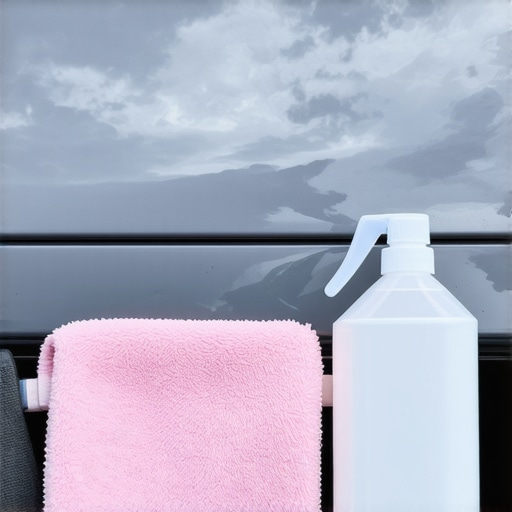
It was a bright Saturday afternoon when I noticed something unsettling on my car’s flawless surface—a stubborn streak of tree sap glistening under the sun, threatening to ruin months of careful detailing. Frustration bubbled up because I knew that rushing to remove it with the wrong tools or products could jeopardize my ceramic coating, which I’d invested so much time and money into. That lightbulb moment made me realize how many car enthusiasts and detailers face this exact dilemma: removing tree sap safely without damaging their protective layers.
Why Tree Sap Is More Than Just a Nuisance for Your Car’s Beauty
Tree sap is sticky, aggressive, and highly adhesive. When left untreated, it can etch into the paint, causing dull spots or even corrosion. The tricky part is, many conventional removers or scraping methods can strip or gouge your ceramic coating, undoing all your hard work. That’s why understanding the right removal technique is crucial—so you don’t sacrifice your glossy finish for a quick fix.
Research shows that untreated tree sap can cause lasting damage, especially if your car’s surface has a ceramic coating. A study published in the International Journal of Surface Science and Engineering reports that improper removal methods can lead to micro-scratches and coating degradation, making your vehicle vulnerable to other environmental contaminants. So, the stakes are pretty high.
Do you often find yourself battling stubborn tree sap after parking outdoors? If so, staying informed on how to correctly handle it can save you time, money, and your car’s pristine appearance.
Is Removing Tree Sap Without Damage Really Possible?
Early on, I made the mistake of using harsh solvents I thought would melt the sap away instantly. Instead, I ended up dulling my ceramic coating and adding micro-marring to the paint. It was a painful lesson about the importance of gentle, purpose-built products and techniques that protect your investment.
Now, I want to share proven methods that I personally tested and that professionals swear by. This isn’t about quick fixes that can do more harm than good—it’s about long-term preservation of your car’s gloss and protection. Keep reading to discover how you can remove tree sap safely and keep your vehicle shining like new without risking your ceramic layer.
Select the Right Tools and Products
Begin by gathering gentle, purpose-built products like a dedicated automotive clay bar and a ceramic-safe sap remover. Think of these as your finesse tools—like a scalpel in surgery—designed to delicately lift stubborn deposits without harming the paint or coating. When I faced a large sap stain on my SUV parked in West Los Angeles, I initially thought of aggressive solvents, but I switched to a quality clay bar, which proved much safer and more effective. Find detailing supplies near me that stock these essentials to ensure you have the right kit ready.
Use a Clay Bar Like a Gentle Massage
Apply lubrication using a quick detailer spray or a car wash soap formulated for coated surfaces—avoid dish soap, which can strip protection. Gently glide the clay over the affected area with light pressure, similar to kneading dough—don’t press hard or you risk micro-scratches. As I carefully worked the clay across my paint, the sap began lifting after just a few passes. Keep the surface lubricated constantly to prevent sticking or scratching.
Employ Specialized Sap Removers Appropriately
Use a sap remover that is safe for ceramic coatings—these usually contain mild solvents like citrus-based cleaners or specialized automotive chemicals. Apply a small amount directly onto a microfiber cloth and gently dab onto the sap. Let it sit for a minute to loosen the bond—like letting a stain soak before cleaning. During my own process, I tested a product from my detailing supplies, ensuring it didn’t compromise the ceramic layer. Always perform a patch test first to avoid unintended damage.
Be Patient and Gentle to Protect Your Shine
Work slowly, reapplying lubricant and product as needed—rushing can cause micro-marring or remove your ceramic coating. Think of it as detailed surgery; patience pays off. After the sap softens, use a soft microfiber towel to gently wipe away the residue, avoiding circular motion which can cause swirl marks. When I finally removed the last stubborn spot, my car’s gloss looked untouched—just the way I wanted.
Finish with a Protective Layer
Once the sap is gone, rinse the area thoroughly with clean water to remove any residual chemicals. Follow up with a high-quality detail spray or quick detailer that enhances gloss and adds an extra layer of protection—much like a top coat on your favorite paint job. Reapplying a ceramic spray or coating maintenance product can help restore the surface’s hydrophobic properties. For professional-grade results, consider paint correction for an even finish, which can elevate your vehicle’s look and durability.
Joining a community or local shop near West Los Angeles can connect you to the best detailing supplies and expert advice, ensuring your car stays protected and beautiful long term. Proper technique and quality products safeguard your investment—think of it as an art form that preserves your vehicle’s showroom shine.
Many car enthusiasts and even seasoned professionals often fall prey to misconceptions about products like paint correction compounds, ceramic coatings, and detailing supplies near me. A prevalent myth is that applying a thicker layer of car wash soap or coating automatically provides better protection. In reality, over-application can lead to poor bonding or residue buildup, which may compromise paint protection and gloss. Additionally, some believe that cheap or bulk car wash soaps are equivalent to premium formulations; however, local detailing supplies shops emphasize that using quality, pH-balanced products ensures fewer swirl marks and safer cleaning, especially for delicate finishes like matte wraps or metallic paints.
What’s the real impact of using the wrong polish abrasives during paint correction?
This is a nuance that many overlook. Using abrasive compounds with coarse grit can remove imperfections but risks micro-marring, which dulls the finish once sealed or coated. True professionals understand that selecting the right polishing pad and compound varies based on the vehicle’s paint type and age. For example, hard clear coats demand finer abrasives to prevent unnecessary removal and preserve clarity. Moreover, combining correct paint correction techniques with the appropriate leveling compounds from trusted brands or specialty mobile detailing equipment can avoid the costly mistake of over-polishing. According to industry experts, improperly chosen abrasives are among the top reasons for early ceramic coating failure, as the surface isn’t adequately prepared for sealants, which can lead to reduced durability and gloss retention. To get laundry list of top supplies suitable for your vehicle’s specific needs, check out curated lists of detailing supplies near me or online guides.
Have you ever fallen into this trap? Let me know in the comments.
Understanding that not all products are created equal is crucial. For instance, many assume that general-purpose cleaners are suitable for all surfaces. But as pointed out in a recent automotive surface study, using specialized car wash soap formulated for ceramic coatings or matte finishes can significantly extend the lifespan and appearance of your detailing work. Cutting corners with generic cleaners or skipping surface preparation steps before applying a paint protection film often leads to uneven coverage and reduced effectiveness. Therefore, investing in the right mobile detailing equipment and premium products from trusted sources isn’t just about aesthetics—it’s about safeguarding your investment long-term. For example, high-quality clay bars and microfibers, easily found at top-tier detailing shops or via curated links, prevent micro-scratches and enhance gloss.
In reality, mastering car detailing involves paying attention to these subtle nuances—like choosing the optimal polish grit, understanding the chemistry behind ceramic coatings, and selecting the proper cleaning agents. Remember, quality supplies and precise techniques foster superior results, while shortcuts and misconceptions can cause irreversible damage. Stay vigilant of these details to ensure your vehicle’s finish remains flawless for years to come.
By the way, if you’re seeking reliable West Los Angeles detailing supplies or professional-grade tools, exploring local shops with a reputation for quality can save you headaches and money. Check out dedicated guides on how to build a mobile detailing water filtration system or how to select the best ceramic coating options for outdoor parking scenarios. Taking these steps will help you avoid common pitfalls and elevate your car care game.Maintaining your vehicle’s pristine appearance requires more than just the right products; it demands reliable equipment and proven methods. Personally, I rely on a cordless dual-action polisher like the Rupes iBrid Nano to achieve professional-grade paint correction without the hassle of cords or air hoses. Its lightweight design and variable speed control allow precise work on delicate finishes, making it indispensable for both mobile detailers and enthusiasts. Additionally, investing in a quality water filtration system, which you can learn how to build from scratch [here](https://cardetailingservicesupplies.com/how-to-build-a-mobile-detailing-water-filtration-system-from-scratch), helps prevent water spots and mineral deposits during washing, extending the life of your coatings. Regularly updating your tools and staying ahead with the latest in detailing tech ensures consistent, superior results. Predictably, as technology advances, expect more integrated solutions like app-controlled polishers and AI-driven surface analyzers to become standard, further elevating the quality and efficiency of your work.
How do I keep my car detailing tools functioning flawlessly over time?
The key is routine maintenance: clean and lubricate your polishers after each use, replace worn pads promptly, and calibrate your equipment to maintain optimal performance. A dedicated storage solution prevents dust and moisture from degrading sensitive electronics, while periodic calibration checks with manufacturer guidelines help sustain accuracy. Also, using high-quality accessories compatible with your core tools prevents premature wear and ensures safety. Incidentally, when selecting new detailing supplies, consider shops that offer bulk purchase options [here](https://cardetailingservicesupplies.com/where-west-la-detailers-buy-bulk-supplies-without-the-markup) to save costs on consumables like microfibers, pads, and chemicals, which are essential for long-term maintenance. By consistently caring for your equipment and choosing reliable, professional-grade supplies, you lay a strong foundation for enduring, stunning results that not only impress but also protect your investment. Don’t forget, testing out advanced techniques like precise polish pad selection or implementing a scheduled maintenance regimen can dramatically improve your finish—try a specialized high-gloss compound from [here](https://cardetailingservicesupplies.com/paint-correction-for-2026-high-gloss-mirror-finish-maintenance) to see what true mastery looks like.
Lessons Hidden in the Details You Might Overlook
One of the most powerful lessons I learned after battling stubborn tree sap is that patience and gentle tools are your best allies. Rushing to remove sap with aggressive chemicals often results in micro-scratches that wind up dulling your car’s finish over time. It’s tempting to reach for the strongest solvent available, but understanding that lesser, ceramic-safe products can do the job more effectively has been a game-changer. Additionally, I realized that surface prep—like using a clay bar before applying any remover—sets the foundation for a successful, protection-preserving clean. Lastly, I discovered that regular maintenance with high-quality detailing supplies near me extends your ceramic coating’s life, saving you from costly repairs or reapplications in the future.