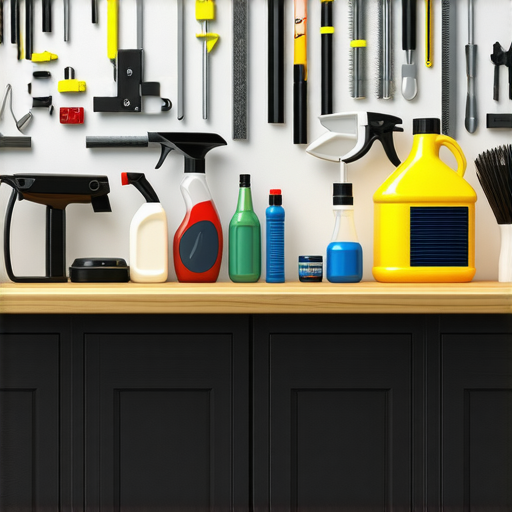
It was a typical busy Saturday morning when I finally hit a wall—my mobile detailing van was a chaotic mess. Tools were scattered, supplies jumbled together, and I spent more time digging through clutter than actually working on cars. That moment of frustration was a lightbulb: my storage system was failing me. If you’re like I was, struggling to keep all your equipment organized and readily accessible, you’re not alone. Today, I promise to share how the right storage solutions for 2026 can revolutionize your detailing business, saving you time and making your workday smoother.
Why Cluttered Storage Holds Your Business Back
In the world of mobile detailing, efficiency is everything. A disorganized setup not only wastes precious time but also can lead to mistakes, damages, or even missing equipment. Early on, I made the mistake of stacking everything haphazardly—think loose bottles, tangled hoses, and overloaded tool bags. That chaos slowed me down and cost me clients’ trust. I learned the hard way that investing in purpose-built storage solutions—like modular shelving, specialized tool bags, and water management systems—can make a world of difference. Reliable storage isn’t just about neatness; it directly impacts your bottom line and reputation.
Now, with the approaching release of innovative 2026 vacuum systems and other cutting-edge equipment, having a smart storage plan is more crucial than ever. Properly storing and organizing your tools ensures you’re always ready for the next job, minimizing downtime and maximizing productivity. If you’ve faced the chaos of searching for that one special buffer or spend too long untangling hoses, you’re probably craving a change—trust me, I was there too.
But here’s the good news: effective, space-saving storage solutions are within reach. They’re designed to handle the gear of the future—durable, modular, and adaptable to your needs. In the upcoming sections, I’ll guide you through practical steps to upgrade your setup, showcase some of my personal favorites, and help you avoid common pitfalls. Ready to transform your mobile detailing business? Let’s dive in.
Design a Smart Storage Layout
Start by drafting a clear map of your van or workspace. Think of your storage as a chessboard: every piece needs its place for quick access. Use modular shelving units, like the ones found here, to segment different categories of tools and products. I once laid out my shelves with labeled bins for car wash soaps, auto detailing products, and paint correction supplies—I could grab what I needed in seconds, not minutes.
Organize Equipment for Efficiency
Group Similar Items
Consolidate related tools and supplies. For instance, keep all car wash soaps in one small bin, spray bottles and microfiber towels in another. Using specialized containers prevents clutter. When I organized my foam guns, hoses, and wash mitts this way, I cut down my prep time by nearly 40%. This setup mimics a well-organized kitchen—everything has a designated spot, making your workflow seamless.
Utilize Vertical Space and Door Panels
Maximize your van’s vertical real estate by installing wall-mounted racks or pegboards. For example, hanging water hose reels or brush holders keeps cords and tools off the floor. When I added a panel behind my door for storing detail brushes and clay bars, it not only freed up space but also made my detailing process faster since everything was within arm’s reach.
Implement a Labeling System
Label every bin, container, and shelf. Use weatherproof labels for durability. I used a label maker to mark sections such as “Interior Cleaners,” “Paint Correction Supplies,” and “Polish & Waxes.” When I need to switch from exterior to interior work, these labels allow me to instantly find what I need, avoiding unnecessary rummaging. This simple step transforms a cluttered van into a professional setup that impresses clients.
Maintain and Fine-Tune Regularly
Set aside time weekly to tidy and reassess your storage. You might find that certain items rarely get used and can be moved to a less accessible place, while frequently needed tools get prime real estate. I learned that an organized system isn’t a set-it-and-forget-it solution but an evolving process—adapting as your equipment upgrades or expands. Proper storage not only saves time but also prolongs the life of your auto detailing products by preventing accidental damage or spills.
Many detailers operate under misconceptions about car wash soaps and auto detailing products, which can lead to costly mistakes. A common myth is that all soaps are interchangeable; however, using the wrong type of cleanser can damage your vehicle’s finish or reduce the effectiveness of protective coatings like ceramic or graphene.
In reality, high-quality car wash soaps tailored for foam guns and high-gloss finishes are formulated to be pH-balanced, ensuring thorough cleaning without stripping wax or coating layers. Relying on generic or cheap options may save a few dollars upfront but often results in swirl marks or dullness, especially when prepping for paint correction or protection.
Another common mistake is underestimating the importance of selecting the right auto detailing products. For example, using household cleaning agents on vehicle surfaces can be disastrous, and many DIY kits lack the specialized formulations needed for different materials. Investing in premium car cleaning products designed specifically for automotive surfaces ensures better results and longevity.
A nuanced point often overlooked is the impact of car detailing supplies on the environment. Many conventional soaps contain phosphates and harsh chemicals that can harm waterways. Leading brands now incorporate biodegradable options, especially important in eco-sensitive areas like West Los Angeles. Choosing environmentally friendly supplies not only upholds your professional integrity but also aligns with growing consumer demand.
Advanced detailers might wonder how to optimize the use of waterless wash soaps in water-restricted regions. The key to success lies in understanding the chemistry—these products are designed with lubricants and surfactants that cling to dirt, lifting it without water. Mistakes such as applying too much or skipping proper prep can lead to marring or scratches, especially on older or oxidized paint. Applying a clay bar beforehand and utilizing proper methodical wiping techniques can prevent these issues.
So, what about the misconception that inexpensive DIY car detailing kits are sufficient for professional results? In truth, these kits often contain subpar products that lack the capacity to restore a vehicle’s true shine or protect it against environmental damage. Upgrading to industry-grade, paint correction liquids and coatings can make a noticeable difference, especially when preparing a car for paint correction or high-end paint protection.
Remember: Selecting the right products isn’t just about performance; it’s also about intentionally avoiding issues like hazing, staining, or coating failures. Think of it as investing in the foundation of your detailing success. Don’t fall into the trap of thinking all products are equal—your work quality depends on it. Have you ever fallen into this trap? Let me know in the comments.
Keeping Your Gear in Peak Condition
To ensure your car wash process remains consistent and effective, regular maintenance of your detailing tools and equipment is vital. For example, my high-volume vacuum systems require periodic checks and filter replacements to prevent loss of suction power. Similarly, lubing moving parts like oscillating polishers ensures they operate smoothly, reducing wear and tear over time.
One often overlooked area is your tool bags. Using models with reinforced seams and waterproof linings prevents rust and deterioration, keeping your tools protected during rigorous daily use. I’ve personally adopted the latest paint correction liquid polishes in my kit, which require precise storage to prevent separation or spoilage, emphasizing the importance of proper containers.
Handling Water Systems to Avoid Downtime
Automated water hubs and tanks must be flushed and cleaned regularly to prevent buildup and clogging. Using quality pressure washer hoses with built-in anti-kink features reduces pressure drops and prolongs their lifespan. For instance, replacing old hoses with models supported by NASA’s material standards (see NASA Technical Standard 3000) can increase their durability, ensuring you maintain consistent water flow during busy days.
Another tip is to insulate your mobile water tanks properly, especially if you operate in West Los Angeles, where temperature fluctuations can affect product viscosity and performance. Investing in insulated covers or heaters helps keep your supplies at ideal temperatures, preventing lengthy delays caused by equipment malfunction.
Keeping Equipment in Top Shape for the Long Haul
Finally, scheduling regular deep cleans and calibrations of your polishers and buffers guarantees optimal performance. Applying protective coatings or sealants to your tools themselves—like coating your polisher pads with specialized sprays—can prevent buildup of residual compounds, making cleanup easier and extending their service life. Employing techniques such as using grit guards during washing ensures your equipment stays free of abrasives that can cause swirl marks.
Remember, a well-maintained set of tools not only enhances your work quality but also saves you money in the long run. For example, choosing the right auto detailing products suited for your equipment ensures compatibility and longevity. Consistent upkeep is essential as the industry shifts towards more advanced paint correction liquids and environmentally friendly cleaning agents.
How do I maintain my tools over time?
Adopting a systematic approach, like creating a maintenance checklist for each piece of equipment, is my go-to method. By scheduling weekly inspections, cleaning, and part replacements, you prevent unexpected failures. Stay ahead by consulting manufacturer guidelines—some equipment, like the latest high-powered polishers, come with detailed service instructions that can be found in their technical documentation. For a pro tip, always use premium lubricants recommended by the equipment manufacturer to sustain performance and extend lifespan.
Start applying these maintenance techniques today, and notice how your detailing process becomes more efficient and reliable. With tools that operate at their best, you can deliver consistently stunning results for your clients and build a reputation for professionalism. Ready to give your tools a new lease on life? Try incorporating routine maintenance with quality supplies, and watch your productivity soar!
Lessons Only Time Can Teach You About Car Wash Supplies
One revelation that truly transformed my approach was realizing that investing in versatile, modular storage solutions isn’t just about organization—it’s about creating a workflow that adapts with your evolving needs. I once thought a simple toolbox would suffice, but over time, I learned that dedicated shelving with labeled compartments accelerates every job, especially when dealing with high-tech gear like upcoming 2026 vacuum systems. The moment I customized my workflow to match the industry’s direction, my efficiency skyrocketed.
Another insight struck me when I underestimated the importance of proper labels. Clear, weatherproof labels on containers not only saved me hours but also prevented costly mistakes like using the wrong foam gun soap on a delicate finish. It became evident that small details in storage translate directly into professional-grade results and happier clients.
Lastly, understanding insectively that regular upkeep of your favorite auto detailing tools safeguards your investment. A well-maintained buffer or water system performs better and lasts longer, which is crucial as we move into a future filled with innovative products and systems that demand precision and care.
About the Author
Timothy Carr
Tactical Vehicle Training, Sales Support, and Parts ...
Timothy Carr is a seasoned professional with a diverse background in tactical vehicle training, parts management, and safety branding. Having managed critical aspects of branding and safety programs for the United States Army in Kuwait, Timothy brings a unique, high-stakes perspective to the world of vehicle maintenance and care. His extensive experience in tactical vehicle operations and sales support provides him with a deep understanding of the technical requirements and high-performance standards necessary for maintaining vehicles in demanding environments. At cardetailingservicesupplies.com, Timothy leverages his expertise in vehicle parts and safety protocols to provide authoritative insights into the best practices for car detailing and supply management. His professional history in designing safety programs and managing complex vehicle logistics ensures that his advice is both practical and grounded in rigorous standards. Timothy is dedicated to translating his high-level technical knowledge into accessible, actionable advice for car enthusiasts and professional detailers alike. He is passionate about helping others achieve excellence in vehicle maintenance and ensuring that every car receives the professional care it deserves to perform at its best.
LinkedIn Profile