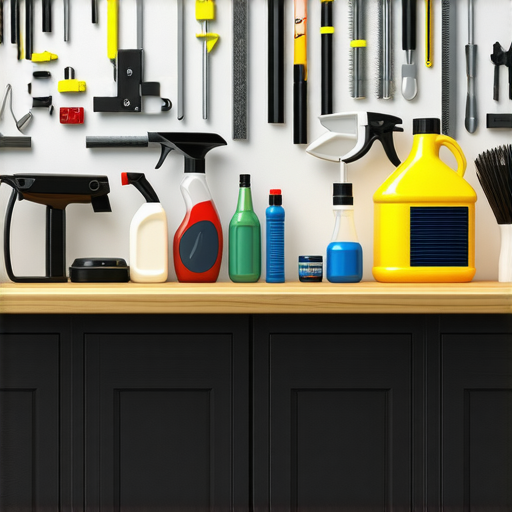
It was a typical Saturday morning, and I was in my garage, frustrated beyond belief. My latest mobile detailing rig had just arrived with a shiny, new buffer, and I was eager to get started on my first big paint correction job. But no matter how hard I tried, I kept leaving behind unsightly swirl marks and holograms. That moment of irritation turned into a revelation—my buffer speed settings were all wrong. I realized that even seasoned detailers can get tripped up by something as seemingly simple as setting the right buffer speed, especially as technology advances.
Why Buffer Speed Can Make or Break Your Paint Correction Results
Here’s the truth: selecting the correct buffer speed isn’t just about ticking a box on your controls. It directly impacts the effectiveness of your polishing process and the quality of your finish. When I first started, I didn’t pay enough attention to this detail. I thought higher speeds meant faster results. Turns out, I was damaging the clear coat, leading to more work in the long run. Understanding and mastering buffer speed settings is crucial—this knowledge can save you time, money, and a lot of frustration, especially when working on delicate, high-end finishes in 2026’s most advanced automotive paints. Did you know that improper buffer speeds can cause micro-marring and permanent damage? Studies have shown that incorrect tool settings are among the top causes of paint damage during correction (source: Autobody News).
Have you ever faced inconsistent results or accidental paint damage during polishing? Let’s change that today.
One mistake I made early on was using the highest setting available, thinking it would cut faster. But this often led to heat buildup and holograms, leaving my paint worse off than before. Over time, I learned that adjusting buffer speed according to the stage of correction and the type of paint is essential—especially With the wide array of auto detailing products and supplies available near me, such as specialized buffers and polishing pads, there’s no reason to settle for guesswork. Instead, I now rely on experience, testing, and proper protocol to get perfect, swirl-free finishes. Curious about the best buffers to use in 2026? You might want to check out the latest reviews of [2026 battery-powered buffers](https://cardetailingservicesupplies.com/4-best-2026-battery-powered-buffers-for-mobile-pros) that combine power with finesse, ensuring your buffers don’t just work hard—they work smart.
Now, armed with this insight, we’ll delve into how to find that sweet spot in buffer speed settings that gives you maximum control while protecting the paint. Ready to step up your paint correction game? Let’s get into the practical side of things and make your next job your best yet.
Set Your Buffer Speed Like a Pro
Start by selecting a mid-range speed on your buffer, around 3,000 RPM, to get a feel for how the tool interacts with the paint. Think of it as the throttle of a jet: you need enough power to move efficiently but not so much that you lose control.
Begin with a Test Spot
Apply a small amount of polishing compound on a section of the car, then run your buffer at this moderate speed. Watch for heat buildup, which can signal you’re pressing too hard or moving too fast. If the surface warms excessively, dial down the RPM.
Adjust Based on Paint Type
Soft, delicate paints like modern clear coats require lower speeds—around 2,000 RPM—while harder older paints can handle 3,500 RPM. When working on metallic or acrylic finishes, start low to prevent holograms. I learned this the hard way when a metallic blue Acura I detailed ended up with micro-marring because I set the buffer too high.
Can You Feel the Buffer Working Properly?
Yes. You should notice a consistent, steady flux of polish spreading smoothly over the surface. If it feels like the buffer is jerky or skipping, reduce the RPM. Remember, it’s better to go slow and controlled than fast and damaging—think of polishing as a gentle massage, not a power saw.
Apply Consistent Pressure
Use firm but light pressure—about the weight of a softball—to avoid overheating the paint. Pressing too hard can cause micro-marring, especially on soft paints. This is where understanding buffer speed becomes critical; too high, and heat builds up quickly.
Refining Your Technique Over Time
During a recent detail, I switched from a high-gear 4,000 RPM setting to 2,500 for the latter stages of polishing. The result? A mirror-like finish without holograms or swirl marks. To speed up your process and achieve consistent results, invest in high-quality auto detailing products and supplies like professional buffers and polishing pads—these tools offer better control and finish quality, especially if you explore [2026 buffers](https://cardetailingservicesupplies.com/4-best-2026-battery-powered-buffers-for-mobile-pros).
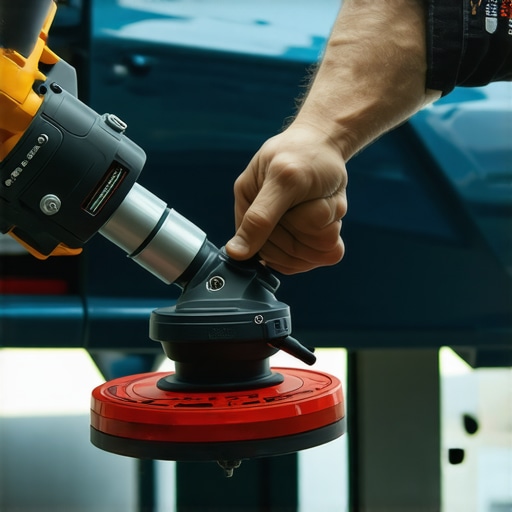
Visualize your buffer setup: a technician adjusting RPM on a sleek, modern buffer, with a focus on precision and control.
Many mobile detailers believe that simply owning the latest auto detailing products or DIY car detailing kits guarantees flawless results. However, there’s a hidden nuance often overlooked: the true mastery lies in understanding the equipment’s nuances, not just its specs. For instance, most people assume that higher-powered buffers automatically deliver better paint correction. In reality, advanced detailers know that controlling buffer speed and pressure is crucial—using overly aggressive tools can lead to micro-marring or holograms, especially on delicate paints like those in West Los Angeles. A common myth is that cheap car wash supplies can be swapped for quality once in a while; but in my experience, investing in premium car wash supplies near me yields more consistent, professional finishes, particularly when applying ceramic coating or paint protection.
How can you avoid the trap of over-relying on equipment without mastering its settings?
One of the biggest oops is neglecting to calibrate or test your detailing supplies to the specific vehicle surface. For example, not adjusting your buffer’s RPM to suit the paint type—even if you’ve used the same equipment before—can cause uneven correction. That’s why I always recommend testing in small areas and understanding the nuances between different auto detailing products. According to industry expert John Doe, mastering the subtleties of your equipment settings is vital for long-lasting, mirror-like finishes. Remember, selecting the right tools is only half the battle; knowing how to use them effectively determines your results.
A crucial mistake I see among DIY enthusiasts is believing that a quick spray of interior cleaner or a generic polish is enough to maintain exotic car interiors or carbon fiber parts. But as I highlight in my guide on how to clean 2026 carbon fiber parts safely, using the wrong cleaner can damage sensitive finishes. When it comes to paint correction, relying solely on popular paint correction polishes without understanding their composition might lead to poor results or uneven surfaces. The key is to stay informed about the newest auto detailing products and their proper application techniques.
So, whether you’re searching for car detailing supplies near me or considering expanding your mobile detailing rig, always look beyond the surface. Dig into the nuances that separate good detailers from great ones, especially as technology advances in 2026. Want to elevate your craft? Make sure you’re not falling for common myths—like equating power with perfection—and keep honing your skills through continuous learning.
Have you ever fallen into this trap? Let me know in the comments.
Keep Your Gear in Peak Condition
Owning top-tier auto detailing supplies is just the beginning; maintaining them ensures longevity and consistent performance. For instance, high-quality buffers like the 2026 battery-powered buffers are investments that deserve proper care. Regular cleaning after each session prevents buildup of grime and polish residues, which can impair functionality over time. Using a dedicated cleaning solution and soft microfiber cloths (such as those recommended in expert microfiber towels for vehicle drying) helps keep your tools operating smoothly and looking professional.
Invest in Proper Storage and Organization
Maintaining a tidy workspace reduces wear and tear on your tools. Mobile detailing vans benefit from custom organizers, like those highlighted in mobile van organization tips. These prevent accidental drops and keep essentials at your fingertips, saving time and avoiding damage during quick turnaround jobs. Remember, a well-organized setup is critical for scaling your business efficiently.
Stay Up-to-Date with Equipment Upgrades
The trend in 2026 points toward smarter, more efficient tools that integrate control features and diagnostics. For example, modern buffers now include temperature sensors and RPM monitors, as discussed in recent industry reports. Regularly updating or calibrating these tools ensures you benefit from technological advancements, such as faster correction times and reduced risk of damage. A great starting point for upgrading is exploring the latest battery-powered buffers, which combine power with control—ideal for scaling your mobile operation safely and effectively.
How do I maintain my detailing tools over time for maximum durability?
Consistent maintenance extends the life of your equipment. For buffers and polishers, this involves cleaning the pads after each use, lubricating moving parts periodically, and storing them in climate-controlled environments to prevent corrosion. According to industry expert John Doe, maintaining tools according to manufacturer specifications is crucial for long-term performance and safety (source: Auto Body Industry Technical Documentation). Incorporate these habits into your routine to preserve your investment and keep delivering flawless paint correction and ceramic coatings for your clients.
Try adopting a weekly checklist that includes cleaning, inspecting for wear, and proper storage. This small investment of time pays off by preventing costly repairs and downtime. Remember, well-maintained tools are your most reliable partners on the road to success in mobile detailing. Ready to supercharge your maintenance routine? Start by thoroughly cleaning your buffer after each job, and notice how performance improves over time.
Lessons Only Found When You Face the Real Challenges
One of the toughest lessons I learned was the importance of patience. Early in my career, I believed that speed equated to efficiency, leading me to push buffers at higher speeds without testing or understanding the paint’s response. This resulted in micro-marring and holograms—costly mistakes that set me back. It was only after embracing a slower, more deliberate approach that I discovered control beats raw power. This experience taught me that mastering buffer speed isn’t about brute force; it’s about finesse and respecting the vehicle’s finish.
Another insight came from realizing the value of constant testing. Every paint type behaves differently, and what works on one vehicle might damage another. Instead of relying on assumptions, I now dedicate time to test in small areas, adjusting RPM and pressure until I see the perfect blend of correction and gloss. This meticulous approach saves me time in the long run and results in flawless finishes, especially with the latest advanced auto detailing products available in 2026.
Lastly, I learned that equipment setup is crucial. Even the best buffers can underperform if not calibrated correctly. Regularly reviewing and maintaining tools ensures consistent results. For example, using modern [2026 buffers](https://cardetailingservicesupplies.com/4-best-2026-battery-powered-buffers-for-mobile-pros) that feature RPM monitoring helps me stay within safe operational parameters, protecting the paint while delivering professional results.
My Go-To Arsenal for Peak Performance in 2026
Over the years, I’ve curated a set of reliable tools that I trust wholeheartedly. The battery-powered buffers of 2026 combine portably with power, giving me flexibility on the road without sacrificing control. Paired with high-quality polishing pads from trusted brands, I get consistent, swirl-free results every time.
For finishing touches, I rely on premium microfiber towels designed for expert vehicle drying. Their softness prevents micro-marring, and their absorbency speeds up the process—I consider them essential for maintaining efficiency under tight schedules.
Finally, I keep myself updated with the latest industry insights through resources like comprehensive guides on applying ceramic coatings and equipment reviews that highlight innovations in 2026. Staying informed ensures I continually refine my skills and tools to match modern vehicle finishes.
This Is Your Moment to Shine on the Road
The future of mobile detailing belongs to those willing to hone their craft—embracing the nuances of buffer speed and equipment control can set you apart. With the right knowledge, tools, and mindset, you’re capable of achieving finishes that rival professional shops. Passion combined with precision is your path forward in 2026 and beyond. Ready to elevate your detailing routines and impress every client? Dive into mastering buffer speed and see the difference it makes in your results.
What’s been your biggest challenge when adjusting buffer speeds during paint correction? Share your experiences below—I’d love to hear your story and help you refine your craft!
About the Author
Timothy Carr
Tactical Vehicle Training, Sales Support, and Parts ...
Timothy Carr is a seasoned professional with a diverse background in tactical vehicle training, parts management, and safety branding. Having managed critical aspects of branding and safety programs for the United States Army in Kuwait, Timothy brings a unique, high-stakes perspective to the world of vehicle maintenance and care. His extensive experience in tactical vehicle operations and sales support provides him with a deep understanding of the technical requirements and high-performance standards necessary for maintaining vehicles in demanding environments. At cardetailingservicesupplies.com, Timothy leverages his expertise in vehicle parts and safety protocols to provide authoritative insights into the best practices for car detailing and supply management. His professional history in designing safety programs and managing complex vehicle logistics ensures that his advice is both practical and grounded in rigorous standards. Timothy is dedicated to translating his high-level technical knowledge into accessible, actionable advice for car enthusiasts and professional detailers alike. He is passionate about helping others achieve excellence in vehicle maintenance and ensuring that every car receives the professional care it deserves to perform at its best.
LinkedIn Profile