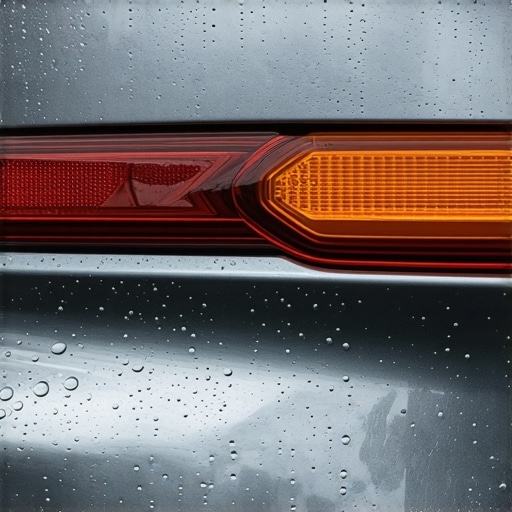
It was a bright Saturday morning when I realized my latest attempt at applying a ceramic coating had turned into an embarrassing ordeal. The coating looked perfect right after, glossy and slick to the touch, but within weeks, an ugly cloud of micro-scratches and water spots started to appear like uninvited guests at a party. I couldn’t figure out what went wrong—was my process flawed or was the coating just unreliable? If you’ve faced a similar disappointment, you’re not alone.
Uncovering the Real Reasons Why Ceramic Coatings Sometimes Fail Prematurely
Many car enthusiasts and professionals encounter this frustrating phenomenon—your ceramic coating promised durability, but after just a month, it’s gone, leaving your paint vulnerable once again. The truth is, most failures aren’t due to the coating itself but often stem from improper application, mistaken prep, or neglecting essential maintenance routines. The good news? Once you understand the root causes, you can drastically improve your results and keep that shiny finish lasting much longer.
Is Ceramic Coating Really Worth the Hype?
I used to think that just slapping on a coat and waiting a few hours would do the trick. That’s a mistake I made early on—assuming that more coating meant better protection. Instead, I learned that surface preparation is everything. Skipping proper cleaning and paint correction, or using the wrong car wash soap, quickly undermines the coating’s bonds. In fact, a study by Car Magazine highlighted that even tiny contaminants can cause coating failure if not properly removed.
If you’ve been wondering whether ceramic coatings are just a hype or actually effective, I encourage you to explore the facts. The key is understanding what goes wrong early on so you can avoid those pitfalls. For instance, I once applied a coating on a newly polished car without addressing water spots or residual oils, only to watch it fail prematurely. That mistake taught me the importance of dedicated prep work.
So, if you’re tired of investing time and money into coatings that don’t deliver, stay tuned. Next, I’ll walk you through the simple but often overlooked steps that can make the difference between a coating that fails and one that protects your vehicle for years.
Prep Your Vehicle Like a Pro
Start with a thorough wash using a pH-neutral soap that’s safe for modern paint and decals. Think of it as giving your car a shower before applying sunscreen—cleanliness ensures better bond strength. Pay special attention to areas prone to contamination, like crevices and seams, and use a soft, microfiber wash mitt to prevent new scratches. For optimal results, avoid drying with harsh towels; instead, towel-dry with a plush microfiber towel to minimize micro-marring.
Get Ready for Paint Correction
If your vehicle has swirl marks or water spots, addressing these before coating is crucial. Use a high-quality polishing compound and a dual-action polisher similar to a power drill, but designed for paint—it’s like buffing a guitar for a perfect shine. Applying too much pressure can remove clear coat, so finesse matters. For DIYers, consider a dedicated paint correction kit that includes pads and compounds recommended for your car’s paint type. For example, metallic or clear coat finishes require different approaches. Learning how to properly correct paint will ensure a smooth, defect-free surface, which is essential for coating adhesion and durability. Check out professional paint correction tips to elevate your skills.
Apply the Coating with Precision
Station yourself in a shaded, dust-free environment, and work with microfiber applicator pads that are slightly dampened with your ceramic coating. Think of the coating as a liquid condom for your paint—spread thinly and evenly to avoid high spots or streaks. Use cross-hatch strokes—vertical then horizontal—to achieve uniform coverage. Work section by section, typically 2′ x 2′, enabling you to level the coating before it cures. Use a clean, microfibre towel to gently buff the residue within the manufacturer’s recommended time, usually a few minutes, but this depends on the product. Patience is key—rushing this step invites issues like high spots or bonding failures. I recall a time I applied coating on a sunny day and had to redo parts because I didn’t allow enough curing time; the ugly patches made me realize even slight environmental issues matter.
Master the Curing Process
Allow your coating to cure properly by keeping your vehicle out of rain, direct sunlight, or extreme temperatures for at least 24 hours—think of it as letting paint dry in optimal conditions. Some coatings benefit from an additional layer or a final wipe to remove any remaining residues, so consult your product instructions. During this phase, avoid washing or touching the surface to prevent marring or contamination. If you want to extend the coating’s lifespan, consider applying a maintenance coating every few months, akin to topping off a tank before a long trip. Regular maintenance using the right supplies, like a gentle wash or water spot remover, guarantees longevity. I can’t stress enough how neglecting this step led to micro-surfaces breaking down early in my first attempts. For maintenance routines, explore best car wash supplies that won’t compromise your coating’s integrity.While many believe that owning the latest detailing gadgets guarantees professional results, the real mastery lies in understanding the subtle nuances that define effective application and durability. For instance, many assume that inexpensive car wash soap suffices, but in reality, using harsh or incompatible formulas can strip or weaken your ceramic coating, vastly reducing its lifespan. A common myth is that all detailing supplies are interchangeable; however, products like specific paint correction compounds or dedicated ceramic coatings require precise compatibility to achieve optimal results.
What Advanced Knowledge Sets Expert Detailers Apart from Hobbyists?
Experts emphasize the importance of environmental conditions during application. For example, applying ceramic coating in high humidity or extreme temperatures can cause curing issues, leading to micro-scratches or water spots that diminish the gloss and protective qualities. Studies have shown that controlled curing environments can boost coating longevity by up to 30%. Additionally, many overlook the importance of professional-grade tools; using subpar microfiber applicators or failing to properly prep the surface introduces micro-abrasions, undermining the entire process. When selecting detailing supplies near me or in West Los Angeles, opting for manufacturer-recommended items becomes pivotal, as not all shop-grade products meet the stringent standards necessary for modern paint protection. Some DIY kits, for example, contain fillers or low-quality compounds that only mask imperfections temporarily, risking long-term damage. Remember, investing in quality and understanding the science behind these products can save you costly reapplications and paint corrections later. For in-depth insights on perfecting your procedures, explore paint correction techniques tailored for high-gloss finishes. Recognize that achieving professional results isn’t just about tools; it’s about applying comprehensive knowledge that guides each step, from surface prep to coating cure. Have you ever fallen into this trap? Let me know in the comments.
To keep your vehicle looking pristine over time, investing in quality equipment and establishing a consistent maintenance routine is key. One tool I personally swear by is a dual-action polisher with variable speed control. It provides the finesse needed for delicate paint correction and the power for removing surface defects efficiently. My go-to model is the Porter-Cable 7424XP because of its reliability and smooth operation, which reduces the risk of micro-marring during detail work. When paired with the right polishing pads and compounds, it helps achieve that professional mirror shine without breaking the bank.
Beyond polishing tools, a high-quality, dedicated water spot remover is indispensable. Water spots can mar your finish and compromise ceramic coatings if not addressed promptly. I recommend using a product with acid-free formula designed for automotive use, such as CarPro Spotless, to safely and effectively dissolve mineral deposits. Regular use of such tools prevents build-up and extends the lifespan of your ceramic coating or paint protection film. For maintenance washes, I opt for a pH-neutral car wash soap, which is gentle enough to preserve your coatings and prevent stripping, as discussed in this guide on car wash soaps.
How do I maintain my detailing tools over time?
Properly maintaining your equipment ensures their longevity and consistent performance. After each use, clean your polisher with a soft cloth to remove residues, and inspect the power cord and brushes for wear. Store your buffs and applicators in a dedicated, dust-free container, avoiding damp environments that can cause mold or corrosion. For my DA polisher, I regularly apply a small amount of lubricant to the bearings to keep them spinning smoothly. Using a compressor or compressed air to blow out dust from your detailing brushes and pads also helps maintain peak performance. Over time, this routine minimizes breakdowns and keeps your tools ready for every detailing session. As noted by professional detailers, investing in quality tools and caring for them is as crucial as selecting the right products for your vehicle.
Looking to upgrade your shop or mobile setup? Consider cordless, portable tools like the new 3-cordless mobile detailing tools for 2026, which offer maneuverability without sacrificing power. These tools streamline workflows, cut down on setup time, and make on-the-go detailing more efficient. To ensure your investments stay functional and effective, regular maintenance and cleaning of batteries and chargers are essential. Discover more about this trend in our coverage of cordless tools.
What I Didn’t Know When I Started That Could Save Your Finish
One of the most valuable lessons I’ve learned is that meticulous surface preparation is non-negotiable. Skipping steps like proper wash and paint correction can sabotage months of effort, leading to micro-scratches that catch water spots and reduce gloss. Also, environment matters—applying coatings in humid or hot conditions can cause curing issues, which even professional detailers fight to avoid. Lastly, investing in quality tools and maintenance routines for your detailing gear may seem costly initially, but they pay off by ensuring consistent, professional-level results that last years, not weeks.
Unearthing the Gems in My Detailing Arsenal
For anyone serious about achieving a high-gloss, durable finish, I recommend these tools and resources: First, the professional paint correction kit equipped with the right pads and compounds—it’s the backbone of a flawless surface. Second, the local supplies shop I trust near West Los Angeles—quality products consistently make the difference. Third, understanding the science behind proper coating application helps prevent costly mistakes, so diving into dedicated guides or courses can truly elevate your skills. Finally, my secret weapon is the at-home paint correction process that brings professional results without the high shop prices.
Take Action and Elevate Your Vehicle Care
There’s a special satisfaction in knowing your vehicle looks its best because of your own effort. Whether you’re starting fresh with a new ceramic coating or refining your existing routine, remember that patience, proper tools, and quality products are your best allies. I challenge you to revisit your prep and application processes—small tweaks can lead to longer-lasting, stunning results. Take that first step today, and watch your vehicle transform into a mirror-like masterpiece that turns heads wherever you go. Ready to level up your car care game? Share your biggest challenge below, and let’s conquer it together!
About the Author
Timothy Carr
Tactical Vehicle Training, Sales Support, and Parts ...
Timothy Carr is a seasoned professional with a diverse background in tactical vehicle training, parts management, and safety branding. Having managed critical aspects of branding and safety programs for the United States Army in Kuwait, Timothy brings a unique, high-stakes perspective to the world of vehicle maintenance and care. His extensive experience in tactical vehicle operations and sales support provides him with a deep understanding of the technical requirements and high-performance standards necessary for maintaining vehicles in demanding environments. At cardetailingservicesupplies.com, Timothy leverages his expertise in vehicle parts and safety protocols to provide authoritative insights into the best practices for car detailing and supply management. His professional history in designing safety programs and managing complex vehicle logistics ensures that his advice is both practical and grounded in rigorous standards. Timothy is dedicated to translating his high-level technical knowledge into accessible, actionable advice for car enthusiasts and professional detailers alike. He is passionate about helping others achieve excellence in vehicle maintenance and ensuring that every car receives the professional care it deserves to perform at its best.
LinkedIn Profile