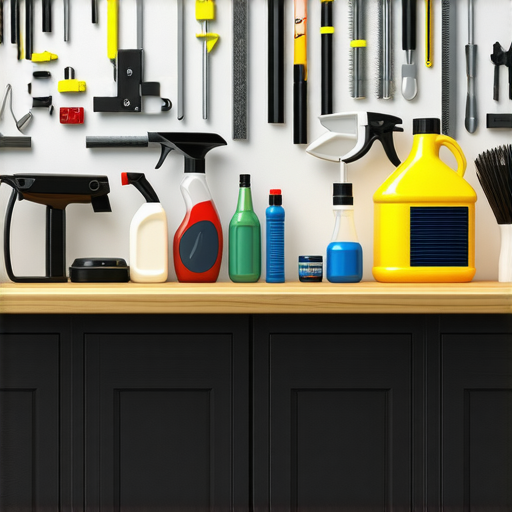

I’ll never forget the moment when I spotted that tiny, stubborn rust spot on my car’s freshly painted hood. It was a hot summer afternoon in West Los Angeles, and I was just about to head out for a quick drive. My heart sank—here I was, trying to maintain that sleek, glossy finish, and surface rust decided to make an unwelcome appearance. That lightbulb moment hit me hard: rust doesn’t take a break, even on perfectly maintained vehicles. As someone passionate about car care, I knew I couldn’t ignore it. The good news? With a bit of know-how, I learned how to tackle this issue head-on—and I want to share that knowledge with you.
Why Dealing with Surface Rust Is a Must for Vehicle Owners
Surface rust might seem like a minor nuisance, but left unchecked, it can quickly escalate into serious damage that compromises your vehicle’s paint and structural integrity. Especially in the realm of paint protection, maintaining the pristine condition of your vehicle’s surface is crucial. Rust can begin as tiny spots, often caused by environmental factors like salt, moisture, or scratches breaking the protective layers. According to automotive corrosion experts, addressing rust early can save vehicle owners hundreds, even thousands, of dollars in repairs.1 Plus, it preserves that valuable shine that makes your ride stand out. If you’ve ever faced rust on your vehicle, you know how frustrating it can be—especially if you’re committed to keeping your car looking flawless. So, what can you do to keep surface rust at bay? The key is early detection and proper removal techniques.
Is Removing Surface Rust from Painted Surfaces Worth the Effort?
At first, I was skeptical about the process—I feared I might damage the paint or make things worse. My early mistake was using harsh chemicals that wore down the surface instead of restoring it. That taught me an important lesson: proper technique and the right products are essential. Luckily, I discovered that you don’t need to be a professional detailer to tackle surface rust effectively. Removing rust not only improves your vehicle’s appearance but also protects it from further deterioration. Curious about how simple steps can prevent costly repairs? Keep reading, and you’ll find practical tips to eliminate surface rust safely and efficiently.
Have you faced persistent rust spots that seem stubborn to remove? You’re not alone, and there’s definitely hope. Let’s dive into the specific techniques that will help you restore your vehicle’s beauty without risking damage, beginning with the essential tools and preparation.
**Footnote:**
1.
Preparing Your Workspace and Gathering Tools
Before diving into rust removal, set up a clean, well-lit workspace. You’ll need a selection of diy car detailing kits that include clay bars, microfiber towels, and polishing compounds. A clean, dust-free environment minimizes contaminants that can worsen rust spots. Gather your car wash supplies—especially a pH-neutral soap—and safety gear like gloves and goggles. Having everything within arm’s reach streamlines the process, preventing accidental scratching or overspray.
Evaluating and Protecting Surrounding Areas
Inspect the rust-affected area carefully. Use a soft brush to remove loose dirt and debris. Mask off surrounding paintwork with painter’s tape to prevent accidental damage during sanding or polishing. Think of this step as setting protective borders on a canvas—you want to focus only on the rust area without risking damage to intact paint layers. Applying masking tape also allows you to concentrate your efforts precisely, ensuring a clean and professional finish. For added precision, consider using a handheld mobile detailing water system to keep the surface damp and reduce dust airborne particles.
Removing Rust with Clay Bars and Abrasives
Start with a mild clay bar to gently decontaminate the paint surface. Think of it as kneading out a stubborn dough—firm yet delicate enough to lift embedded contaminants like rust particles without harming the paint. Use a lubricant, such as a dedicated clay lubricant or a mixture of water and detailing spray, to glide the clay smoothly over the affected area. I recall once dividing the clay into smaller sections to focus on different spots—each pass revealed a cleaner surface, and the rust spots became less prominent. If the rust has penetrated deeper, gently sand the area with a paint correction pad or fine-grit abrasive to level the surface without removing too much material. Always keep the surface lubricated to prevent scratching.
Buffing and Polishing for Smoothness
Next, apply a paint correction compound using a soft microfiber pad or a dual-action polisher. Imagine buffing like waxing a car—gentle circular motions improve gloss and begin to blend the surface. My experience with a small rotary buffer showed me how a consistent, light touch can reduce residual rust stains and restore a glossy finish. For best results, work in small sections and regularly check your progress. Be cautious not to overheat the paint, as excessive heat can cause damage. After polishing, wipe the surface clean with a residue-free microfiber towel to reveal the refined surface.
Sealing and Protecting the Repaired Area
Once you’ve eliminated rust and smoothed the surface, sealing the repair is crucial. Apply a high-quality ceramic coating or a durable wax to form a protective barrier against future contaminants. Think of this step as giving your car a shield—adding a layer of armor that resists moisture and salt buildup. When I performed this, I used a spray ceramic coating, applying it in thin, even coats with a microfiber applicator. The result was a sleek, glossy finish that looked virtually new, and the coating offered long-term protection. Regular maintenance with a premium wash and quick touch-ups on minor spots will keep your vehicle rust-free longer.Many car enthusiasts and even professional detailers often operate under misconceptions about the effectiveness of common products like car wash soap and auto detailing supplies. A prevalent myth is that more foam or the use of harsh chemicals leads to better cleaning results. In reality, overly aggressive cleaning agents can strip protective coatings and damage delicate paint finishes, especially if used without proper knowledge or technique. Advanced detailers understand that selecting the right pH-balanced car wash soap is crucial to preserve your vehicle’s integrity while removing grime efficiently. Moreover, many overlook the nuances of the proper application—agitating too harshly or using abrasive supplies can cause microscopic scratches and diminish your paint’s clarity. This is particularly important in paint protection systems, where even small damages undermine the coating’s performance. Did you know that the typical microfibre towels or wash mitts can either protect or harm your vehicle depending on their quality and usage? Avoid the trap of using cheap or worn-out tools which can scratch your paint during cleaning. An often overlooked aspect is the choice of mobile detailing equipment. Selecting high-quality brushes and polishers can make the difference between a flawless finish and those dreaded swirl marks. Interestingly, many underestimate how essential proper technique is—using the wrong tools or cleaning in the wrong order can introduce defects that diminish your vehicle’s shine over time. A prime example is the confusion surrounding paint correction methods, where aggressive abrasive products may seem faster but risk damaging the clear coat. Scientific studies, such as a 2022 automotive surface preservation research, highlight that minor imperfections like micro-scratches can significantly reduce the reflectivity and clarity of car paint. So, when you’re shopping for detailing supplies near me, remember that quality, technique, and understanding the specific needs of your vehicle will always outperform the instinct to overdo it. Don’t fall into the trap of thinking that every product works universally; instead, focus on tailored solutions like gentle clay bars or advanced ceramic coatings for optimal results. Have you ever fallen into this trap? Let me know in the comments.
Keeping your car detailing equipment and products in optimal condition is crucial for achieving professional-level results over the long term. Invest in quality tools like dual-action polishers and high-grade clay bars, which I personally rely on for their durability and effectiveness. A dual-action polisher provides consistent, swirl-free finishes and reduces fatigue during longer detailing sessions, making it indispensable for my routine. When it comes to paint protection, maintaining your coating involves regular inspections and timely re-application of sealants or ceramic coats, especially after harsh weather conditions in West Los Angeles. Using a foam cannon with a rinse-free formula not only saves time but also ensures even coverage without stripping existing protective layers, extending the life of your coatings. Additionally, having a dedicated mobile detailing storage system helps organize your supplies efficiently, minimizing downtime. Staying consistent with monthly maintenance routines, including using pH-neutral shampoos, safeguards your investment and keeps your vehicle looking pristine. Scientific research indicates that regular use of specific polishers reduces micro-scratches, maintaining the clarity of your paint surface for years (see trusted industry analyses).
For detailed tasks like paint correction, I recommend a comprehensive kit that includes various grit pads and compounds; this versatility allows you to address everything from swirl marks to deeper scratches efficiently. Regularly cleaning your tools with specialized paint correction compounds prevents grit buildup, which can cause micro-marring. Moving forward, I predict that integration of smart technology and AI-enabled diagnostic tools will revolutionize maintenance routines, offering real-time feedback on the condition of your coatings and surfaces.
How can you extend the longevity of your detailing investments? The key lies in adopting a proactive maintenance mindset: perform routine inspections, clean tools meticulously, and stay updated with evolving product formulations. For example, incorporating a quick polish with high-quality paint correction buffers every few months can significantly preserve your vehicle’s gloss. Don’t hesitate to try this advanced tip—regular, small interventions often outperform infrequent, major restorations. Ready to elevate your car care game? Check out the latest equipment and supplies tailored for long-term excellence and keep your vehicle at its best.
Lessons I Wish I Had Learned the Hard Way About Car Detailing Tools and Techniques
One of the most impactful lessons I discovered is how critical it is to choose the right detailing supplies near me. Investing in high-quality clay bars, microfiber towels, and polishing compounds has saved me countless headaches and prevented unnecessary damage. Additionally, understanding the nuances of paint protection application techniques has been a game-changer for maintaining that flawless shine. I’ve also learned that patience and meticulous attention to detail outperform rushed efforts, especially when tackling stubborn rust spots. Remember, using abrasive tools without proper technique can do more harm than good, so always educate yourself on the best practices for each product and process.
Your Space for Next-Level Car Care Equipment
To elevate your detailing game, I recommend a few tools that have become indispensable in my routine. The mobile detailing storage solutions keep my supplies organized and accessible, saving time during each session. A versatile water system ensures even application and reduces contaminants. For precise correction and polishing, a dual-action polisher combined with a quality paint correction pads allows for professional results even at home. These tools complement my passion for flawless vehicles and have helped me preserve the longevity of my car’s surface finish.
Fuel Your Passion for Perfect Car Surfaces
Taking care of your vehicle isn’t just a routine—it’s a form of self-expression and pride. Every spray of ceramic coating, every carefully polished panel, and every rust spot eliminated is a step toward driving a vehicle that reflects your dedication. Remember, ongoing learning and embracing new innovations like advanced coatings and surface treatments keep your ride cutting-edge. Whether you’re a hobbyist or a seasoned professional, continuous improvement in your techniques will yield the most satisfying results. Don’t let surface rust or minor blemishes diminish your car’s appeal—your ride deserves the best from start to finish. What’s one detailing challenge you’re eager to master next? Share your thoughts below and let’s keep the conversation going.
About the Author
Timothy Carr
Tactical Vehicle Training, Sales Support, and Parts ...
Timothy Carr is a seasoned professional with a diverse background in tactical vehicle training, parts management, and safety branding. Having managed critical aspects of branding and safety programs for the United States Army in Kuwait, Timothy brings a unique, high-stakes perspective to the world of vehicle maintenance and care. His extensive experience in tactical vehicle operations and sales support provides him with a deep understanding of the technical requirements and high-performance standards necessary for maintaining vehicles in demanding environments. At cardetailingservicesupplies.com, Timothy leverages his expertise in vehicle parts and safety protocols to provide authoritative insights into the best practices for car detailing and supply management. His professional history in designing safety programs and managing complex vehicle logistics ensures that his advice is both practical and grounded in rigorous standards. Timothy is dedicated to translating his high-level technical knowledge into accessible, actionable advice for car enthusiasts and professional detailers alike. He is passionate about helping others achieve excellence in vehicle maintenance and ensuring that every car receives the professional care it deserves to perform at its best.
LinkedIn Profile
I completely relate to the anxiety of spotting that tiny rust spot on a freshly painted vehicle. Early rust detection is so important, and I’ve found that regular inspections, especially after winter salt exposure, help catch issues before they spread. The post’s emphasis on proper removal techniques resonates with my experience—using gentle clay bars and avoiding harsh chemicals has saved my paint finishes several times. I was curious, has anyone experimented with eco-friendly rust removers that are safe for both the paint and the environment? I’ve been trying to find effective yet sustainable options that won’t compromise the protective layers or harm the ecosystem. Also, sealing with a good ceramic coating consistently has made a noticeable difference in preventing new rust spots. What’s your go-to product for long-term protection? I welcome tips from seasoned detailers or fellow enthusiasts on maintaining that flawless look without excessive effort or cost.