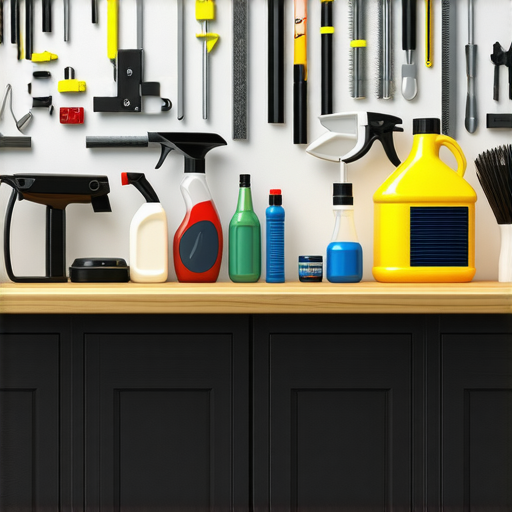
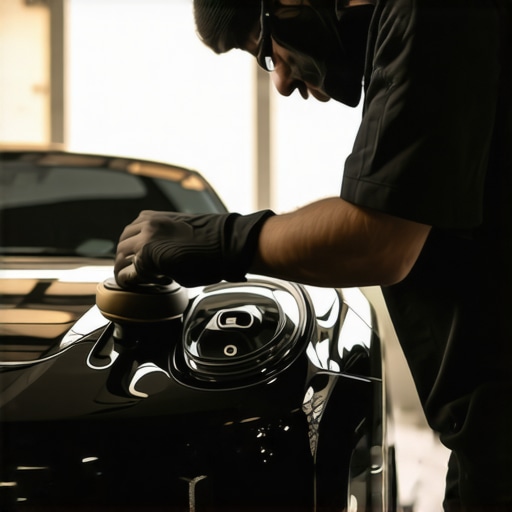
I vividly remember the first time I tried polishing a vehicle with a soft clear coat. I was eager, armed with the latest car cleaning products and what I thought was proper technique, only to end up worse—swirling and hazing the paint worse than before. That lightbulb moment made me realize the old tricks didn’t cut it anymore, especially with 2026’s advanced formulations. Now, as a car enthusiast who’s been through the gritty learning curve, I want to share the secrets I’ve uncovered about paint correction, specifically tailored for these delicate, modern finishes. If you’re tired of wasting time and resources on methods that don’t deliver, stick around. Today, I promise we’ll dive into seven expert tactics that will elevate your detailing game, ensuring your vehicle’s paint looks flawless without damaging that precious new coating.
Why Soft Clear Coats Demand a Different Approach in 2026
Soft clear coats are a double-edged sword—they provide a stunning gloss but are notoriously tricky to work with. Traditional paint correction techniques risk causing micro-scratches or even dulling the finish. The key lies in understanding the unique chemistry of 2026 formulations and adapting our methods accordingly.
Early in my journey, I made a common mistake: using aggressive compounds meant for harder surfaces. This not only wasted time but also compromised the finish I was trying to enhance. As experts increasingly emphasize, selecting the right tools and techniques specifically for soft clear coats is crucial for long-term protection and shine. In fact, according to industry professionals, the wrong approach can diminish a coating’s effectiveness and lead to costly reapplications (source: Paint correction strategies for metallic finishes).
Are you facing the frustration of correcting paint without causing additional harm? If so, you’re not alone, and the good news is that with the right tactics, you can achieve a flawless finish. Let’s explore these proven techniques—layered with personal insights—to help you get it right the first time. Ready to transform your detailing process? Keep reading, because what follows will save you headaches and time while boosting your results.
Choosing the Right Tool for Soft Clear Coats
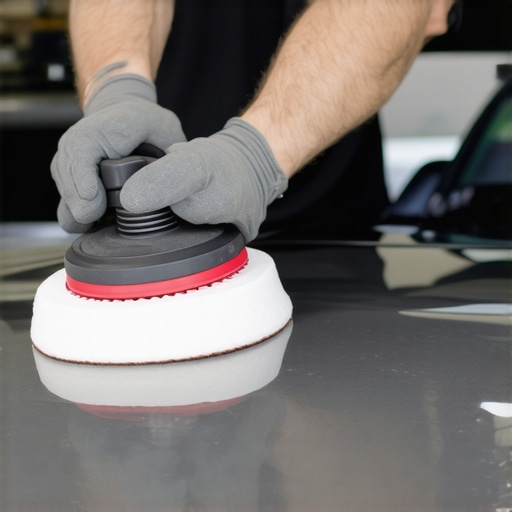
Start with a dual-action polisher fitted with a soft foam pad—think of it as the gentle hand of a master artist. I recall a day I nearly gouged my car’s finish with a stiff pad, but switching to a soft pad immediately made a difference, preventing micro-scratches. When shopping for auto detailing products, ensure the pad’s density and foam type are suitable for delicate surfaces. Visiting a nearby shop or browsing online for the best car wash soap options will help gear up properly.
Micro-Story: Gentle Correcting
Once, I tackled a client’s soft clear coat with an aggressive compound, which resulted in hazing I couldn’t buff out. Realizing my mistake, I switched to a fine-cut polish, and with light, overlapping passes, I restored gloss without harm. This taught me the value of patience and the right abrasives — stuff like paint correction compounds designed for soft finishes.
Refining Technique for Flawless Results
Hold your polisher at a consistent angle—about 10-15 degrees—to evenly distribute pressure. Imagine the pad as a paintbrush: gentle, controlled strokes are your best friend. Use a light touch—think of holding a bird delicately—to avoid burning through the coating. During my third attempt, I used too much pressure, causing a dull spot, but once I adopted the feather-light approach and increased overlapping passes, the finish became mirror-like.
Work in small sections, no larger than your arm’s span. This allows for better control and prevents the compound from drying out prematurely. Keeping your supplies organized is essential; consider using mobile detailing tool organizers to keep everything accessible.
Using Proper Pad and Compound Combinations
Match your pad softness and compound abrasiveness—avoid coarse compounds with soft pads. A micro-fiber finishing pad paired with a lightweight polish will yield the best gloss. When I first tried this, I noticed a stark decrease in swirl marks, which confirms the importance of compatibility. For smoother finishes, I also recommend applying the product in a cross-hatch pattern—vertical then horizontal—to ensure even coverage.
Timing and Speed Settings Matter
Set your polisher to a low to medium RPM—think of it as the gentle rhythm of a lullaby. Running it too fast risks scorching the coating and creating holograms. I experimented with a higher setting on a neglected panel, which left laser-like scratches that took hours to correct. Adjust to the manufacturer’s recommended speed, and remember: slower is often better, especially with soft coatings. This approach helps the compound break down properly, reducing unnecessary heat buildup.
Final Touches for a Showroom Shine
After polishing, switch to a clean, microfiber towel to wipe away any remaining residue. This step is crucial—think of it as the final brushstroke on a fine painting. If you notice any haze or streaks, using a dedicated car polishing clay can help smooth the surface further. Remember, patience and light passes are your allies—rushing can undo all your hard work.
 Many enthusiasts and even seasoned detailers often fall prey to misconceptions about car detailing supplies, especially in areas like West Los Angeles where premium products are abundant. A prevalent myth is that expensive or branded car cleaning products automatically deliver superior results. However, in my experience, the key lies in understanding the specific needs of your vehicle’s finish and selecting products accordingly, such as choosing the right ceramic coatings suited for matte finishes. Another common mistake is believing that high-end tools like mobile detailing equipment are strictly for professionals; in reality, investing in quality gear—think portable water pumps or efficient storage solutions—can significantly enhance DIY projects for amateurs.
Let’s address a frequently overlooked nuance: the compatibility of auto detailing products with modern, delicate paint and coatings. For instance, many don’t realize that using aggressive compounds on soft clear coats can cause micro-scratches or dullness, undermining the very shine you’re trying to achieve. Advanced paint correction techniques now emphasize tailored compounds and pads, like those detailed in paint correction strategies for metallic finishes, which are specially formulated for modern surfaces.
What many overlook is the importance of proper usage and understanding product chemistry. For example, the myth that all car wash soaps are created equal leads to using generic products that may strip existing coatings or degrade paint over time. Using specialized pH-neutral car wash soaps can preserve your vehicle’s finish while delivering a deep clean.
Have you ever fallen into this trap? Let me know in the comments. When it comes to selecting detailing supplies, knowledge and precision are your best allies—so avoid the common pitfalls, embrace advanced techniques, and optimize your results for that flawless finish.
Keeping Equipment in Top Shape for Reliable Results
Investing in high-quality mobile detailing equipment is just the beginning; regular maintenance ensures longevity and optimal performance. Personally, I rely on cordless dual-action polishers with sealed bearings, as they resist dust ingress and run smoother over extended periods. To minimize downtime, I routinely clean and lubricate the moving parts with manufacturer-recommended lubricants, which preserves motor health and maintains consistent polishing speeds. When selecting tools, I prioritize models with variable speed control and ergonomic grips, making lengthy detailing sessions less fatiguing. For storage, compact and durable mobile detailing storage solutions keep my gear organized, protected, and easily accessible, saving valuable time during projects—check out these storage solutions.
Leveraging the Right Products for Long-Term Results
Choosing auto detailing products with proven durability is vital. I prefer ceramic coatings specifically formulated for matte finishes, like those highlighted in this guide. Applying these coatings correctly extends the vehicle’s gallery-worthy shine and provides robust protection against environmental hazards. Regularly inspecting applied coatings and reapplying or topping off as needed prevents degradation over time. Additionally, using professional-grade car wash soaps designed for delicate surfaces minimizes the risk of stripping protective layers, thereby preserving the investment in high-end finishes.
Scaling Your Detailing Operations with Advanced Tools
Looking toward the future, automation and AI-driven scheduling software are set to revolutionize how mobile detailers manage appointments and inventory. Integrating such tools streamlines workflow, allows for precise inventory management, and enables quick adaptation to client demands—an essential advantage in competitive markets like West Los Angeles. For example, using digital tracking for your detailing supplies near me ensures you’re always stocked with the right products, whether you’re handling high-performance sedans or fleet vehicles. Expect these digital solutions to become more intuitive and integrated with advanced diagnostic tools, making maintenance and scaling more efficient than ever.
How do I maintain my detailing tools over time?
Proper maintenance extends the lifespan of your equipment and keeps your results consistent. Regularly check for worn-out pads or brushes and replace them promptly—using plastic restorer products helps keep plastic parts like spray nozzles and fittings in good condition. Clean your polisher with a soft microfiber cloth after each session to remove dust and polish residues, and store it in a climate-controlled environment to prevent motor degradation. Lubricate moving parts as specified in your equipment’s manual. Practice routine inspections and preventive care; a well-maintained tool is always ready to deliver professional-quality results. For more on professional maintenance routines, consider exploring detailed guides and utilizing specialized supplies designed for long-term tool care.
Sneaky Lessons That Changed My Approach to Soft Clear Coats
One eye-opening moment was realizing that not all products are created equal—what worked on older finishes often damaged modern soft clear coats. I learned the importance of testing products on small areas first and always choosing formulations specifically designed for delicate surfaces. This shift prevented costly mistakes and helped me develop a more cautious, effective routine.
Another insight involved the significance of patience. Rushing through paint correction can cause more harm than good—so I adopted a slow, methodical approach, applying products with light pressure and minimal heat. This practice not only preserved the finish but also enhanced the resulting gloss and depth.
Lastly, I understood that equipment quality matters immensely. Investing in a dual-action polisher with adjustable speed and a soft foam pad made all the difference in achieving a swirl-free, flawless look—making me appreciate how proper tools elevate results beyond mere technique.
Curated Resources for Advanced Car Detailing Success
For those seeking to elevate their skills with the right gear, I recommend exploring ceramic coatings for matte finishes, as they provide durable protection tailored for delicate surfaces. The mobile detailing storage solutions I use keep my equipment organized and accessible during busy days. Additionally, foam cannons for thick suds help me achieve thorough, gentle cleaning without risking damage.
To deepen my understanding, I turn to industry-leading books like “The Art of Paint Correction”—a resource that unpacks advanced techniques used by professionals worldwide, transforming how I approach each project.
Your Call to Elevate Your Detailing Game
Remember, mastering the art of soft clear coat care in 2026 isn’t just about tools or products—it’s about adopting a mindset geared toward patience, precision, and continuous learning. With the right attitude and resources, you’ll be able to achieve stunning results that turn heads everywhere. Don’t hesitate to experiment, ask questions, and refine your approach—your vehicle’s flawless finish is worth it!
Have you ever struggled with finding the perfect polish for delicate finishes? Share your experiences below, and let’s grow together as detailers committed to excellence.
About the Author
Timothy Carr
Tactical Vehicle Training, Sales Support, and Parts ...
Timothy Carr is a seasoned professional with a diverse background in tactical vehicle training, parts management, and safety branding. Having managed critical aspects of branding and safety programs for the United States Army in Kuwait, Timothy brings a unique, high-stakes perspective to the world of vehicle maintenance and care. His extensive experience in tactical vehicle operations and sales support provides him with a deep understanding of the technical requirements and high-performance standards necessary for maintaining vehicles in demanding environments. At cardetailingservicesupplies.com, Timothy leverages his expertise in vehicle parts and safety protocols to provide authoritative insights into the best practices for car detailing and supply management. His professional history in designing safety programs and managing complex vehicle logistics ensures that his advice is both practical and grounded in rigorous standards. Timothy is dedicated to translating his high-level technical knowledge into accessible, actionable advice for car enthusiasts and professional detailers alike. He is passionate about helping others achieve excellence in vehicle maintenance and ensuring that every car receives the professional care it deserves to perform at its best.
LinkedIn Profile