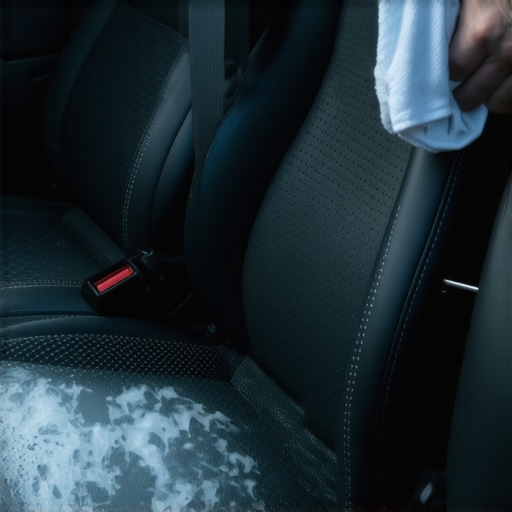
Have you ever belted into your car after a *successful* day of detailing only to find your perforated leather seats covered in stubborn grime, with some sections looking dull and clogged? I remember the moment I realized that my usual cleaning routine wasn’t cutting it—those delicate perforations felt almost impossible to keep pristine without causing damage. It was a lightbulb moment: traditional cleaning methods can unintentionally clog those tiny holes, compromising both appearance and breathability.
Why Maintaining Perforated Leather Seats Feels Like Walking a Tightrope
Perforated leather seats add a touch of luxury and style, especially in newer models like my 2026 EV. But they come with their own set of challenges—small, delicate holes that trap dirt and oils, making proper cleaning a tricky dance. Conventional cleaners or abrasive tools can clog these perforations, leading to uneven wear, odors, and even long-term damage. This realization made me dig deeper into the process—and I want to share what I’ve learned with fellow enthusiasts who’ve faced the same frustrating roadblocks.
Is It Really Possible to Clean Without Clogging? Here’s the Truth
Early on, I made the mistake of applying harsh cleaners and scrubbing aggressively. The results? Dirt packed tighter, and a few perforations got permanently clogged. Trust me, I learned the hard way that patience and the right products matter. And it’s not just about aesthetics; clogged perforations can hinder air circulation beneath the seats, affecting overall comfort. For concrete advice, I referenced expert insights on proper leather care and found that gentle, targeted cleaning is essential—something I wish I had known from the start. If you’re tired of dull, clogged seats ruining your ride, stay tuned. We’ve got some actionable tips that will transform your cleaning routine and keep those perforations open and breathing.
Choose Gentle, Quality Cleaners
Start with a high-quality, pH-balanced leather cleaner designed specifically for delicate upholstery. I once tried a generic all-purpose cleaner, but it left residues and clogged perforations. Instead, I opted for a cleaner recommended in top auto detailing guides. Apply it with a soft microfiber cloth, avoiding aggressive scrubbing—think of it as softly patting the seats rather than scrubbing a stubborn pan. This approach ensures dirt lifts without pushing deeper into perforations.
Utilize the Right Tools for Precision
Use a soft-bristled, narrow-detailing brush to access tight perforations. I remember a time I used a stiff brush, which resulted in torn perforations—lesson learned. Instead, I sourced artisan brushes from specialized interior brushes that gently dislodge dirt on delicate surfaces. Light, controlled strokes prevent clogging and preserve the leather’s breathability.
Employ a Controlled Steam or Dry Method
For stubborn grime deep within perforations, light steaming can be effective—like giving your seats a gentle, warm breath. I used a portable steamer set to a low, controlled steam setting, matching a technique from mobile detailing experts. Keep the nozzle a few inches away to avoid saturating the leather. After steaming, immediately dry with a clean microfiber. This method loosens dirt without risking water infiltration that can lead to mold or odors.
Rinse Without Causing Harm
Follow up with a damp microfiber cloth lightly moistened with distilled water. I avoid direct water sprays—think of it as gently wiping away residue rather than rinsing a garden hose. This ensures no residual cleaner gets trapped or causes clogging. Use a gentle, circular motion akin to polishing a delicate jewel—a technique that removes remaining grime without applying excessive pressure that could damage perforations.
Seal and Protect Post-Cleaning
Finish with a leather conditioner formulated for perforated surfaces. This keeps the leather supple and repels future dirt. Applying with a soft applicator and working through perforations prevents dirt from settling in right after cleaning. For extra protection, consider applying a light ceramic coating designed for leather—like premium leather protection. The coating acts like a breathable shield, preventing clogging and maintaining airflow.
Maintain Regular Upkeep
Schedule routine cleanings—monthly or after heavy use—to keep perforations open. Always use gentle products, avoid harsh chemicals, and resist the temptation to scrub aggressively. I found that consistent, light maintenance prevents grime buildup and keeps my seats looking fresh, just like new, without risking damage or clogging perforations. Remember, the key is patience and precision—think of your seats as a fine piece of fabric that deserves a gentle touch, not a rough scrubbing pad.When it comes to auto detailing, many car owners believe that investing in high-end car wash soap or the latest ceramic coating automatically guarantees a showroom shine. However, what often gets overlooked is the importance of understanding the subtle differences in product formulation and application techniques. Many assume that all products with similar labels are interchangeable, but this misconception can lead to costly mistakes, especially for those attempting DIY car detailing kits or paint correction projects on their own. Misapplication or choosing the wrong product can cause damage like hazing, streaks, or even paint degradation over time.
One common myth is that more product means better results. In reality, overusing detailers or paint protection products can create a buildup that diminishes the clarity and reflects light unevenly. Experts emphasize that understanding the chemical composition and pH balance of products means you can tailor your approach, especially when working with sensitive surfaces like interior components or exterior paint. For instance, winter storage preparations demand different strategies than routine cleaning.
A crucial nuance is the technique of application, especially when it comes to paint correction. Using a precision applicator and ensuring even coverage without overstressing the surface prevents micro-marring or thermal damage. Additionally, understanding the light spectrum requirements for paint correction can elevate your results from amateur to professional.
Have you ever fallen into this trap? Let me know in the comments. Remember, knowledge of your products and meticulous application are the real game-changers in achieving lasting, flawless finishes. Don’t just rely on hype—invest in understanding the nuances, and your vehicle will thank you.
Investing in the Right Equipment for Durability
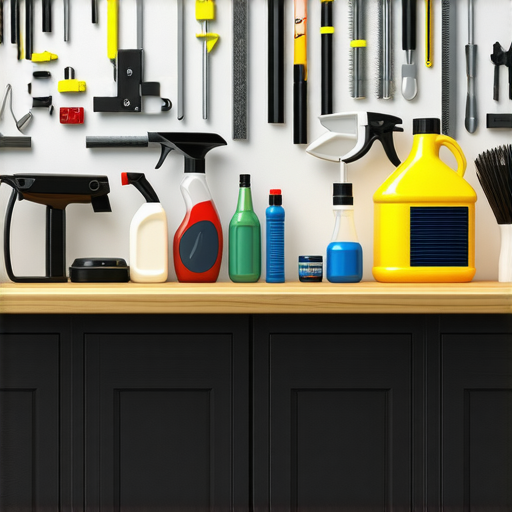
To ensure your auto detailing efforts stand the test of time, selecting professional-grade tools is crucial. I personally rely on the 3-Battery Polishers because they offer consistent power throughout a demanding workday, reducing the need for recharging and ensuring a smooth finish. When dealing with paint correction, a quality paint correction kit equipped with foam pads and a dual-action polisher can prevent micro-marring and enhance long-term results.
Utilizing Effective Maintenance Practices
Maintaining your equipment is vital. Regularly clean your buffers and brushes with specialized detailing supplies to prevent residue build-up, which can compromise performance. Additionally, lubricate moving parts with appropriate lubricants recommended by the manufacturer, ensuring every tool operates smoothly and lasts longer. Keeping your supplies organized with dedicated storage solutions minimizes contamination and damage, especially in the fluctuating temperatures of West Los Angeles.
Targeting Long-Term Results with Protective Layers
Applying a high-quality ceramic coating once every few years can significantly reduce maintenance efforts. I suggest the 3 Best Ceramic Coatings for 2026 that provide durable protection against UV rays, contaminants, and minor scratches. Properly maintaining this layer through regular washes using a dedicated car wash soap ensures your vehicle stays protected and glossy for years.
How do I keep my detailing tools in top shape over time?
One method I rely on is using a mobile detailing pressure washer with a built-in filtration system. This prevents debris from damaging the pump and extends the lifespan of your equipment, saving you money and maintaining professional results. Additionally, storing your tools in temperature-controlled environments prevents rubber parts from hardening or degrading, especially during the cooler months of winter. For painters and detailers aiming for impeccable finishes, adhering to manufacturer-recommended maintenance schedules is outlined in detail in the technical documentation by InterNACHI, which emphasizes routine inspections to catch issues early and avoid costly repairs. Try setting a bi-annual inspection routine for your tools to catch wear and tear before it impacts your work—this commitment can be a game-changer for your business’s reputation and results.
Throughout my auto detailing journey, I stumbled upon some hard-earned lessons about maintaining perforated leather seats that no guide fully explains. One crucial insight is that patience trumps brute force—gentle cleaning techniques preserve the delicate perforations and prevent a future headache. I also learned that integrating a tailored approach with high-quality, pH-balanced cleaners makes all the difference in keeping seats looking brand new. Finally, investing in the right tools, like artisan brushes and controlled steam devices, can transform an ordinary cleaning routine into a professional-grade maintenance ritual, ensuring your seats breathe freely and retain their luxurious appeal for years to come.
What I Wish Someone Told Me About Auto Detailing Secrets
- Perforations Are Sensitive: Using harsh chemicals or scrubbing vigorously can clog tiny holes, leading to long-term damage. Patience and gentle products are essential.
- The Right Tools Make All the Difference: Soft, narrow-detailing brushes and a controlled steamer help access tricky perforations without harm, saving time and preserving seat function.
- Consistency Is Key: Regular, light maintenance with proper products prevents grime buildup and keeps perforated seats in pristine condition, avoiding costly restoration later.
- Understanding Product Chemistry: Knowing the pH and formulation of cleaners ensures compatibility with delicate leather, preventing residues that cause clogging or discoloration.
- Protect and Seal After Cleaning: Applying specialized leather conditioners and ceramic coatings can create a breathable barrier, repelling dirt while maintaining airflow and luxury feel.
My Go-To Gear for Flawless Leather Maintenance
- Artisan Interior Brushes from trusted suppliers have consistently delivered gentle yet effective dirt dislodging, saving my perforations from damage.
- Portable Low-Heat Steamer from recognized brands allows deep cleaning without saturating the leather, making stubborn grime vanish.
- pH-Balanced Leather Cleaners recommended in expert guides ensure maximum compatibility and cleanliness without clogging perforations.
- High-Quality Leather Conditioners and ceramic coatings protect the seats and maintain their breathability and elegance over time.
Your Turn to Take Action
If you’re ready to elevate your leather seat care, remember that careful product selection, gentle techniques, and the right equipment are your best allies. Proper maintenance isn’t just about appearance—it’s about preserving the comfort and breathability that elevate your driving experience. Don’t wait until grime and clogging diminish your seats’ elegance; start implementing these insider tips today, and enjoy the lasting benefits of professionally maintained perforated leather.
Have you ever struggled with selecting the best cleaning method for delicate leather perforations? Share your experiences below—I’d love to hear your stories and tips to help fellow enthusiasts keep their seats in top condition.
About the Author
Timothy Carr
Tactical Vehicle Training, Sales Support, and Parts ...
Timothy Carr is a seasoned professional with a diverse background in tactical vehicle training, parts management, and safety branding. Having managed critical aspects of branding and safety programs for the United States Army in Kuwait, Timothy brings a unique, high-stakes perspective to the world of vehicle maintenance and care. His extensive experience in tactical vehicle operations and sales support provides him with a deep understanding of the technical requirements and high-performance standards necessary for maintaining vehicles in demanding environments. At cardetailingservicesupplies.com, Timothy leverages his expertise in vehicle parts and safety protocols to provide authoritative insights into the best practices for car detailing and supply management. His professional history in designing safety programs and managing complex vehicle logistics ensures that his advice is both practical and grounded in rigorous standards. Timothy is dedicated to translating his high-level technical knowledge into accessible, actionable advice for car enthusiasts and professional detailers alike. He is passionate about helping others achieve excellence in vehicle maintenance and ensuring that every car receives the professional care it deserves to perform at its best.
LinkedIn Profile