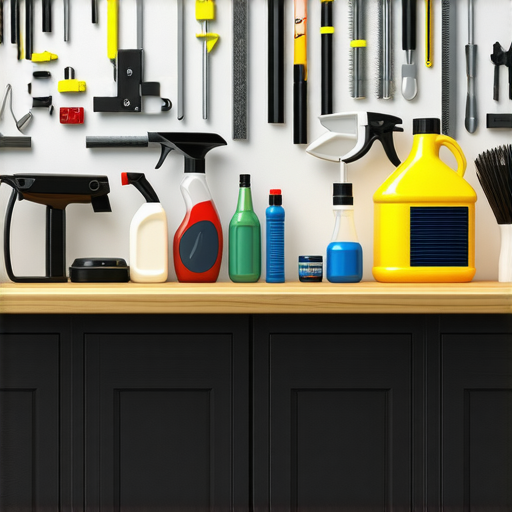
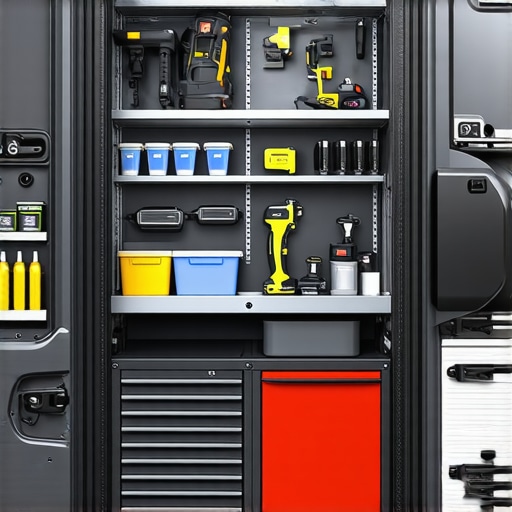
It was a typical morning at my West Los Angeles detailing shop when I realized I was fumbling through a jumble of supplies—car wash soaps, microfiber towels, polish bottles—each time searching for that one elusive bottle of ceramic coating. The clutter was taking over my van, slowing me down, and frankly, making the job less enjoyable. That was my lightbulb moment. If you’re like me, juggling a growing arsenal of auto detailing products in a compact van, you know how quickly disorganized storage becomes a nightmare.
Why Smart Storage Matters for Your 2026 Mobile Detailing Business
Many detailers overlook the importance of effective storage solutions until chaos strikes. Efficiency, safety, and professionalism all hinge on how well you organize your workspace, especially when operating out of a van. As my experience grew, I learned that having a tailored setup not only speeds up my workflow but also protects my expensive equipment and enhances the customer experience. Plus, with new regulations and climate challenges in 2026, optimal storage helps me keep supplies safe and within easy reach.
Is Mobile Detailing Storage Solutions Actually Worth the Hype?
Initially, I fell into the trap of buying cheap racks and bins, thinking I’d save money. But I quickly discovered that poor choices led to damaged products and wasted time. For example, a flimsy shelving unit collapsed under the weight of ceramic coatings and cleaning chemicals, forcing me to revisit my entire setup. I’ve since learned from this mistake, and today I want to share proven strategies that will help you avoid the same pitfalls. Want to see how to keep your van organized without breaking the bank? Check out this article on [why cheap car wash soap is ruining your paint job](https://cardetailingservicesupplies.com/why-cheap-car-wash-soap-is-ruining-your-2026-paint-job), which underscores the importance of investing in quality supplies and storage.
Start with Clear Zoning for Your Supplies
When organizing your van, think of it like arranging tools in a toolbox; assign specific zones for different categories of products. For instance, design a dedicated area for car wash soaps, another for polishing compounds, and one for ceramic coatings. During my recent upgrade, I used labeled containers for each supply group, which drastically reduced my search time and kept everything clean. For example, I placed all my high-performance auto detailing products in one shelf, so I could grab what I needed without rummaging through clutter. Clear zoning makes your workflow smoother and less stressful.
Utilize Custom Foam Insert Organizers
Invest in foam inserts that fit snugly into drawers or shelves. These foam dividers act like cushiony lanes, guiding each bottle or tool to its home. I once used a DIY foam kit to fit my car wash soap bottles, preventing them from bouncing and breaking during transit. To make this effective, measure your supplies carefully, then cut the foam to match their dimensions. This technique keeps your detailing supplies from shifting, reducing damage and spills, especially useful in areas with bumpy roads like West Los Angeles.
Color-Code and Label Everything
Create a visual system with color-coded bins or labels. Assign red tags for chemicals like quick detailers, blue for polishes, and green for water-based solutions. I once labeled a small set of spray bottles with bright stickers, which allowed me to identify their purpose at a glance, speeding up my process drastically. Using labels also helps when working in the dark or low-light conditions, common in early mornings or late evenings. Integrate this with your overall paint correction supplies management to avoid mix-ups.
Prioritize Accessibility for Frequently Used Items
Keep your most-used products within arm’s reach. During a recent busy day, I placed spray triggers, microfiber towels, and quick detail sprays in a shallow bin right beside my operating area. This setup saved me countless steps and allowed for rapid touch-ups. Think of your van like a kitchen: you want your utensils and ingredients close at hand. For instance, placing your detailing equipment that you frequently use at the front keeps your workflow fluid, especially when handling multiple cars back-to-back.
Implement Vertical Storage to Maximize Space
Use wall-mounted racks and pegboards for tools like polishers, brushes, and microfiber mops. Vertical storage allows you to hang bulky yet lightweight items, freeing up floor and shelf space. I installed a pegboard near the sliding door, where I hung my graphene sprays and polishing pads, which made grabbing tools straightforward and kept everything visible. This approach prevents clutter from stacking up and makes cleaning your workspace easier, vital in climate-challenged areas like West LA.
Regularly Purge and Reorganize
Schedule weekly or bi-weekly check-ins to remove outdated or unused supplies. I found that old, half-used bottles of car cleaning products tend to take up space and sometimes leak or cause chemical conflicts. During my last cleanup, I consolidated my supplies, checked expiration dates, and replaced worn-out tools, which optimized my inventory. Keep a running list of what’s in your van, so you know when to restock or upgrade, ensuring you’re always prepared for high-quality work.Many auto detailers believe that the more specialized or expensive their car wash supplies are, the better the results. However, how you select and use these products is often more critical than their price tag. A prevalent misconception is that using generic or cheaper car cleaning products won’t impact your finish significantly. In reality, cheap car wash soaps can leave residues, cause spotting, or even strip protective coatings, which compromises your paint’s health over time. For example, investing in a high-quality, pH-neutral car wash soap not only ensures a streak-free finish but also preserves coatings like ceramic or paint protection, minimizing damage that might not be immediately visible. If you want to avoid costly rework or damage, check out reasons why cheap soap is a false economy. Moreover, many detailers overlook the importance of compatible supplies—using a ceramic coating with the wrong shampoo or applicator can lead to adhesion issues and premature failures. Nailing this compatibility is an advanced topic; ensure your detailing products are formulated to work together for optimal longevity. Have you ever fallen into this trap? Let me know in the comments.
Another critical area often misunderstood is the significance of proper storage and preparation of supplies before applying products. Advanced detailers cycle their ceramic coatings and paint protection with decontamination washes and clay bars, not just surface cleaning. This nuanced step, often skipped by beginners, ensures contaminants don’t interfere with adhesion, leading to better durability and appearance. For detailed strategies on preparing your vehicle for optimal ceramic coating application, explore how experts approach decontamination and cleaning rituals.
Many detailers get caught up in the hype around new products like graphene sprays or hybrid polishes, thinking they are miracle solutions. While innovative products offer benefits, they can also complicate workflows if misused. Over-application, improper curing times, or incompatible layering can introduce defects such as streaks, haze, or uneven gloss. For instance, applying a second layer of ceramic coating too soon can trap solvents or cause clouding, which is a common mistake. Make sure you understand the chemical interaction of your products—consult manufacturers’ guidelines and field-tested advice.
Lastly, a common myth persists that all detailing supplies are created equal. This misconception leads many to settle for local or bargain options without considering quality or suitability. High-quality tools like microfiber towels optimized for ceramic application or foam applicators designed for even coverage are worth the investment. Using subpar tools can lead to micro-scratches or uneven coatings. Remember, your supplies are just as vital as your techniques. For more on selecting the right professional-grade supplies, see our guide on [professional auto detailing supplies near me](https://cardetailingservicesupplies.com/4-detailing-supplies-near-me-that-beat-west-la-sun-in-2026).
In summary, mastering the nuances of car wash supplies—knowing their compatibility, preparing properly, avoiding myths, and investing in quality tools—can significantly elevate your detailing game. Keep questioning your assumptions, and don’t be afraid to refine your approach. Want to dive deeper into product compatibility and advanced detailing tactics? Check out our comprehensive articles linked throughout this post to sharpen your skills and avoid costly mistakes.
Invest in Reliable Equipment to Sustain Your Detailing Workflow
Maintaining your auto detailing tools is crucial for delivering consistent results and avoiding unexpected downtime. I personally rely on high-quality battery-powered polishers, such as the 3-pro-grade battery polishers, which provide the flexibility to work anywhere without worrying about cords or power outlets. These tools are designed to last through an entire workday, ensuring I can complete multiple cars efficiently. As technology advances, expect cordless tools with longer battery life and smarter features to become the standard, reducing the need for frequent recharges and enhancing productivity.
Utilize Software for Efficient Supply and Job Management
From tracking inventory levels to scheduling appointments, digital tools streamline your operations. I recommend using specialized auto detailing software like software tailored for detailers that helps monitor supply usage and predict restocking needs. This prevents running out of essential products mid-job and keeps your workflow seamless. Machine learning and AI-driven analytics are trending in 2026, providing insights that help optimize your supply chain and client management. Investing in these tools now prepares your business for future growth and scalability.
Keep Supplies in Top Shape with Routine Maintenance
Regularly inspecting and maintaining your products extends their lifespan and ensures maximum efficacy. For instance, replacing worn-out microfiber towels or recalibrating sprayers and applicators prevents streaks and uneven coatings. I make it a habit to clean and store my detailing supplies properly at the end of each day, avoiding chemical buildup that can degrade materials over time. According to industry experts, proper storage and maintenance practices can double the useful life of your equipment, ultimately saving money and improving results.
How do I maintain my detailing tools over time?
The key lies in scheduled check-ups. For example, cleaning spray nozzles with compressed air, lubricating moving parts, and replacing filters regularly ensures your tools run smoothly. Additionally, consulting product-specific maintenance guides, like those for ceramic coatings or paint correction kits, helps prevent premature failures. For advanced tips, read about how industry professionals maintain their ceramic coatings to maximize longevity. Proactively caring for your gear ensures consistent quality and can save you costly repairs down the line.
If you haven’t already, try integrating one of these maintenance routines today—like inspecting your battery buffers or updating your supply tracking software—to keep your detailing operation running at peak performance. Staying ahead with these tools and practices will give you a competitive edge in West Los Angeles’s fast-evolving market.
The Hardest Lessons I Learned About car wash supplies,auto detailing products,car wash soap,West Los Angeles detailing supplies,car cleaning products,detailing supplies near me,paint protection,ceramic coating,car wash soap,Car detailing supplies
One pivotal moment came when I realized that even high-quality products can’t compensate for disorganization. Investing time and resources into custom foam insert organizers and a clear zoning system transformed my workflow from chaotic to seamless, saving me valuable seconds per job. Additionally, I learned that neglecting regular purge sessions led to clutter and potential chemical hazards, reminding me that maintenance is as vital as the products themselves. Lastly, I discovered that labeling and color-coding aren’t just aesthetic choices—they are vital for quick identification and reducing errors in the busy West Los Angeles environment, where speed and accuracy are king.
About the Author
Timothy Carr
Tactical Vehicle Training, Sales Support, and Parts ...
Timothy Carr is a seasoned professional with a diverse background in tactical vehicle training, parts management, and safety branding. Having managed critical aspects of branding and safety programs for the United States Army in Kuwait, Timothy brings a unique, high-stakes perspective to the world of vehicle maintenance and care. His extensive experience in tactical vehicle operations and sales support provides him with a deep understanding of the technical requirements and high-performance standards necessary for maintaining vehicles in demanding environments. At cardetailingservicesupplies.com, Timothy leverages his expertise in vehicle parts and safety protocols to provide authoritative insights into the best practices for car detailing and supply management. His professional history in designing safety programs and managing complex vehicle logistics ensures that his advice is both practical and grounded in rigorous standards. Timothy is dedicated to translating his high-level technical knowledge into accessible, actionable advice for car enthusiasts and professional detailers alike. He is passionate about helping others achieve excellence in vehicle maintenance and ensuring that every car receives the professional care it deserves to perform at its best.
LinkedIn Profile