
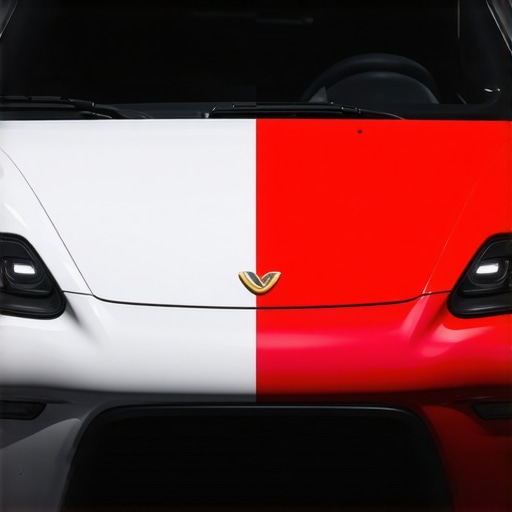
I remember the exact moment I realized my old car’s paint was fading faster than I had anticipated. It was after a particularly harsh West Los Angeles summer afternoon—the sun beating down, dust swirling, and a quick drive through a construction zone that left my vehicle covered in tiny scratches and stubborn water spots. I spent hours trying to clean it, only to see streaks and lingering grime. That frustration got me thinking: there must be a better way to shield my car’s paint—something more reliable than the typical waxes or sealants I had been using.
The Modern Dilemma: Protect or Punish Your Car?
This was my lightbulb moment. As someone passionate about auto detailing and always on the lookout for superior protection options, I started digging into the latest products for 2026. The debate was clear: ceramic coatings or paint protection film (PPF)—which one truly offers the best defense against the relentless assault of West LA’s sun, salt air, and urban grime? Honestly, it’s not just about aesthetics; it’s about long-term investment in your car’s health.
Choosing the right protection isn’t just about stopping scratches or water spots—it’s about maintaining resale value, avoiding costly repairs, and ensuring your vehicle looks stunning without constant maintenance. And here’s the kicker: not all products are created equal. I’ve made my share of mistakes early on—like applying a ceramic coating without proper prep, which led to spots and uneven coverage. That taught me a valuable lesson: knowledge is power, especially when choosing between these two powerhouse options.
Is Ceramic Coating or PPF Actually Worth the Hype?
Many of us are skeptical, and rightfully so. The marketing buzz can make these products seem miraculous, but the truth is more nuanced. For example, I once believed that ceramic coatings alone could handle everything. Turns out, neglecting proper surface preparation or overlooking how salt air might affect the coating’s longevity was a costly mistake—one that I’ve since learned about from trusted sources like industry experts.
In the upcoming sections, I’ll share practical insights and tips based on my experience—helping you make an informed decision on which protection method suits your needs best in 2026. Whether you’re looking for a quick fix or a long-term solution, there’s something here for every car enthusiast eager to keep their ride looking pristine.
Prep Your Vehicle Like a Pro
Start by thoroughly washing your car with pH-neutral car wash soap, which gently lifts dirt without stripping protective layers. Use high-quality car wash supplies near me to ensure safety and effectiveness. Rinse completely and dry with microfiber towels to prevent water spots. Use a clay bar to remove bonded contaminants, making the surface smooth—think of it as peeling an orange to reveal fresh peel underneath. This step is crucial because applying ceramic coating or PPF on a dirty surface leads to uneven adhesion and spots, as I painfully learned during a messy first attempt.
Choose Your Shield
Decide between ceramic coating or paint protection film based on your needs. Ceramic coatings bond chemically to the paint, creating a hydrophobic layer that repels water, dirt, and some UV rays. Paint protection film (PPF), on the other hand, is a physical barrier resisting rock chips and scratches. For West LA carrosseries exposed to salty air, both options have perks—consider combining them for maximum defense. Check out West LA pros are ditching heavy mobile gear to understand industry shifts.
Applying the Ceramic Coating
Apply the ceramic coating in a shaded, dust-free environment. Use microfiber applicator pads similar to a painter’s roller—gentle but effective. Work in small sections, about two feet by two feet, to prevent the coating from drying too fast. During my first apply, I used too much product, resulting in streaks—like trying to spread honey with a spatula. Wiping off excess with a clean microfiber towel as per instructions is key to an even finish. For stubborn water spots, a maintenance fix might be necessary—see Stop Water Spotting.
Installing Paint Protection Film
For PPF, carefully cut the film to size, leaving extra edges for adjustments. Use a spray mixture of water and a tiny amount of dish soap inside the film to allow repositioning. Apply the film gently, then use a squeegee to remove air bubbles—think of it as smoothing a stamp onto paper. This step requires patience; a hurried job leads to bubbles and wrinkles, which I learned during a particularly stressful afternoon. Finish by trimming excess edges with a sharp blade for a seamless look.
Finishing Touches That Seal the Deal
Post-application, cure the coating or film properly. For ceramic coatings, avoid water or rain for at least 24 hours; for PPF, press out any remaining bubbles with a heat gun set to low, ensuring tight adhesion. Regular maintenance involves gentle washing with a 2-buck car wash soap to sustain protection—never use harsh detergents that strip what you’ve just applied. Regular inspections help spot early issues like scratches or bubbles; address them immediately for longevity. For velvety smooth finishes, consider using targeted detailing supplies near me to keep your coat glossy and scratch-free. With proper preparation and application, you transform your car’s paint protection into a resilient shield capable of withstanding West LA’s harsh elements in 2026.When it comes to auto detailing, many enthusiasts believe that using high-end car wash soaps or the latest ceramic coatings automatically guarantees a pristine shine and protection. However, let’s dig deeper into a common misconception: the assumption that brand reputation or price point directly equates to effectiveness. In my experience, many top-tier products can be counterproductive if not used correctly, especially without understanding their specific chemistry and limitations. For example, a popular car wash soap might be formulated to fight West LA’s mineral-rich water, but if applied on a surface prepped with inadequate decontamination, its cleaning power diminishes significantly, leading to streaks or residual water spots. Expert insights from manufacturers emphasize the importance of matching products to surface condition and environmental factors. This nuance is often overlooked, leading to common mistakes like overusing ceramic coatings or neglecting proper surface preparation. For advanced detailers, the key lies in understanding the interaction between products and the specific strains the environment places on your vehicle’s finish. Staying informed and critically evaluating product claims is essential. Are you aware that incorporating mobile detailing equipment upgrades, like those discussed in 6 mobile detailing essentials for 2026, can enhance your workflow and product efficiency? When choosing auto detailing products, remember: effectiveness depends on application technique, surface prep, and environmental compatibility, not just brand reputation. Avoid the trap of equating a high price with superior quality—focus instead on the product’s chemistry and your specific needs. This understanding prevents costly reapplications and ensures your vehicle’s finish remains protected long-term. Your local detailing supplies near me may stock many options, but knowing their proper use turns good products into great results. Have you ever fallen into this trap? Let me know in the comments.
Keep Your Equipment in Peak Condition for Optimal Results
Investing in quality auto detailing products is only part of the equation; maintaining your tools is crucial for long-term success. I personally swear by regularly inspecting my high-pressure washers and vacuum systems to ensure they operate efficiently. For instance, cleaning and replacing filters monthly prevents pressure drops and water wastage, vital for west LA’s water restrictions.
A safe bet is having a dedicated toolkit for your mobile detailing setup. I use a battery-powered polisher like the Makita 9237CX3, which I chose because it combines power with portability—perfect for tight spots in urban environments like West LA. These tools are durable, easy to service, and compatible with a variety of professional-grade ceramic coatings.
Tools I Recommend for Consistent Quality
When I want flawless finishes, I rely on microfiber applicator pads from reputable brands that resist lint and distribute product evenly. Cheaping out on these results in streaks and uneven layers, costing you time and money. For waterless washes, using high-quality spray bottles that prevent chemical separation and allow precise application helps me conserve product and avoid streaking—crucial for dealing with West LA’s mineral-laden water.
In terms of long-term results, a portable auto detailing vacuum like the Metro Vac n’ Blow keeps interior and exterior maintenance swift and thorough. Its cycle of routine care—checking hoses, replacing worn brushes, and clearing filters—ensures consistent suction power. You’ll find that sticking to a regular maintenance schedule for your equipment not only preserves their lifespan but also maintains professional results across jobs.
What strategies help you keep your tools working smoothly over time?
My approach involves scheduling bi-weekly inspections and cleaning after each use. This prevents buildup of dirt or chemicals that could cause corrosion or mechanical failure. Upgrading to specialized accessories like resin pitting-repair kits and polishing compounds helps me refine details that standard tools might miss, especially in salty, humid environments.
Predicting future trends, I believe automation and smart maintenance devices—like IoT-connected pressure washers—will become standard, providing real-time diagnostics and predictive care. This means fewer surprises and more consistent results, ultimately saving time and boosting profitability.
If you’re serious about long-term outcomes, I recommend trying out a high-quality polish kit combined with regular maintenance routines. For example, using a dedicated ceramic Coating maintenance kit periodically ensures your protection layer remains intact amidst West LA’s challenging environment.
What I Wish I Knew Before Choosing Ceramic or PPF
Integrating my experiences, I realized that surface preparation is everything—skipping the clay bar, for instance, led to premature coating failure. I learned that environmental factors like West LA’s salt air demand specialized products, and blindly trusting flashy marketing often backfires. Also, I underestimated the importance of regular maintenance; even the best ceramic coating can falter without proper upkeep. Finally, consistent tool care, like cleaning my polisher and inspecting equipment, prevents costly mishaps and ensures long-lasting results.
My Go-To Sources for Car Detailing Success
First, Pro-grade auto detailing products have consistently delivered reliable performance, especially in coastal environments. I trust mobile detailing equipment guides that keep me ahead of industry shifts, like EV-compatible tools. Reading respected blogs and industry magazines keeps my approach fresh, and I highly recommend engaging with local supply stores known for quality and expert advice, as they often stock game-changing products for West LA conditions.
Your Drive to Keep Your Car’s Shine Alive
Embrace the journey of mastering car protection; every detail you invest in today translates into a vehicle that turns heads tomorrow. Remember, your commitment to understanding your tools, products, and the environment empowers you to surpass standard results. The future of auto detailing in 2026 is bright—solar-powered tools, smart protectants, and smarter maintenance routines are just around the corner. So why wait? Take your detailing game to the next level now and enjoy the satisfaction of a flawless, protected ride every day.
What’s the biggest challenge you’ve faced when applying ceramic coatings or PPF? Share your story below—I’d love to hear your experiences and tips!
,
About the Author
Timothy Carr
Tactical Vehicle Training, Sales Support, and Parts ...
Timothy Carr is a seasoned professional with a diverse background in tactical vehicle training, parts management, and safety branding. Having managed critical aspects of branding and safety programs for the United States Army in Kuwait, Timothy brings a unique, high-stakes perspective to the world of vehicle maintenance and care. His extensive experience in tactical vehicle operations and sales support provides him with a deep understanding of the technical requirements and high-performance standards necessary for maintaining vehicles in demanding environments. At cardetailingservicesupplies.com, Timothy leverages his expertise in vehicle parts and safety protocols to provide authoritative insights into the best practices for car detailing and supply management. His professional history in designing safety programs and managing complex vehicle logistics ensures that his advice is both practical and grounded in rigorous standards. Timothy is dedicated to translating his high-level technical knowledge into accessible, actionable advice for car enthusiasts and professional detailers alike. He is passionate about helping others achieve excellence in vehicle maintenance and ensuring that every car receives the professional care it deserves to perform at its best.
LinkedIn Profile