It was a scorching West Los Angeles afternoon when I first noticed it—the stubborn hazy film on my car’s surface that just wouldn’t come off no matter how much I polished or waxed. That moment stung—the realization that even the best ceramic coatings need extra care, especially with the unpredictable salt air and intense UV rays impacting our area’s vehicles every day. Like many enthusiasts, I was caught off guard, thinking that once I applied my ceramic protector, I could relax. But the truth is, neglecting a decontamination wash can seriously undermine that shiny finish.
Why Your 2026 Ceramic Coating Needs a Decon Wash
In my early days of detailing, I made a costly mistake—ignoring the importance of decon washing before applying ceramic coatings. That oversight led to less-than-ideal results, with swirls and contaminant buildup ruining the flawless look I was after. Over time, I learned that certain contaminants—like embedded brake dust, industrial fallout, and stubborn salt deposits—aren’t just surface level. They embed deep into the paintwork, creating microscopic pitting and dullness that even the most advanced coatings can’t fully protect against if not properly decontaminated.
The real eye-opener was understanding that these impurities can, over time, cause the ceramic coating to peel or fail prematurely. This isn’t just speculation—studies show that contaminants left behind can compromise the bond between the coating and the paint, leading to reduced durability (source: Auto Geek). So, if you’ve invested in a high-quality ceramic layer, ignoring a thorough decon wash is like building a house on shaky ground.
Are you facing persistent water spots or salt air buildup that just won’t wash away? If so, you’re not alone. Many car enthusiasts and professional detailers have faced similar struggles—trust me, I’ve been there. But the good news is, a proper decon wash can reverse this damage—and it’s surprisingly simple when you know what to do.
Next, I’ll walk you through the essential reasons why neglecting this step can jeopardize your coating’s longevity and what specific mistakes I made early on that cost me. Stay with me—your car’s future glow depends on it.
Prepare Your Workspace and Gather Essential Tools
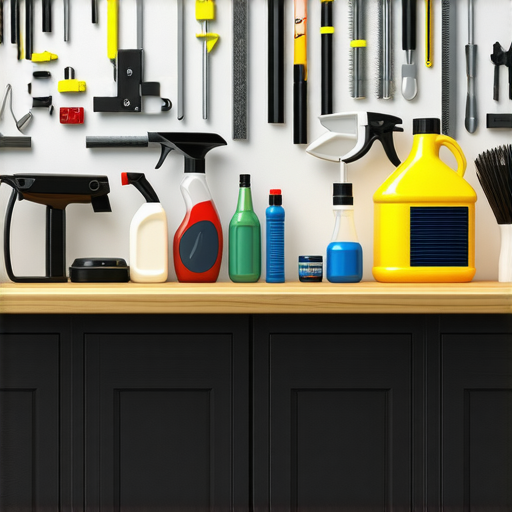
Start by setting up a clean, well-lit area with all necessary supplies within reach. You’ll need a two-bucket wash system, car wash soap specific for ceramic protection, clay bars, lubricants, and safety gear like gloves and goggles. I once tried to rush through this step in a cramped garage, which resulted in missing spots and contamination left behind—lesson learned the hard way. Proper preparation ensures a thorough decon process and prevents introducing new contaminants during cleaning.
Wash the Car Using a Two-Bucket System
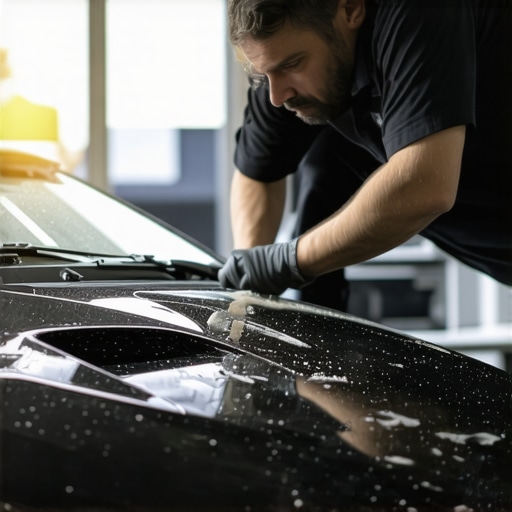
Use the two-bucket method—one with soapy water, the other with clean rinse water—to minimize dirt transfer. Begin with a pre-rinse to remove loose dirt, then gently wash from top to bottom, avoiding aggressive scrubbing. This helps prevent scratching the clear coat, especially when your car’s paint is already compromised from salt air or debris. For tough salt deposits common in West LA, opting for a car wash soap proven to fight mineral buildup (check out this guide) can make a big difference.
Use Clay Bar for Embedded Contaminants
After washing, tackle embedded contaminants with a clay bar lubricant and a quality clay bar suited for automotive paint. Gently glide the clay across the surface in straight lines—pressing lightly to lift bonded particles like industrial fallout or rust particles that washing alone can’t remove. I once skipped this step when rushed, only to find gritty residues later, which caused micro-marring on the coating. Incorporating a dedicated clay kit ensures a smooth, clean surface ready for coating adhesion.
Inspect and Tackle Specific Contaminants
After claying, visually inspect the surface under good lighting. Notice any remaining spots or stubborn residues? Use specific fixes or targeted wash methods, such as applying a salt remover or industrial fallout cleaner, before progressing. This step is crucial because residual contaminants weaken the bond of your ceramic coating, leading to premature failure—something I experienced firsthand when neglecting this could cause costly rework. For persistent issues, consider using a mixture of diluted vinegar or specialized paint decontamination products designed for delicate surfaces.
Perform a Final Rinse and Dry Thoroughly
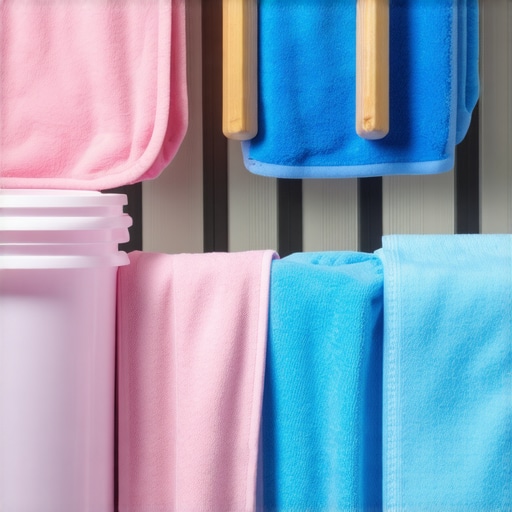
Rinse the car meticulously to wash away any lingering clay or chemical residues. Pat dry with high-quality microfiber towels, avoiding air drying which can cause water spots, especially in mineral-rich environments. In West LA, salt air can leave residues that manifest as streaks; so, using a drying aid spray can help prevent this. When I first tried to speed-dry, I noticed streaks forming—investing in the right drying towels and aids made all the difference in achieving a pristine finish.
Many car owners and budding detailers believe that simply buying high-end paint protection products like ceramic coatings guarantees flawless results. However, in my experience, this misconception can lead to costly mistakes, especially when neglecting the nuanced steps that ensure longevity and true protection. For instance, a frequent myth is that applying a ceramic coating directly over a dirty or contaminated surface improves adhesion. On the contrary, failing to perform a proper decontamination wash, including clay barring and chemical decontamination of embedded salts and fallout, significantly jeopardizes the coating’s bond and durability. This misconception often causes premature failure, leaving owners frustrated and out of pocket.
What Advanced Detailers Know About Surface Preparation That Novices Overlook?
Understanding the intricacies of surface preparation is essential—it’s not just about cleaning, but about eliminating all microscopic contaminants that could undermine your coating’s performance. Experts emphasize that a thorough prep process enhances the chemical bond and increases the coating’s lifespan. According to industry insights, neglecting this step can reduce coating effectiveness by up to 30%, especially in salt-air environments like West Los Angeles. Many overlook the importance of tailored products; for example, using a generic car wash soap can leave behind residues that interfere with coating adhesion. Specialty soaps designed for ceramic protection, like those discussed here, are formulated to neutralize salts and minerals common in coastal areas. Another crucial nuance is the proper use of tools—don’t rely solely on automatic car washes or low-quality sponges, which can inflict micro-marring or embed debris into the paint—leading to swirl marks that diminish the clarity of your paint correction efforts. Advanced professionals swear by proper clay bar techniques and the use of quality microfiber towels, as highlighted in this detailed guide. Many novices miss a critical step here, assuming washing alone suffices. However, embedded fallout, industrial pollutants, and mineral deposits can cause uneven spots or dullness that compromise your finish. Moreover, applying protection over a surface that isn’t fully decontaminated is akin to building on shaky ground. It’s akin to the difference between a good foundation and rushing through prep before painting a house—results will suffer over time. In West LA, salt air, dust, and industrial fallout are persistent adversaries, requiring specific decon products like salt removers or fallout cleaners (see recommended products here). Remember, the devil is in the details: neglecting these advanced nuances can cost you more in rework, repairs, or early coating failure. So, next time you prep your car for protection, ask yourself—are you truly eliminating all contaminants? Have you ever fallen into this trap? Let me know in the comments.
Keep Your Equipment in Top Shape
Investing in quality tools is the first step towards professional-grade results, but maintaining them is equally important. Regularly check your pressure washer for signs of wear and replace any damaged hoses or nozzles to prevent uneven spray patterns that can ruin your paint finish. I personally prefer using a high-grade professional-grade pressure washer because it offers adjustable pressure settings, ensuring you don’t apply too much force, especially on delicate surfaces. Also, frequently inspect your rotary polishers and replace worn pads to maintain optimal cutting and finishing capabilities.
Use the Right Cleaning Products
Choosing the appropriate cleaning products is a game-changer. For instance, I always rely on specialized car wash soaps formulated for ceramic coatings. These help preserve the protective layer without stripping or dulling the finish. When dealing with salt air or mineral buildup common in West LA, using chemical decontamination products ensures embedded contaminants are effectively removed, prolonging the life of your coating.
Implement Regular Maintenance Routines
Consistency is key. Schedule monthly check-ups where you clean and inspect your equipment and surface. Additionally, applying protective sprays like graphene-based sprays can build an extra barrier against salt air and UV rays, especially crucial in coastal environments. These small, repeated actions cumulatively extend your coating’s service life and keep your vehicle looking its best year-round.
Plan for Scale and Efficiency
As you grow your detailing operation, consider upgrading to mobile-specific equipment that enhances productivity. Modular tools like portable lighting, foldable work tables, and compact vacuum systems streamline your workflow. I recommend exploring mobile detailing setups designed for West LA to optimize your on-the-go service capacity. Proper planning and quality gear ensure you can handle larger projects without sacrificing quality or speed.
How do I keep my detailing tools working effectively over time?
Maintaining your equipment isn’t just about regular checks—it’s about proactive care. Rinse tools thoroughly after each use to prevent chemical buildup, and store them in a dry, dust-free environment. Replacing consumable parts like pads, filters, and hoses on a schedule based on usage helps avoid unexpected breakdowns. Additionally, lubricating moving parts with appropriate oils can prevent rust and prolong lifespan. Remember, investing a little time in maintenance now saves significant costs and headaches later. Want a simple yet effective tip? Try applying a ceramic coating spray to your rotary polisher’s backing plates; it reduces wear and keeps your tools performing like new longer. For more advanced maintenance strategies, check out the detailed recommendations in industry guides, such as the one by Auto Obsessed. Start implementing these tips today to keep your tools in top shape and ensure consistently dazzling results that impress every time.
Lessons That Changed My Approach to Car Care
One of the biggest realizations I had was that even the highest quality ceramic coatings won’t perform optimally if the surface isn’t perfectly prepared. Skipping the decontamination process can silently sabotage your efforts, leading to premature peeling and dullness. I learned this the hard way, rushing a prep and noticing spots where contaminants had embedded deep into the paint. Now, I always prioritize thorough decontamination, knowing it’s the foundation for durability.
Another lightbulb moment was understanding the environment’s role. West LA’s salt air and industrial fallout are persistent foes, demanding specific products like fallout removers and mineral blockers. Relying on generic wash soaps isn’t enough; tailored products make all the difference in maintaining that showroom shine for years.
Lastly, I discovered that consistently maintaining tools and using proper techniques elevates the entire process. Regularly cleaning my clay bars and replacing worn pads prevented micro-marring—saving me time and ensuring flawless results every time. These personal lessons underscore that investing in surface prep and tools pays off in long-term protection and gloss.
Tools and Resources that Elevated My Detailing Game
For anyone serious about ceramic coating longevity, I recommend a few essential items: first, the mobile detailing toolkit. Its versatility helps me tackle both small touch-ups and full washes efficiently. Second, the specialized car wash soaps formulated for ceramic protection keep residues at bay, especially in salt-rich environments. Third, I trust the diy kits that ensure I can perform professional-grade decon rituals without costly shop visits. These resources have become the backbone of my routine, saving me time, money, and stress.
Your Car Deserves Expert TLC: Take Action Today
Remember, the key to a long-lasting ceramic coating isn’t just the product you choose—it’s the prep, tools, and maintenance. Each step in the process adds up, transforming your vehicle into a reflection of your dedication. Now, go ahead and schedule that decontamination wash, invest in quality tools, and be proactive with upkeep. Your car will thank you with a stunning, durable finish that turns heads every day.
Feeling inspired? What’s the biggest challenge you’ve faced when maintaining your ceramic protection? Drop your story below—I’d love to hear your experiences!
,
About the Author
Timothy Carr
Tactical Vehicle Training, Sales Support, and Parts ...
Timothy Carr is a seasoned professional with a diverse background in tactical vehicle training, parts management, and safety branding. Having managed critical aspects of branding and safety programs for the United States Army in Kuwait, Timothy brings a unique, high-stakes perspective to the world of vehicle maintenance and care. His extensive experience in tactical vehicle operations and sales support provides him with a deep understanding of the technical requirements and high-performance standards necessary for maintaining vehicles in demanding environments. At cardetailingservicesupplies.com, Timothy leverages his expertise in vehicle parts and safety protocols to provide authoritative insights into the best practices for car detailing and supply management. His professional history in designing safety programs and managing complex vehicle logistics ensures that his advice is both practical and grounded in rigorous standards. Timothy is dedicated to translating his high-level technical knowledge into accessible, actionable advice for car enthusiasts and professional detailers alike. He is passionate about helping others achieve excellence in vehicle maintenance and ensuring that every car receives the professional care it deserves to perform at its best.
LinkedIn Profile
I’ve definitely learned the hard way how crucial a thorough decontamination process is before applying any ceramic coating. I used to think just a good wash was enough, but later I noticed some stubborn spots and water spots that wouldn’t go away and dulled the shine over time. Since adopting clay bar treatments and specific fallout removers, my coatings last much longer and look much brighter. It’s amazing how much contaminants like industrial fallout or salt deposits can embed into the paint and stay hidden—until you do a proper clay or chemical decon. I wonder, for those in coastal areas, how often do you find it necessary to redo your decon wash? I’d love to hear about your experiences, especially with environmental challenges like salt air in West LA. Transitioning from just washing to a complete decontamination routine has truly elevated my detailing game.
This post hits home for me, especially living in a coastal city where salt air is a constant challenge. I used to think a simple wash was enough before applying ceramic coatings, but I quickly saw how salt and industrial fallout could still embed into the paint, causing dullness and spots over time. Now, I make decontamination a regular part of my prep routine—using clay bars and fallout removers—especially after winter or storm seasons when deposits are heaviest. It’s fascinating how microscopic these contaminants can be and how they impact the longevity of even high-quality coatings. My experience has been that sticking to a thorough decon process, including chemical decontamination, truly makes a difference in preserving that glossy, new-vehicle look. I’d love to hear about others’ routine—how often do you find yourself doing a full decon wash? And what products have you found most effective for stubborn salt deposits in coastal environments? Sharing tips like these keeps us all ahead in maintaining our cars’ finish.