
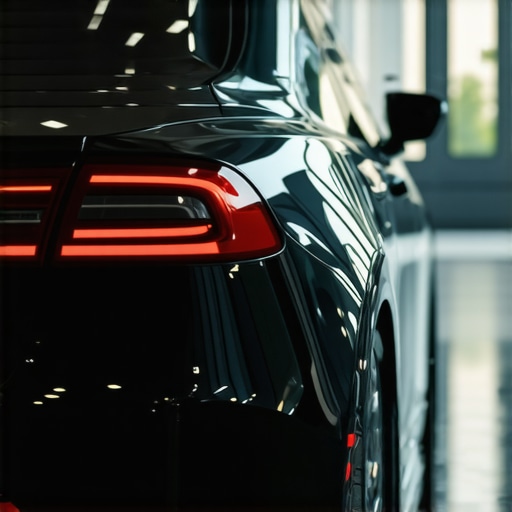
I remember the first time I tried to get my car spotless for a weekend car meet. I pulled out my trusted clay bar—only to realize it was more frustrating than effective. After hours of kneading, scrubbing, and still seeing stubborn contaminants, I felt defeated. That moment was a lightbulb—maybe there’s a better way.
In today’s detailing world, many pros are saying goodbye to the old faithful clay bar. But why? And more importantly, what’s replacing it? If you’ve ever struggled with the time-consuming nature of clay bars or worried about damaging your paint, you’re not alone. Today, I’m going to walk you through why this shift is happening and how you can benefit from the latest innovations in paint correction and surface preparation.
The Shift in Detailing: From Clay Bars to Modern Alternatives
Traditional clay bars have been a staple in automotive detailing for decades. They’re designed to remove surface contaminants that regular washing can’t tackle. But as with many tools, advancements have started to outpace the old methods—mainly because they can be labor-intensive, risk marring paint if not used carefully, and don’t always deliver the finish enthusiasts crave.
In my early days, I made the mistake of relying solely on clay, thinking it would save me time. Instead, I spent more hours correcting micro-scratches caused by improper technique. That experience taught me that innovation in detailing isn’t just about speed; it’s about achieving a higher quality finish with less risk. Today, professional detailers are turning to advanced compounds, polishing pads, and even chemical decontamination agents that sanitize and prepare paint without the abrasive nature of clay. Curious about how these tools can boost your workflow? Check out this resource for time-saving tips.
But wait—before you dismiss the idea that clay might still have a place, let’s address some common doubts. Many skeptics wonder if these new methods truly replace the trusted clay or if they’re just marketing hype. Trust me, I was at that crossroads too. I’ll share some insights and practical experiences that may change your perspective, starting with the most frequent mistake I made early on—neglecting proper surface assessment before choosing the right decontamination strategy.
Is Switching to Alternatives Actually Worth the Hype?
When I first heard about chemical decontamination and polishing systems replacing clay bars, I was skeptical. After all, I had decades of relying on clay. But the truth is, with proper technique and the right products, these methods can deliver superior results faster and safer, especially for high-end finishes. It’s about knowing what tools suit your specific need—whether it’s a quick refresh for a daily driver or a meticulous correction for a show car.
For more detailed guidance, I recommend exploring this guide on high-performance mirror finish and how it relates to surface prep. Trust me, embracing these new techniques can revolutionize your approach and free up valuable time while improving quality.
Prepare Your Surface Like a Pro
Start with a thorough wash using high-quality car wash soap, ensuring the removal of loose dirt without stripping protective coatings. Use a soft mitt or microfiber wash pads, avoiding abrasive tools that can mar finish. After rinsing, dry the vehicle with microfiber towels to prevent water spots, especially in hard water areas.
Assess and Decontaminate
Inspect your paint for embedded contaminants such as tar, overspray, or embedded metal. Use a clay bar for light contamination or chemical decontamination agents for tougher residues. For example, I once had a metallic finish car with stubborn overspray from nearby construction; applying a chemical decontaminant like Iron Remover dissolved the contaminants without risking micro-scratches. Remember, using proper decontamination methods preserves your paint’s integrity.
Correct Surface Imperfections
Identify micro-scratches and swirl marks under good lighting, preferably with a portable LED light. Use a dual-action polisher with a quality pad, starting with a cutting compound for deeper imperfections. Push the polisher at a steady speed—too fast risks burning paint, too slow wastes time. I once worked on a high-end black car, and careful step-by-step polishing eradicated micro-marring, transforming the finish from dull to mirror-like.
Choose the Right Polishing Compounds
Match your compound with your paint type; softer finishes require milder compounds. For metallic or softer paints, lighter abrasives reduce risk. Use a polishing pad appropriate for the compound’s grit—foam for finishing, microfiber for cutting. Remember, overdoing it can cause scratches or haze, so always do test spots.
Refine the Finish for That Mirror Shine
Once scratches are removed, switch to a finishing compound for clarity. Utilize a softer pad and move the polisher in overlapping passes. Apply with light pressure, letting the pad do the work. This process enhances gloss and transparency, bringing out depth in metallic paints. I found that for achieving near-perfect results, multiple light passes outperform fewer aggressive ones, especially on specialty finishes.
Protect with Expert-Quality Sealants or Coatings
The final step involves applying a protective layer to preserve your hard work. Consider ceramic coatings for longevity or a high-quality wax for ease of application. For outdoor cars, consider the benefits of high-performance ceramic coatings that repel water and contaminants. Proper application techniques involve wiping in straight lines, multiple thin layers, and curing as recommended to ensure durability.
Fine-Tune Your Workflow with Proper Tools and Supplies
Utilize mobile detailing equipment like cordless polishers, which decrease fatigue and increase consistency, especially during extensive projects. Regularly maintaining your supplies ensures no cross-contamination, and sourcing supplies locally can save time—check out local bulk suppliers. Remember, investing in quality auto detailing products pays off in the long run by reducing rework and achieving professional results.
Many enthusiasts believe that more product always leads to better results in car detailing, but in reality, understanding the nuances can dramatically improve your finish. One widespread misconception is that aggressive polishing is the key to removing deep scratches; however, excessive force or abrasive compounds can burn or haze the paint, making correction more difficult and costly. Instead, focusing on proper technique and selecting the right polish for your paint type ensures longevity and clarity, especially when working with high-end finishes. Also, many jump straight into ceramic coating without adequately preparing the surface, risking bond failure and premature degradation. Preparing your car with meticulous decontamination and light polishing can enhance coating durability, as highlighted in expert guides like this resource. Here’s an overlooked nuance: the importance of environmental control during application. Dust, humidity, and temperature variations can cause imperfections that negate hours of meticulous correction. Ensuring a clean, climate-controlled workspace is often the difference between a mirror-like strip and a failed coating. Moreover, many overlook the significance of choosing professional-grade auto detailing products tailored for specific paint types, especially metallic or clear-coated finishes. Using generic or poor-quality supplies near me can compromise your results, leading to swirl marks or uneven coatings. Always validate your supplies by consulting trusted sources like local pros who know what works best in your climate. Be wary of shortcuts like skipping regular maintenance of mobile detailing equipment, which can introduce contaminants or inconsistent application. A well-maintained setup ensures even coverage and prevents micro-marring. Last but not least, many underestimate the importance of post-application curing and maintenance, which significantly affects the lifespan of your paint protection. Investing time in proper curing as per manufacturer instructions can save you from costly reapplications. Do you find yourself falling for any of these common mistakes? Share your experiences in the comments and let’s discuss how to master the art of paint correction and surface protection.
Maintaining an efficient and effective car detailing process requires not just knowledge but also the right tools and routines. As modern paint correction and ceramic coating techniques evolve, so do the equipment and supplies that make long-term results achievable. One of my go-to staples is a quality dual-action polisher, specifically the Rupes LHR21, which I personally trust for its balance of power and finesse. Its variable speed settings allow precise control, reducing risks of micro-marring—especially when working with high-end metallic or clear-coated finishes. Regularly inspecting and maintaining this tool ensures consistent results, preventing breakdowns that can cause inconsistent finishes. I also prioritize using foam polishing pads, which offer a generous surface area for even application. Switching pads depending on the compound or polish, like switching to microfiber for finishing, helps achieve that mirror-like shine without haze or holograms. To keep all these tools performing at their best, I recommend establishing a routine of cleaning and storing them properly after each project, as outlined in detailed guides like this resource. For long-term results, investing in a dedicated workspace that minimizes dust and environmental contaminants is crucial—climate-controlled environments help prevent defects caused by humidity or airborne particles. Additionally, sourcing supplies from local trusted vendors like those listed here ensures quality and availability, avoiding delays that can derail your workflow. Looking ahead, automation and smarter app integration for equipment maintenance tracking are predicted to enhance precision in professional detailing. In the meantime, a best practice is to incorporate routine calibration checks on your polisher’s torque and speed settings, as recommended by industry experts. Try setting aside time each month to recalibrate and clean your tools—it’s a small investment that saves hours and guarantees top-tier finishes on every vehicle. Want to elevate your detailing setup? Start by upgrading to a reliable polisher and adopting a cleaning schedule that suits professional standards—you’ll notice the difference in the quality and longevity of your work.
The Wisdom Hidden in My Detailing Journeys
One of the most profound lessons I learned was that rushing the surface preparation often leads to hours of rework later. Patience truly pays off, especially when working with delicate metallic paints where aggressive polishing can cause irreversible haze. Another insight was that quality tools—like a trusted dual-action polisher—aren’t just luxury but essential for achieving consistent, professional results. I also discovered that environmental factors, such as dust and humidity, can sabotage even the best techniques, making a climate-controlled workspace more of a necessity than a convenience. Lastly, understanding your specific paint type guides your choice of compounds and coatings, preventing common pitfalls like holograms or bond failures. These lessons transformed my approach from trial-and-error to precision-focused craftsmanship, saving time and improving outcomes.