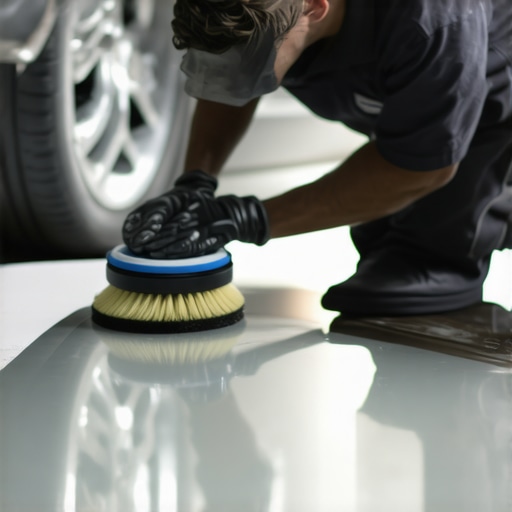
The first time I accidentally buffed through a clear coat while trying to remove stubborn sanding marks, my stomach sank. It was a harsh wake-up call that even the most seemingly minor mistakes in paint correction can cost you a lot—time, money, and the pride of a flawless finish. That moment ignited a fierce determination in me to figure out how to remove sanding marks safely, without risking damage to the vehicle’s paintwork.
Why Safe Sanding Mark Removal is More Important Than Ever
In the rapidly evolving world of auto detailing, 2026 has brought us incredible advancements—like new paint formulations and innovative polishing techniques. But with these breakthroughs come new challenges. Sanding marks, if not handled properly, can become permanent eyesores, especially on high-gloss finishes where every flaw is magnified. And let’s be honest, nothing ruins the satisfaction of a job well done faster than a flawed surface that was supposed to shine.
Recent industry reports suggest that improper sanding techniques are the leading cause of customer complaints in professional detailing. Experts warn that aggressive or uneven sanding not only damages the clear coat but can also weaken the underlying paint, leading to costly repairs. So, understanding how to remove sanding marks safely isn’t just a skill—it’s essential for preserving your work’s integrity and reputation.
Have you ever faced the frustration of trying to correct sanding marks only to realize later that you’ve made things worse? Trust me, I’ve been there, and I know how discouraging it can be.
Now, let’s walk through how to approach this delicate process in a way that guarantees a safe and stunning finish.
Is Sanding Mark Removal Really Worth the Hype in 2026?
When I first started, I believed all sanding marks could be polished out easily. Early mistakes included using the wrong pads or applying excessive pressure—simple errors that left me with more scratches than I started with. I learned the hard way that patience and precision are key. If you want your vehicle to look absolutely perfect without risking further damage, mastering the right techniques is non-negotiable. For more insights on keeping your paint pristine, check out this comprehensive guide on [paint correction](https://cardetailingservicesupplies.com/5-best-2026-paint-correction-liquid-polishes).
Preparing Your Workspace and Supplies
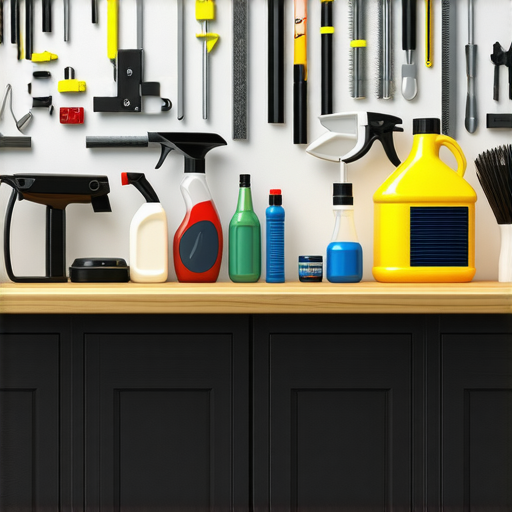
Before tackling sanding marks, organize your workspace with the right tools. Use high-quality auto detailing products such as a dual-action polisher and microfibers. Ensure your environment is free of dust, and lay out all necessary items—abrasive pads, polishing compounds, and masking tape. Think of it as setting up your kitchen before cooking; everything should be at your fingertips for efficiency. My first failed attempt happened because I jumped into polishing without preparations, resulting in uneven finishes and extra work, highlighting the importance of this step.When it comes to auto detailing, many enthusiasts and professionals alike fall for misconceptions that can undermine their results. A prevalent myth is that all car wash soaps are created equal, but in reality, choosing the wrong type—such as generic detergents—can strip off your protective coatings prematurely. Instead, selecting specialized car wash soaps designed for your coating type ensures longevity and shine. Another common mistake involves misunderstanding ceramic coatings; many believe that a single application provides permanent protection, yet in truth, regular maintenance and reload sprays are essential to sustain their benefits. Myths also surround mobile detailing equipment, with newcomers often assuming that cheaper gear yields comparable results. However, professional-grade equipment—like high-quality water tanks—can make or break the efficiency and quality of the service.
Are More Supplies Always Better for Detailing Success?
It’s tempting to stockpile numerous products, but over-saturating your toolkit with unnecessary car detailing supplies can lead to decision paralysis and inconsistent results. Instead, focus on selecting versatile, high-quality essentials tailored to your specific needs. Advanced detailers know that understanding the nuances—like the difference between polish types or the correct sequences for applying paint correction—sets them apart. In fact, experts emphasize that mastering your supplies’ proper use can prevent costly mistakes and enhance the overall finish. According to industry research, misusing auto detailing products can degrade paint integrity over time, leading to more frequent repairs. So, does size really matter, or should quality always take precedence? Remember, the right combination of tools and products, applied correctly, is what yields superior results.
Have you ever fallen into this trap? Let me know in the comments!
Keep It Running: Essential Tools for Consistent Detailing Results
Maintaining your detailing arsenal ensures you deliver professional results every time and extends the lifespan of your equipment. I personally rely on high-quality dual-action polishers, like the Rupes LHR 15 Mark II, because of its balanced weight, vibration reduction, and precision control—making it perfect for safe paint correction without inducing buffer trails or heat spots. Pair this with a set of quality microfibers from GTechniq for streak-free finishes. Investing in durable wash brushes, such as the 2026-detailing brushes for crevices, ensures you can reach every nook and cranny, especially on complex panel lines and vents.
Regularly inspecting your tools for wear and tear prevents mishaps during critical steps like paint correction or ceramic coating application. Additionally, maintaining clean equipment, such as rinsing pads and brushes after each use, preserves their effectiveness and prevents the buildup of contaminants that could scratch or mar the paint. In the future, expect advancements in cordless, battery-powered machines paired with smart sensors to monitor performance metrics—making maintenance even more straightforward and intuitive.
How do I keep my equipment in top shape over time?
Implement a routine maintenance plan that includes proper storage, periodic lubrication, and cleaning after every job. Stock up on essential supplies like accessories for glass clarity and top-quality car wash soaps to keep your tools functioning optimally. Embracing this proactive approach minimizes downtime and ensures your equipment always performs at peak levels, reducing rework and enhancing customer satisfaction.
For rugged environments or frequent use, investing in protective covers or casings for your gear prolongs their life, much like professional detailers do for their machines. Be sure to replace worn pads regularly using recommendations from industry experts—like the detailed guidelines found in the Car Care Association’s technical documentation—to avoid scratches caused by exhausted abrasive surfaces.
Looking ahead, I predict that smart, IoT-enabled detailing tools will become the norm, allowing real-time performance tracking and predictive maintenance—saving time and minimizing unexpected breakdowns. Practicing meticulous maintenance now positions you ahead of the curve as these innovations become mainstream.
Get started by scheduling routine inspections and using high-grade accessories; try applying protective coatings on your machines to prevent corrosion and wear, and you’ll see your long-term results improve significantly. Remember, a well-maintained toolkit is the backbone of consistent quality in auto detailing—think of it as investing in the health of your business.
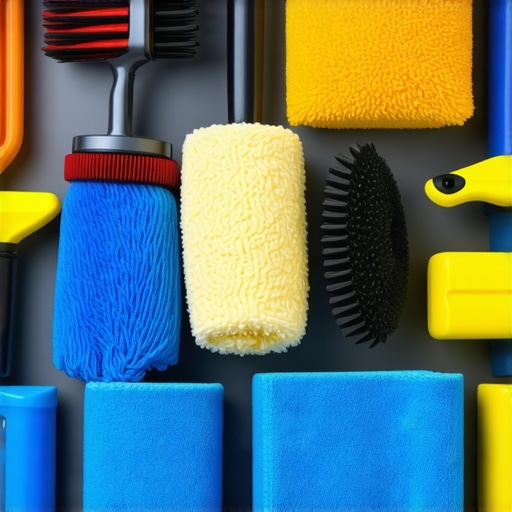
Over the years, I’ve learned that even small mistakes in paint correction can lead to significant setbacks. A life-changing moment was when I accidentally buffed through a clear coat—solidifying my resolve to master safe sanding mark removal techniques that protect your vehicle’s finish while delivering that flawless shine we all crave.
Secrets That Only Seasoned Detailers Keep Under Wraps
- Patience Over Power: Rushing the polishing process often amplifies imperfections. Taking your time with the right tools and techniques can save you time and money in the long run.
- Investing in Quality Matters: From microfibers to polishes, choosing high-quality supplies consistently yields better results. Never underestimate the power of a good microfiber or the precision of a reliable dual-action polisher.
- Visual Cues Are Your Best friends: Learning to recognize when your paintwork is at its optimal correction stage prevents over-polishing and potential damage.
- Prep Like a Pro: Proper workspace setup and thorough surface preparation can make or break your repair efforts. Borders, contaminates, and dust can all sabotage even the best techniques if you’re not meticulous.
- Embrace New Tech and Trends: Staying updated with advances, like graphene coatings or smart detailing tools, helps you stay ahead, offering clients the latest protection and shine.
Tools and Resources That Elevated My Game
- Top glass cleaning accessories help me achieve streak-free clarity on every job.
- Premium car wash soaps are essential to preserve paint layers before correction.
- Specialized supplies for black cars ensure a deep, mirror-like finish on the most demanding surfaces.
- Polishing techniques that prevent scratches guide my every session, unlocking professional results at home or in shop.
Take Action and Transform Your Detailing Journey
The road to mastering safe sanding mark removal in 2026 is paved with continuous learning and a passion for excellence. Every vehicle you work on is a testament to your skill, patience, and dedication. Equip yourself with the best tools, stay informed about the latest trends, and never settle for less than exceptional results.
What’s the biggest challenge you face when removing sanding marks? Drop your experience below and let’s grow together!
About the Author
Timothy Carr
Tactical Vehicle Training, Sales Support, and Parts ...
Timothy Carr is a seasoned professional with a diverse background in tactical vehicle training, parts management, and safety branding. Having managed critical aspects of branding and safety programs for the United States Army in Kuwait, Timothy brings a unique, high-stakes perspective to the world of vehicle maintenance and care. His extensive experience in tactical vehicle operations and sales support provides him with a deep understanding of the technical requirements and high-performance standards necessary for maintaining vehicles in demanding environments. At cardetailingservicesupplies.com, Timothy leverages his expertise in vehicle parts and safety protocols to provide authoritative insights into the best practices for car detailing and supply management. His professional history in designing safety programs and managing complex vehicle logistics ensures that his advice is both practical and grounded in rigorous standards. Timothy is dedicated to translating his high-level technical knowledge into accessible, actionable advice for car enthusiasts and professional detailers alike. He is passionate about helping others achieve excellence in vehicle maintenance and ensuring that every car receives the professional care it deserves to perform at its best.
LinkedIn Profile
Reading this post really struck a chord with me. I vividly recall the first time I buffed through a clear coat — that sinking feeling stays with you. What I’ve learned over time is that patience and using the right tools are truly game-changers when it comes to removing sanding marks safely. It’s tempting to rush, especially on a challenging spot, but taking a measured approach often yields the best results. I also found that thoroughly prepping the workspace saves so many headaches later—dust, debris, or incorrect pad selection can undo a lot of good work. Regarding equipment, I swear by a dual-action polisher with variable speed settings to maintain control during delicate correction stages. Have others found specific techniques or tools that made their sanding mark removal less nerve-wracking and more consistent? Would love to hear personal experiences or recommendations for tackling those stubborn spots without risking damage.