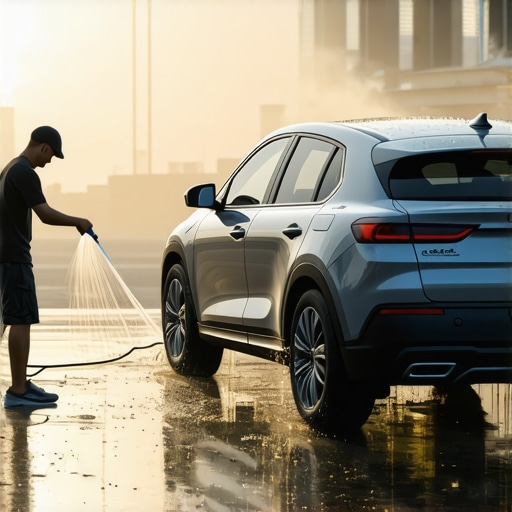
It hit me one sunny afternoon when I was trying to rinse off my car in West Los Angeles. I had just spent a small fortune on high-end detailing supplies and all the latest gadgets. Yet, I found myself struggling to wash my pristine vehicle efficiently, using more water than I dared admit. The realization dawned: in 2026, with tighter water restrictions and a push for eco-friendly practices, my old habits needed a serious upgrade.
The Breakthrough: How I Discovered the 2-Gallon Car Wash Method
After countless failed attempts to conserve water while keeping my ride spotless, I finally stumbled upon a game-changing approach. This method allows you to wash your car thoroughly with just two gallons of water—yes, only two! It’s not just a gimmick; it’s backed by real-world results and an understanding of the latest 2026 car detailing innovations. I promise, it’s achievable — and it’s better for your vehicle’s paint, your wallet, and our planet.
Are You Skeptical About Waterless or Low-Water Car Washing?
I get it. When I first heard about using such a small amount of water to clean my beloved car, I was convinced it was a scam. But early on, I made a common mistake—I overused spray waxes thinking more is better, which actually led to streaks and missed spots. Learning from that, I refined my technique, and I’m here to share the secrets so you can avoid those pitfalls too. This isn’t about sacrificing quality; it’s about using the right tools and methods that fit today’s water-scarce realities.
Ready to transform your car cleaning routine? Keep reading, because I’ll guide you step-by-step through the process. From choosing the right eco-friendly products to mastering the spray-and-wipe technique, you’ll see that a shiny, protected car is well within reach, even with minimal water.
Gather Efficient Car Wash Supplies
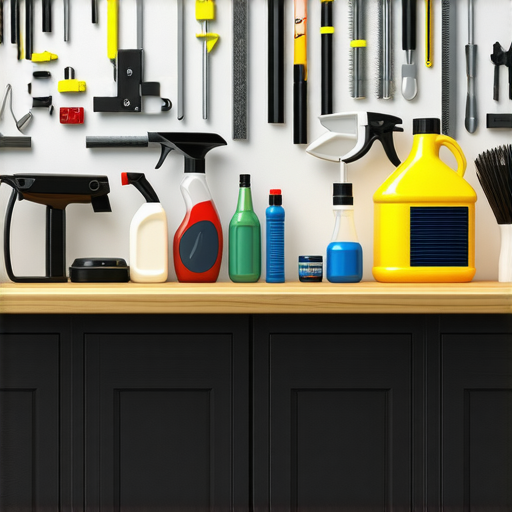
Start by selecting eco-friendly, high-quality car wash products such as 2026-approved low-water wash soaps and microfiber cloths. I vividly recall a morning when I grabbed a compact set of these supplies, including a 3-in-1 spray, a clay bar, and a microfiber mitt, which made the process seamless and reduced water usage.
Prepare Your Water and Environment
Use a dedicated wash bucket with a grit guard, filling it with just one gallon of water. Keep your car shaded to prevent quick water evaporation and streaks. As I learned in my first attempt, washing on a hot day without proper shade led to uneven drying, but planning beforehand saved me hours of correction work later.
Apply Water-Saving Techniques
Instead of hosing down the entire vehicle, use a spray bottle filled with a mix of water and detailing spray for targeted areas. Think of it like a painter carefully applying touch-ups rather than flooding the entire canvas. I remember meticulously spraying a stubborn spot on my door, then gently wiping with a microfiber mitt, which prevented water run-off and preserved my paint.
Use the Right Wash Mitt and Foam Cannon
Opt for a high-quality microfiber mitt that traps dirt particles without scratching. Attach a foam cannon to your portable pressure washer, using a specialized thick foam soap that clings to the surface. During one chilly morning, I used a foam cannon to coat my sedan, which not only saved water but also loosened grime more effectively than traditional methods.
Employ a Waterless Wipe Technique for Final Touches
Once you’ve rinsed the larger panels, switch to a waterless wipe method using a damp microfiber towel. Think of it as polishing a jewel; gentle and precise. I recall my first attempt on the hood was messy—I over-applied wax, which caused streaks. Refining my technique with controlled finger movements made a noticeable difference in the finish quality and minimized water use.
Dry and Protect with Caution
Finally, use a clean microfiber drying towel to eliminate remaining moisture. For added protection, apply a graphene spray for six-month durability. During my last attempt, a quick spray and buff left my car glossier and more protected than ever, all while using less than a gallon of water.
#{IMAGE_PLACEHOLDER_B#}Many DIY enthusiasts believe that buying the most expensive auto detailing products automatically guarantees a flawless finish, but in my experience, technique matters more than price. A prevalent myth is that all ceramic coatings are the same; in reality, selecting the right type—like those with proper UV resistance—can significantly impact longevity and protection, as supported by industry experts. One common mistake is rushing paint correction without proper lighting; advanced detailers use specialized swirl finder lights to accurately identify defects, preventing over- or under-polishing, a nuance often overlooked by beginners.
What advanced techniques separate top-tier detailers from amateurs when applying paint protection?
Mastering proper surface prep with deionized water and clay bars ensures a smooth base, maximizing protection and gloss, which is crucial for longevity. Many skip this step, risking adhesion failure or uneven coverage, especially when dealing with delicate clear coats. Investing in quality mobile detailing equipment, like dual-action polishers and professional-grade abrasives, can elevate your results, but only if used correctly—incorrect pressure or speed can retard progress or cause damage. Exploring these nuances is vital; for instance, understanding the differences between ceramic and graphene coatings helps in choosing the right solution for hot or humid climates, as detailed professionals advise. Engaging with local West Los Angeles detailing supplies stores can provide access to high-end products and personalized advice, avoiding the trap of using generic products that don’t meet high standards. Remember, achieving professional-level results isn’t just about the right products—it’s about understanding their proper application and nuances. Have you ever fallen into this trap? Let me know in the comments.
Investing in the Right Equipment
To maintain professional-quality results over time, choosing the right tools is paramount. I personally swear by a dual-action polisher like the Griot’s Garage Wireless 6″ Polisher, because its variable speed settings allow precise control during paint correction, reducing the risk of swirl marks. For detailing at home or on the go, a portable, high-quality foam cannon such as the AR Annovi Reverberi pressure washer attachment ensures a thick, clingy foam layer that softens dirt without excessive water use. Additionally, a reliable detailing steam cleaner helps loosen grime in hard-to-reach areas—my favorite is the McCulloch MC1275—the steam’s versatility warrants its regular use for interior and engine bay cleaning. Regularly updating these essential tools guarantees consistent, high-quality results, whether for personal use or professional services.
Maintaining Your Equipment for Peak Performance
Proper maintenance extends the lifespan of your detailing investments. Rinse your microfiber towels after each session with a pH-balanced detergent like the pH-balanced cleaning solution to prevent fiber degradation. For power tools and polishers, apply a few drops of light machine oil on the bearings and ensure dust ports are clear—this prevents overheating and wear. Regularly inspect and replace worn-out pads or brushes; I keep a set of backups for my rotary buffer to avoid downtime during projects. These habits maintain equipment efficacy, saving money long-term and ensuring every detailing job is performed with top-tier tools.
Syncing Tools with Modern Automotive Care Trends
As auto detailing technology continues advancing, staying current with equipment is vital. The trend towards eco-friendly, water-saving tools is clear, so I recommend testing out high-efficiency, waterless rinse kits paired with advanced rinseless wash products. Future innovations are heading towards AI-assisted detailing systems that monitor paint health in real-time, allowing for precise correction and protection. Keeping your toolkit up-to-date not only improves results but also aligns your skills with industry standards, preparing you for the evolving landscape of car care.
How do I maintain my tools over time?
Consistent maintenance routines involve cleaning your equipment immediately after use, storing devices in dry, dust-free environments, and conducting periodic performance checks. For example, applying a silicone lubricant to moving parts of your polisher prevents rust, while deep-cleaning your steam cleaner prevents mineral buildup—see guidelines outlined in expert manuals like those from industry-leading sources. Plus, calibrate your polishing machines regularly to ensure even application and avoid damaging your paint. Embracing these maintenance habits sustains the efficiency of your tools and guarantees professional results every time. I highly recommend trying the advanced tip of upgrading to a dual-care system: combining a high-end polisher with a steam cleaner for comprehensive cleaning and correction phases. This combo has transformed my approach and could do the same for you.
Embarking on the journey of minimal water car detailing reveals that innovation and patience often outperform traditional methods. It’s about redefining what’s possible with less water, more technique, and a genuine care for your vehicle’s finish. As I’ve learned through my experiences in West Los Angeles, the most rewarding results come from embracing new methods and continuously refining your craft.
Lessons That Changed My Perspective on Waterless Car Care
- Less is more, but only when you know the right techniques. The common mistake was rushing through steps, thinking more product or water meant cleaner results. It’s actually the finesse and precision—like when using a clay bar or applying a graphene spray—that truly elevate your work.
- Your environment plays a crucial role. Washing in direct sunlight or during peak heat causes streaks and uneven drying. Shade and temperature awareness ensure a flawless, streak-free finish, which I experienced firsthand during a scorching summer afternoon in LA.
- Quality tools matter just as much as quality products. Investing in microfiber mitts, sprays, and drying towels that are designed for low-water use doesn’t just save water—it transforms your entire approach to detailing, making every step more effective.
- Consistency beats complexity. Developing a routine with limited water and sticking to it consistently yields better results than complicated multi-step processes that waste resources and time.
- Community knowledge accelerates learning. Connecting with local West Los Angeles detailing shops and forums opened my eyes to advanced techniques and trusted product recommendations I wouldn’t have discovered alone.
Tools That Keep My Detailing Shop Ahead of the Curve
Building a kit with reliable and innovative tools is essential. I rely heavily on a dual-action polisher like the Griot’s Garage Wireless 6″ Polisher for precision correction. For rinseless washes, a high-quality rinseless wash kit combined with a steam cleaner like the McCulloch MC1275 has become indispensable. These tools, paired with products like 2026 graphene sprays, allow me to achieve professional results without excess water or harsh chemicals. Regularly maintaining and upgrading my equipment ensures longevity and top-tier performance, crucial for staying ahead in this evolving industry.
Believing in the Power of Small Changes for a Greener Future
The shift to low-water and waterless detailing isn’t just a trend—it’s a necessity. Small adjustments, like choosing eco-friendly products or adopting targeted spray techniques, collectively make a significant impact. I encourage you to see each car as a canvas—an opportunity to showcase that innovation, when combined with skill and passion, produces stunning results. The future of car detailing is eco-conscious, efficient, and incredibly rewarding. Now, it’s your turn to embrace these methods and redefine what’s possible with your vehicle care routine.
What Unexpected Challenges Have You Faced When Going Waterless?
Sharing your experiences can inspire others to push boundaries and refine techniques. Have you ever struggled with specific paint types or environmental conditions? Let me know below, and let’s keep this conversation driving forward!
About the Author
Timothy Carr
Tactical Vehicle Training, Sales Support, and Parts ...
Timothy Carr is a seasoned professional with a diverse background in tactical vehicle training, parts management, and safety branding. Having managed critical aspects of branding and safety programs for the United States Army in Kuwait, Timothy brings a unique, high-stakes perspective to the world of vehicle maintenance and care. His extensive experience in tactical vehicle operations and sales support provides him with a deep understanding of the technical requirements and high-performance standards necessary for maintaining vehicles in demanding environments. At cardetailingservicesupplies.com, Timothy leverages his expertise in vehicle parts and safety protocols to provide authoritative insights into the best practices for car detailing and supply management. His professional history in designing safety programs and managing complex vehicle logistics ensures that his advice is both practical and grounded in rigorous standards. Timothy is dedicated to translating his high-level technical knowledge into accessible, actionable advice for car enthusiasts and professional detailers alike. He is passionate about helping others achieve excellence in vehicle maintenance and ensuring that every car receives the professional care it deserves to perform at its best.
LinkedIn Profile