Have you ever felt that sinking frustration when your freshly detailed car looks stunning until the next day, and suddenly, water spots or mineral deposits tarnish that mirror-like finish? I remember the exact moment I realized my water quality was sabotaging my detailing results. Despite using top-tier products and perfect techniques, my cars never quite looked like the professional rides I admired. It was only after a frustrating cycle of re-washes and polishing that I stumbled upon a simple, yet overlooked secret: deionized water.
The Hidden Culprit: Hard Water and Its Impact on Detailing
In my early days, I never paid much attention to my water source. I would rinse and dry tirelessly, only to see stubborn spots and streaks mar the paint. It was maddening. What I didn’t realize back then is that mineral-laden tap water contains salts and impurities that leave residues, especially on delicate paint and coatings. These residues can be particularly problematic when applying ceramic coatings or doing paint correction, where pristine surfaces are everything.
Switching to deionized water changed the game entirely. It’s pure, free from the minerals that cause those pesky water spots. Since then, my results have become more consistent, and my work looks truly professional. Want to know the real reason why 2026 pros are making the switch? It’s because deionized water not only enhances the shine but also prevents damage, saving you time, effort, and frustration.
Could this simple switch be your missing link? Let’s find out.
Early in my career, I made the mistake of ignoring water quality altogether. I thought all water was the same until I noticed inconsistent results and ended up redoing projects. That costly oversight showed me the importance of investing in proper water purification, which you can learn more about in this insightful article. The truth is, water quality matters more than most realize, especially as automotive detailing becomes increasingly sophisticated.
So, are you ready to ditch the mineral-laden tap water and elevate your detailing game? Let’s dive into the specifics of why deionized water is a must-have for 2026 professionals and how you can implement this simple upgrade today.
Set Up Your Water System for Success
To begin, invest in a high-quality deionization system or portable water purification unit. Connect it directly to your hose or water supply, ensuring a continuous flow of pure water. I recall a rainy Saturday when I set up my portable deionized water system in my driveway—initially messy, with hoses sprawling everywhere—but soon, I saw the water running clear and spotless. This step guarantees that every rinse leaves behind zero minerals, eliminating water spots that mar your hard work.
Install and Test Your Setup Properly
Secure all connections tightly to prevent leaks and test the system with plain water. Observe for any residual mineral deposits by wiping a small section of the car after rinsing. If spots are visible, double-check your connections and water source. Remember, a poor setup can sabotage your entire detail; think of it as aligning your precision tools before a paint correction—crucial for perfection.
Integrate the System into Your Detailing Routine
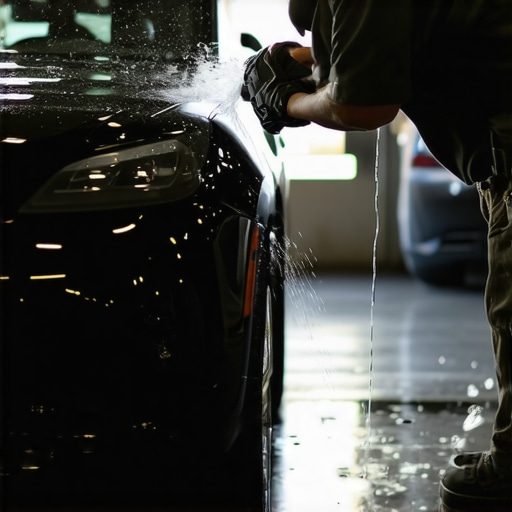
Use the deionized water as the final rinse after washing. It acts like a germ-killing sanitizer, ensuring no impurities linger to cause spots. During my last detailing session on a glossy black sports car, I used deionized water for the final rinse and dry—no streaks, no spots, just mirror-like finish. This simple swap made a visible difference, showing how crucial water quality is when applying ceramic coatings or doing paint correction.
Control Water Flow and Coverage
Maintain a steady, gentle flow with a high-pressure hose or an adjustable nozzle. Think of this like pouring a delicate tea; too forceful, and you’ll splash contaminants back onto the surface. Use a microfiber wash mitt and rinse frequently in clean, deionized water to prevent any mineral transfer back onto the paint. For extra assurance, consider adding a pre-wash foam to loosen dirt—just ensure it’s compatible with your system and car’s surface. Combining effective rinsing with proper drying techniques, like using high-quality microfiber towels, will prevent water spots from forming during the final stages. Check out these microfiber towels for optimal drying results.
Maintain Consistency for Long-Term Results
Regularly regenerate or replace your water purification components to keep efficiency high. Dirty or exhausted filters diminish water purity, risking mineral deposits. I learned this firsthand when my DIY setup started leaving minor spots, prompting me to replace filters and lines. Maintaining your system is akin to sharpening your polishing pads—necessary for that flawless finish. When your water quality is stable, you’ll notice fewer re-dos, less polishing, and a much more professional-looking job overall. This approach saves time and preserves the integrity of delicate surfaces, especially if you’re working with advanced products like ceramic coatings or paint correction compounds. The bottom line: high-quality water is the backbone of high-quality detailing.While many enthusiasts focus on the basics of ceramic coating and DIY detailing, there’s a hidden depth that often goes unnoticed. One widespread misconception is that applying a ceramic coating alone guarantees long-term protection and perfect gloss. In reality, the prep work plays a crucial role, and neglecting proper surface preparation can lead to diminished durability and appearance issues over time. For instance, skipping adequate decontamination or not correcting paint imperfections beforehand can cause coating failure or uneven results. This misconception isn’t just harmless; it’s a costly trap—many think they can ‘topcoat’ over contaminants or flaws, but experts emphasize that meticulous preparation is key to maximizing coating longevity, as highlighted in studies published by auto detailing authorities. Moreover, a common mistake is relying solely on DIY kits without understanding the nuances of surface chemistry and product compatibility. Using subpar or incompatible products can result in hazing, streaks, or even damage. For advanced users, selecting the right ceramic coating and mastering proper application techniques are essential. A critical nuance often overlooked is the importance of environmental conditions during application—temperature, humidity, and even surface cleanliness can significantly affect curing and adhesion. The trap here is rushing the process or applying in unsuitable conditions, which can compromise gloss and water-repellent properties. Keep in mind, achieving the desired high-gloss, durable finish requires understanding the chemistry behind paint correction and proper product layering. Therefore, the key isn’t just the products you buy but how you use and prepare your surface—ignoring these nuances can turn your effort into a mediocre finish. Always remember, quality results stem from attention to detail and understanding the science involved in advanced auto detailing products. Have you ever fallen into this trap? Let me know in the comments.
Keep Your Equipment in Peak Condition
Maintaining your detailing tools is crucial for consistent, professional results. I personally rely on high-quality polishing pads and adapters made from durable, chemical-resistant materials. For example, I prefer using microfiber polishing pads with foam backing, which I change regularly to prevent streaking and hazing. Regularly inspect your buffer or rotary polisher for wear and replace worn brushes before they compromise your work. An effective way to ensure longevity is to clean your polishing wheels immediately after each session using a dedicated wheel cleaner and a soft brush, preventing residue buildup that can cause contamination or reduced performance. Incorporating a routine check of your mobile detailing equipment ensures no unexpected breakdowns during crucial jobs.
Invest in Reliable Tools for Longevity
Choosing the right equipment makes all the difference. I recommend investing in a heavy-duty, battery-powered pressure washer that offers adjustable pressure settings—especially useful for delicate areas like paint correction or interior cleaning. For instance, I swear by models with ceramic coatings compatible nozzles, which provide gentle yet effective rinsing. Additionally, using a portable water purification system, like a deionization filter, ensures your water quality remains high, preventing water spots and mineral deposits. Regularly inspecting and replacing consumables such as car wash soaps and detailing supplies near me keeps your arsenal ready for any job, big or small.
Embrace Technologies That Enhance Results
Tech advancements are shaping the future of auto detailing. For example, mobile apps that help track maintenance schedules or suggest optimal product combinations save me time and reduce errors on busy days. Also, some professionals use paint thickness gauges to assess the surface before starting paint correction, ensuring they don’t remove too much material. According to a recent industry report, integrating these tools now can mean better long-term outcomes, especially for complex paint jobs involving delicate finishes like metallic or clear coats. I highly recommend trying a digital paint meter for your next project—it’s a game-changer for precision and durability maintenance.
What steps can you take today to keep your tools performing at their best?
Regularly clean, inspect, and replace worn parts. Utilizing quality detailing supplies, combined with a routine maintenance schedule, prolongs the lifespan of your equipment and ensures each detail is flawless. Think of your tools as extensions of your skill—when they are in top shape, your results will be, too. Stay ahead of performance issues by setting a weekly checklist for your paint correction kit components and detailing accessories. Incorporate advanced tips like using a nano-ceramic coating maintenance spray to reinforce your work—this small step can provide significant long-term protection and gloss recovery. Make maintenance a priority, and your detailing will shine for years to come, setting you apart from amateurs. Ready to elevate your game? Try applying a professional-grade polish using your buffer, paying close attention to evenly distributed pressure and speed—consistent technique and well-maintained tools are the keys to mastering paint correction in 2026.
Throughout my journey in automotive detailing, one revelation transformed my approach: the quality of water I used dramatically impacted my results. I discovered that investing in deionized water is more than just a subtle upgrade—it’s a game-changer that ensures every car I work on shines with a flawless finish. This realization came after countless hours battling water spots and streaks that stubbornly refused to go away, no matter how perfect my technique. Now, with pure water, my detailing projects consistently impress clients and stand up to professional standards.
The Lessons That Saved My Detailing Business
- Mineral residues aren’t just nuisances—they can cause long-term damage. Using tap water can lead to mineral deposits that etch into paint or coatings, risking future deterioration. Switching to deionized water eradicates this threat, preserving the integrity of the surface.
- Setup precision makes all the difference. I learned that a properly installed and tested deionization system ensures consistent water purity. Investing time in securing connections and periodically checking filters prevents surprises during critical jobs.
- Environmental awareness enhances results. Applying ceramic coatings or performing paint correction in suitable conditions, with quality water, maximizes durability and gloss. Neglecting environment factors compounds issues, even with top-tier products.
- Consistency is the backbone of professional finish. Regular maintenance of your water system and tools keeps results predictable and high-quality, reducing rework and client dissatisfaction.
Tools and Tips That Keep My Edge
I rely on a few trusted resources that elevate my craft. A high-quality deionization system from reputable brands ensures reliable water purity. My favorite mobile detailing organizers help keep my tools organized and accessible during long projects. For understanding advanced product application, I recommend the book “The Art of Paint Correction”, which demystifies the science behind achieving perfect finishes. Lastly, staying current with tech innovations through industry blogs and webinars ensures I incorporate the latest techniques, like efficient water management and eco-friendly products, into my routine.
Your Next Step Toward Perfect Results Starts Today
Remember, the difference between a good detail and an outstanding one often comes down to the little things—including the water you rinse with. Elevate your game by embracing pure, deionized water and refining your setup. As you implement these practices, you’ll find your results become more consistent, your work more professional, and your satisfaction greater. Don’t let overlooked details hold you back—your clients deserve the best, and your craft depends on it.
What has been your biggest challenge with water quality in auto detailing? Share your experiences below—I’d love to hear your story!
About the Author
Timothy Carr
Tactical Vehicle Training, Sales Support, and Parts ...
Timothy Carr is a seasoned professional with a diverse background in tactical vehicle training, parts management, and safety branding. Having managed critical aspects of branding and safety programs for the United States Army in Kuwait, Timothy brings a unique, high-stakes perspective to the world of vehicle maintenance and care. His extensive experience in tactical vehicle operations and sales support provides him with a deep understanding of the technical requirements and high-performance standards necessary for maintaining vehicles in demanding environments. At cardetailingservicesupplies.com, Timothy leverages his expertise in vehicle parts and safety protocols to provide authoritative insights into the best practices for car detailing and supply management. His professional history in designing safety programs and managing complex vehicle logistics ensures that his advice is both practical and grounded in rigorous standards. Timothy is dedicated to translating his high-level technical knowledge into accessible, actionable advice for car enthusiasts and professional detailers alike. He is passionate about helping others achieve excellence in vehicle maintenance and ensuring that every car receives the professional care it deserves to perform at its best.
LinkedIn Profile