
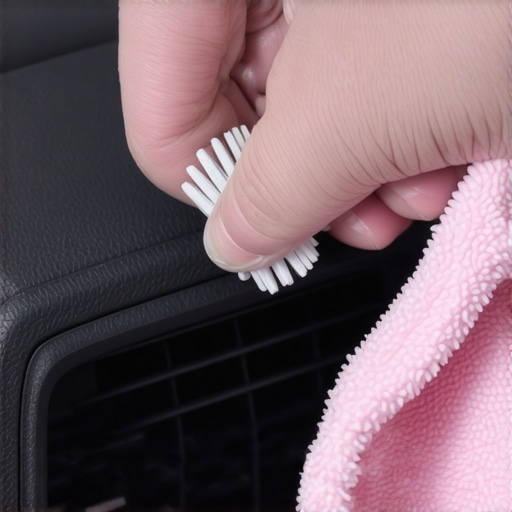
It was a typical Saturday morning when I finally decided to give my car a proper cleaning. As I reached for the dashboard vents, a tiny gasp escaped me—those delicate slats looked like they’d been through a sandstorm. A few years ago, I learned the hard way that even gentle scrubbing can turn these tiny grilles into scratched eyesores. That lightbulb moment changed everything for me, and I knew I had to figure out how to clean those vents without causing damage.
Why Cleaning Dashboard Vents Safely Matters More Than You Think
The dashboard vents are probably the dirtiest parts of your car that you rarely think about. Dust, pollen, and even mold can accumulate in these tiny slats, impacting your air quality and the overall look of your interior. Regular cleaning keeps your car feeling fresh and can even extend the lifespan of your vents—if you do it right. But here’s the catch: these vents are so delicate that even mild scratches can ruin their appearance. A scratched vent can make your dashboard look old, scratched, and neglected. So, what’s the secret to keeping them spotless without destruction?
Are You Falling for Common Cleaning Mistakes?
Early in my experience, I thought just tossing a damp cloth over the vents would do the trick. Turns out, I was unknowingly causing tiny scratches that accumulated over time. A mistake many make is using abrasive cleaners or rough cloths, thinking they are cleaning more effectively. Trust me, I learned this the expensive way. If you’d like some expert tips to avoid these pitfalls, check out [this guide](https://cardetailingservicesupplies.com/how-to-clean-2026-vegan-leather-seats-without-discoloration) to keep your car’s interior in top shape.
Understanding the proper techniques and tools isn’t just about aesthetics; it directly affects your car’s interior health. Now, let’s delve into proven methods that will help you restore those vents safely, saving you time and money in the long run.
Start with the Right Tools and Preparation
Before you even get close to those delicate vent slats, gather your essential supplies. Use a high-quality microfiber brush or a soft detailing brush—think of it as a gentle paintbrush for your car’s interior—to loosen dust without scratching the surface. Have a can of compressed air handy, like a mini tornado, to blow out stubborn debris from hard-to-reach areas. Also, prepare a cleaning solution specifically designed for interior plastic and vents—avoid harsh chemicals. Remember, using a mild cleaner paired with proper tools ensures safe, effective cleaning without damaging the vents.
Apply Primer and Loosen Dust
Start by lightly spraying compressed air into the vents to dislodge loose dust particles—this step prevents pushing dirt deeper into the slats. Then, lightly mist your microfiber brush or a soft, damp cloth with the cleaning solution. Use gentle, sweeping motions to wipe along the slats, mimicking the motion of a painter delicately working on a canvas. Do not press hard; pressing is like using a sledgehammer on a glass sculpture—you’re risking scratches and damage. During my first attempt, I accidentally used too much force and left minor scratches, which I had to buff out later—so patience and light strokes are key.
Deep Clean with Precision
For stubborn grime, employ a narrow detail brush or a custom-interior toothbrush. Think of this as a precision tool, similar to a dentist’s scaler, designed to reach into tight spaces without harming the surface. Dab the brush into your cleaning solution and gently wiggle it between the slats, ensuring every bit of dirt is loosened. When I cleaned my vents, I used a small detail brush and worked systematically from one end to the other—this micro-focused approach made the process faster and prevented accidental scratches.
Wipe and Dry for a Flawless Finish
Once dust and dirt are loosened, use a dry, clean microfiber cloth to wipe away residual particles and excess cleaner. Drying is crucial because moisture can settle into the vents, creating an environment for mold or dust buildup over time. To make the job easier, I employed a microfiber towel with excellent water-holding capacity, which I found in my [DIY car detailing kit](https://cardetailingservicesupplies.com/5-diy-car-detailing-kits-for-2026-new-suv-protection). This method ensures a streak-free, pristine look that enhances the entire interior appearance.
Final Touches and Protection
To keep vents looking new longer, consider applying a specialized protectant—something like a plastic trim restorer or a ceramic-enhanced interior spray—often available in a [car detailing supplies near me](https://cardetailingservicesupplies.com/5-detailing-supplies-near-me-for-2026-modern-rv-care). These products form a protective barrier, guarding against dust, UV rays, and minor scratches. During my last cleaning, I applied a light mist of a ceramic interior protectant, which not only revived the vents’ appearance but also made future cleaning easier. Remember, using the right products and techniques prolongs the life of your vents and keeps your cabin looking fresh.Many car enthusiasts and professionals alike fall prey to misconceptions about paint protection, car wash soaps, and detailing supplies. While surface-level understanding is common, the true nuances often escape even seasoned detailers. For example, a widespread myth is that applying any ceramic coating will instantly grant your car lifelong protection. In reality, ceramic coatings require proper maintenance and specific surface preparation to achieve optimal durability. Skipping these steps—even with high-quality products—can lead to disappointing results and premature wear.
Are You Choosing the Right Products for Your Vehicle’s Specific Needs
It’s tempting to buy the latest car wash soap or grab detailing supplies near me without considering compatibility with your paint type or existing coatings. Using abrasive or incompatible substances can strip or damage your finish, negating any protective benefits. A common mistake is relying solely on aesthetic enhancements like gloss or slickness, which often only mask underlying issues. Experts emphasize that true protection involves a combination of correct application techniques, surface prep, and understanding product limitations. Studies have shown that improper application can reduce ceramic coating lifespan by up to 50%, highlighting the importance of mastering these details. Additionally, many overlook the significance of proper paint correction before applying protective layers. Failing to address minor scratches or imperfections first means you’re sealing in flaws, undermining your investment and aesthetic goals. When shopping for detailing products, do your research—professional-grade compounds and pads can make a significant difference in achieving a flawless finish. For instance, using a suitable buffing compound like those recommended in our guide on [3 Best 2026 Buffing Compounds for Deep Scratches](https://cardetailingservicesupplies.com/3-best-2026-buffing-compounds-for-deep-scratches) ensures effective correction without damaging the paint. Remember, tackling these nuanced details elevates your detailing game from basic to expert. Have you ever fallen into this trap? Let me know in the comments. Proper application and knowledge are your best allies in maintaining a pristine vehicle exterior.
Tools That Deliver Professional Results
When it comes to keeping your vehicle looking its best, investing in the right tools makes all the difference. I personally swear by my cordless dual-action polisher, which offers the power needed for paint correction but also the finesse for delicate surfaces. Its variable speed controls allow me to switch from light polishing to aggressive correction seamlessly, especially when addressing imperfections like swirl marks. Additionally, a set of high-quality microfiber buffing pads, such as the 3-best-2026-buffing-pads-for-compound-cutting, ensures even application and reduces the risk of introducing new scratches. For stubborn contaminants, I rely on a dedicated clay lubricant in my clay bar kit to prevent marring, as detailed in our comprehensive guide on maximizing gloss with clay bars. These tools combined create a workflow that enhances long-term protection and appearance.
Software and Techniques That Boost Longevity
Beyond physical tools, using specialized software for tracking maintenance schedules can keep your car in top shape. I utilize an app that logs each detailing session, scheduling reapplication of products like ceramic spray waxes and inspecting for wear. Regular washing with cermaic wash soaps, found in our recommended products, is crucial for long-term protection, especially in environments with high road salt exposure. I also recommend periodically checking your ceramic coatings’ condition and reapplying with a product like the 3-best-2026-ceramic-wash-soaps-for-maintenance to maintain that factory-fresh look. Remember, consistent maintenance proves more effective than sporadic deep-cleaning sessions.
How do I keep my detailing supplies and equipment in top shape over time?
The key lies in proper storage and cleaning. Mobile detailing carts, such as the 4-mobile-detailing-carts-for-2026-workshop-organization, help organize everything from brushes to sprays, preventing contamination and damage. After each use, clean your tools with a dedicated microfiber cleaning solution to remove residual product or dirt, and store pads and brushes in airtight containers to avoid dust accumulation. Regularly inspecting and replacing worn-out equipment keeps your workflow efficient. For sensitive items, I suggest using a detailing vacuum like the 4-best-detailing-vacuums-for-2026-pet-hair-removal to keep interior tools free from debris. Proper maintenance of your equipment not only extends its lifespan but also ensures consistent results every time.
The Future of Car Maintenance Tools
Expect smarter, more integrated solutions on the horizon. Wireless, app-controlled polishers and autonomous cleaning robots are beginning to revolutionize how detailers approach long-term care. As technology advances, staying updated with the latest innovations—like those described in the latest industry outlook—will give you an edge in both efficiency and quality. Don’t miss the chance to try out the latest in ceramic coating maintenance with tools that monitor coating thickness and alert you when reapplication is necessary. For now, focusing on reliable, proven equipment will serve you well as these emerging technologies become mainstream.
Mastering the Art of Gentle Detailing: The Hidden Power of Microfiber Tools
One lightbulb moment I had was realizing that the key to preserving delicate vent slats was choosing the right tools. Microfiber brushes and cloths aren’t just soft—they trap dust effectively without scratching surfaces. Using high-quality microfiber tools regularly has transformed my approach to interior cleaning, making process safer and results more consistent. Trust me, switching to the right tools is worth every penny.
The Cost of Cutting Corners: Why Quick Fixes Often Backfire
I used to think that scraping away grime with rough cloths saved time. But that backfired with tiny scratches that marred the vents’ look for months. Now, I understand that investing a few extra minutes with gentle cleaning solutions + proper tools prevents costly repairs later. Skimping on care always costs more in the long run, especially when it comes to fine interior details.
Beyond Appearance: Preserving Your Vehicle’s Air Quality and Value
Cleaning vents isn’t just about looks—dust, pollen, and mold can accumulate, affecting air quality and your health. Regular, careful cleaning helps maintain a healthier cabin environment and preserves the interior’s resale value. Incorporating these lessons into your routine keeps your vehicle performing at its best, inside and out.
Where Experience Meets Resources: My Go-To Guides and Products
For anyone serious about maintaining their car’s interior with precision, I’ve relied heavily on trusted resources. The detailed guides on [how to fix orange peel without a body shop](https://cardetailingservicesupplies.com/how-to-fix-2026-orange-peel-without-a-body-shop) and product recommendations like [buffing compounds](https://cardetailingservicesupplies.com/3-best-2026-buffing-compounds-for-deep-scratches) have been game-changers. Investing in quality tools and educational content elevates your detailing game from amateur to pro.
Your Turn to Elevate Your Detailing Knowledge
Now that you’ve learned the nuances of safe and effective vent cleaning, it’s time to implement these techniques and protect your investment. Remember, mastery comes with practice and patience. Your vehicle’s interior can look as stunning as the day you bought it—are you ready to take the next step in your detailing journey?
Have you ever struggled with the right tools or methods for cleaning delicate vents? Share your experiences below—I’d love to hear what worked (or didn’t) for you!
,
About the Author
Timothy Carr
Tactical Vehicle Training, Sales Support, and Parts ...
Timothy Carr is a seasoned professional with a diverse background in tactical vehicle training, parts management, and safety branding. Having managed critical aspects of branding and safety programs for the United States Army in Kuwait, Timothy brings a unique, high-stakes perspective to the world of vehicle maintenance and care. His extensive experience in tactical vehicle operations and sales support provides him with a deep understanding of the technical requirements and high-performance standards necessary for maintaining vehicles in demanding environments. At cardetailingservicesupplies.com, Timothy leverages his expertise in vehicle parts and safety protocols to provide authoritative insights into the best practices for car detailing and supply management. His professional history in designing safety programs and managing complex vehicle logistics ensures that his advice is both practical and grounded in rigorous standards. Timothy is dedicated to translating his high-level technical knowledge into accessible, actionable advice for car enthusiasts and professional detailers alike. He is passionate about helping others achieve excellence in vehicle maintenance and ensuring that every car receives the professional care it deserves to perform at its best.
LinkedIn Profile