I remember the moment vividly—driving down my favorite scenic route, feeling the sunshine and the breeze, when I spotted that telltale white splatter on my car’s pristine hood. At first, I thought, “No big deal, I’ll wash it off during my next wash.” But as I reached for my favorite car wash soap, a sinking feeling hit me—what if that stubborn bird droppings had already begun etching into my paint? That lightbulb moment made me realize: not all bird droppings are created equal, and some can cause irreversible damage faster than you think.
Why Bird Droppings Pose a Serious Threat to Your Car’s Finish
Bird droppings are more than just an unsightly nuisance—they can be a sneaky enemy to your car’s paintwork. Those little deposits contain acids and other corrosive elements that, if left untreated, can etch into the clear coat, leaving permanent spots that ruin your car’s appearance. What’s worse? A lot of the DIY cleaning methods we use can unintentionally make things worse. I learned this the hard way early in my detailing journey, when I scrubbed too aggressively with popular products and ended up with more damage than before.
That’s why I want to share my experiences and insights—so you can avoid the common pitfalls and tackle bird droppings effectively. We’ll explore proven techniques that help you keep your vehicle looking its best, without risking those nasty paint etches.
Is Quick Removal Enough, or Is There a Better Way?
Many folks rush to wipe off bird droppings with their regular wash mitts, thinking time is of the essence. While quick action helps, the real key lies in using the correct tools and methods designed to protect your paint. My early mistake was relying solely on general-purpose cleaners—resulting in more scratches and less shine. Trust me, understanding the science behind safe removal makes all the difference. For detailed guidance, check out how to remove water spots safely from sensitive paint, which shares some similar principles.
Now, with the right knowledge, I approach bird droppings as just another part of my detailed routine—another opportunity to maintain that mirror-like finish. Ready to learn the best practices? Stay tuned—next, we’ll dive into the step-by-step process to remove those pesky droppings without any etching or damage. And if you’re facing stubborn stains, you might want to explore specific products such as eco-friendly cleaning solutions or clay bars that can make your job easier.
Prep Your Workspace for Safe Bird Dropping Removal
Start by parking your vehicle in a shaded area to prevent soap from drying too quickly, which can cause streaks. Gather the right supplies: a high-quality micro-fiber microfiber microfiber mitts (like those found here), a pH-balanced car wash soap, and a gentle detailing spray. Lay out your supplies on a clean surface and ensure your hands are clean to prevent scratching.
Use the Correct Tools for Gentle Removal
Step 1: Soften the Droppings
Spray the bird droppings generously with a dedicated quick detailer or a detailing spray that’s designed for delicate paint. My experience with a light mist of eco-friendly waterless wash spray dramatically softened stubborn deposits, reducing the risk of scratching during removal. Let it sit for at least 2-3 minutes, allowing the acids to neutralize and the droppings to loosen.
Step 2: Gentle Wiping Technique
Pick up your microfiber mitts, dipped in a bucket of soapy water formulated specifically for cars. Make sure to regularly rinse your mitt to avoid dragging dirt across the paint, which can cause micro-marring. Use light, overlapping strokes to lift the softened droppings away. Think of it like patting your car rather than wiping aggressively — this minimizes paint damage.
Avoid Common Pitfalls That Damage Paint
Never scrub vigorously or use harsh brushes, as those can etch into your clear coat. I once tried to scrub off a particularly stubborn bird dropping with a rough sponge, and I ended up with a visible etch—lesson learned. Instead, if some residues remain, reapply the spray and repeat the gentle wiping. Preventative measures like applying a ceramic coating (learn how to maintain ceramic coatings here) can create a protective barrier, making future removal easier.
Use Proper Rinsing and Drying Methods
After removing the droppings, thoroughly rinse the area with softened water or a damp microfiber towel. This step washes away any residual acids and particles. Follow up with a quick dry using a plush, dry microfiber towel to prevent water spots, especially on sensitive finishes. For extra gloss, consider applying a detail spray or quick glaze, which can add a slick surface and repel future contamination.
Addressing Stubborn Spots Without Damage
If stubborn stains persist, move on to using a clay bar, which is like a fine abrasive sponge that lifts contaminants without harming paint. Lightly lubricate the surface with clay lube, then glide the clay pad over the area with gentle pressure. This method is safe and effective for removing embedded residues, as long as you keep the surface well-lubricated. Check out paint correction pads for options if polishing becomes necessary, but only for deep etchings or damage.
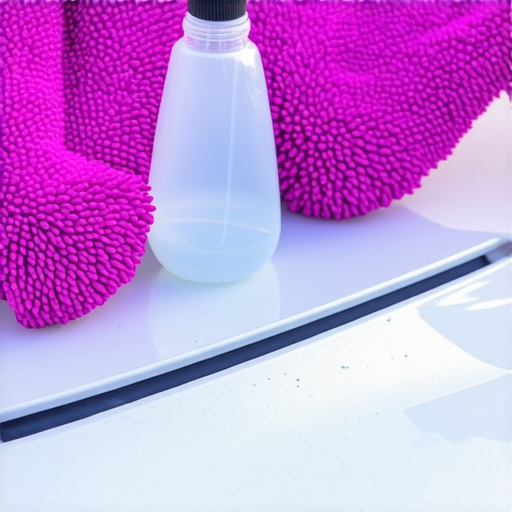 While many assume that choosing the cheapest or most popular car wash soap guarantees the best results, this is a misconception that can lead to unintended damage. In my experience working with professional-grade auto detailing products, I’ve observed that not all formulas are created equal—some contain harsh detergents or ingredients incompatible with specific paint types, especially delicate finishes like satin or matte coatings. This oversight often results in microabrasions or dullness, underscoring the importance of selecting pH-balanced and paint-safe detergents tailored for advanced finishes. Additionally, many DIY enthusiasts overlook that the effectiveness of a product heavily depends on proper application techniques, such as using the right foam density and dwell time, rather than simply relying on product strength. A common mistake is using aggressive scrubbers or overwashing, which can strip protective layers like ceramic coatings if not done correctly. According to industry experts, employing specialized microfiber wash mitts and maintaining a gentle touch ensures contaminants are lifted without damaging the paint’s integrity. Moreover, the obsession with the latest or most expensive products often distracts from the foundational practices like proper rinsing, drying, and regular maintenance of tools, all of which significantly impact the longevity of your paint protection. Beware of falling for marketing hype—sometimes, a simple, well-applied polymer-based shampoo outperforms high-end exotic washes in preserving your vehicle’s finish. Don’t forget, the environment and your vehicle’s specific needs should guide your choice; for instance, eco-friendly options tend to be gentler but equally effective when used correctly. Remember, investing in quality car wash supplies and understanding their proper use can elevate your detailing game from amateur to expert. Have you ever fallen into this trap? Let me know in the comments.Maintaining high-quality results in car detailing hinges on having the right tools and a disciplined routine. One of my go-to investments is a premium set of microfiber wash mitts, such as the 3 best microfiber mitts for delicate paint. These mitts are gentle on sensitive finishes and maximize dirt lift, reducing micro-marring during washing. Additionally, I swear by a high-efficiency portable vacuum, essential for quick interior cleanups, especially when dealing with residual dust or pet fur. For protective coatings like ceramic, I rely on professional-grade sprayers, which ensure an even application and prevent overspray—a vital factor in achieving durable results. When progressing to paint correction, I emphasize the use of paint correction pads that are specifically designed for various clear coat types, allowing precise removal of imperfections. Leveraging these tools consistently helps maintain your vehicle’s shine long-term and makes future detailing sessions more efficient. As trends evolve, smart technology integration such as app-controlled sprayers and digital gloss gauges is on the rise, promising even greater control and precision. Reviews from industry insiders, like the comprehensive analysis in TechXplore, highlight how automation and automation-ready equipment will define the next wave of professional detailing. For anyone serious about long-term results, I recommend experimenting with a dedicated ceramic coating maintenance spray, like the 3 best maintenance sprays. Applying this every few months ensures that your protective layer remains intact and enhances water repellency. Remember, having the right equipment aligned with your cleaning routine minimizes errors and extends your vehicle’s showroom quality. Curious to elevate your detailing game? Try incorporating a high-quality, dedicated pad for paint correction into your next service—it makes a significant difference. For expert insight, additional details on maintaining high-tech paint finishes can be found in the referenced industry report, which I highly recommend reading to stay ahead in the game.
Lessons the Hard Way That Transform Your Car Care Routine
One of the most valuable lessons I learned early on was never to underestimate the corrosive power of bird droppings. I once attempted a quick fix with a generic spray, only to realize that without proper preparation, I was pushing the problem deeper into the paint. This experience taught me that patience and the right tools are crucial. I also discovered that applying an protective coating, like a ceramic layer, can significantly ease future cleaning efforts, saving time and preserving your vehicle’s finish. Finally, I found that inspecting your car regularly for fresh droppings prevents deterioration, emphasizing that proactive maintenance outshines reactive cleaning.