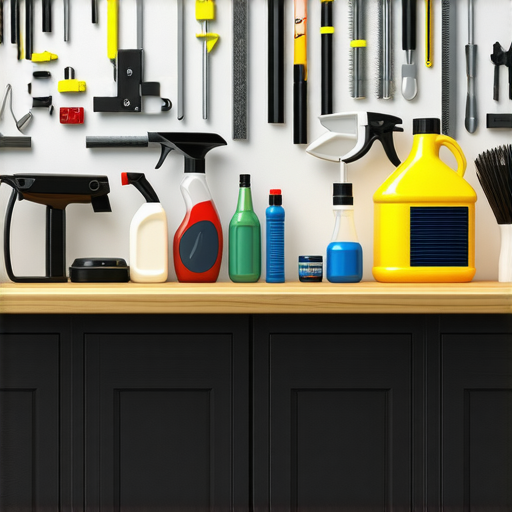
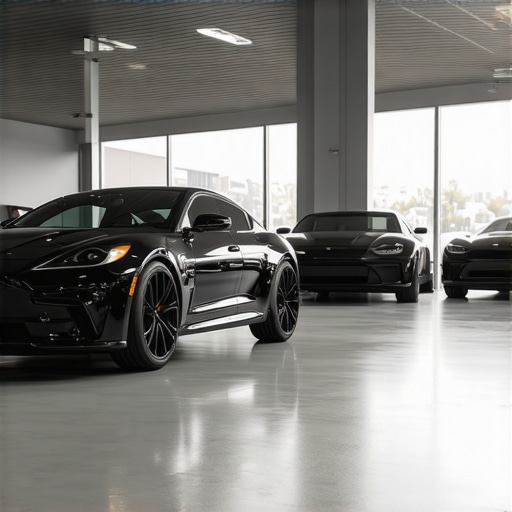
I remember the exact moment it hit me. I was crouched beside my car in my driveway, trying to buff out swirl marks with a rag that had seen better days. The sun was blazing, and frustration was bubbling up because, despite my best efforts, that glossy finish I yearned for just wouldn’t materialize. It was a lightbulb moment—my DIY efforts were falling short, and I wondered: Are professional ceramic coatings still worth the investment in 2026?
Why This Question Matters More Than Ever
As car enthusiasts in West Los Angeles, we all want that showroom shine—deep, durable, and head-turning. Over the years, DIY car detailing kits have become increasingly popular, promising professional-like results at a fraction of the cost. But the question is, can they truly match the performance and longevity of professional ceramic coatings? This isn’t just about aesthetics; it’s about protecting your investment from the harsh coastal environment, UV rays, and everyday wear. In recent years, advances in ceramic coating technologies and application techniques have made the choice even more nuanced. According to industry experts, a well-applied professional ceramic coating can last up to five years, providing superior protection compared to typical DIY options, which often fade much sooner. But is this extra durability and gloss worth the price tag? That’s what we’re going to explore today, sharing honest insights backed by experience and research.
Will DIY Kits Hold Up Against Professionals in 2026?
One thing I learned early on—cutting corners with cheap products or rushing the application process can lead to disappointing results. I once tried a DIY kit that promised a quick shine but ended up with streaks and uneven coating, forcing me to redo the entire process. A misstep like that can turn a simple task into a costly mistake. I wish I had known then what I know now—there’s no substitute for quality and proper technique. If you’re concerned about the durability of DIY kits compared to professional applications, you’re not alone. Many car owners face this dilemma, especially with the wide array of effective DIY kits available today. To make an informed decision, you need to understand what separates professional coatings from DIY options—and whether the difference justifies the price difference.
In the upcoming sections, I’ll walk you through the benefits of professional ceramic coatings, common pitfalls in DIY application, and tips for achieving that mirror-like finish, whether you choose to DIY or hire a pro. Ready to upgrade your car’s look and protection? Let’s get started!
,
Preparing Your Surface for Perfect Results
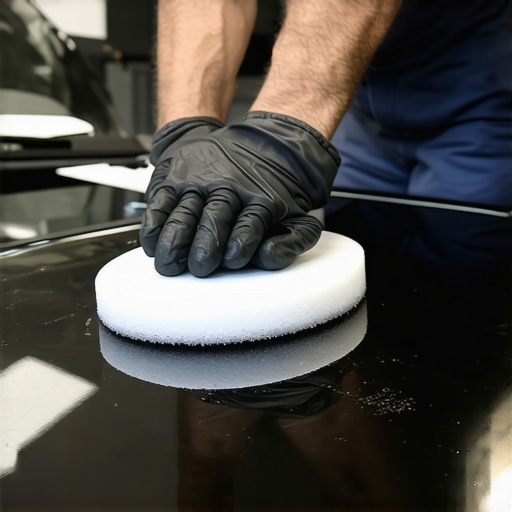
In my experience, the key to a flawless ceramic coating lies in thorough preparation. Begin by washing your car with a high-quality car wash soap designed to remove dirt, grease, and old wax. Use a microfiber mitt to prevent scratches and rinse generously to ensure no residue remains. Next, inspect the surface for imperfections; in my last project, I noticed swirl marks that needed correction. For that, I used a paint correction kit to restore clarity before proceeding. Properly prepping prevents contaminants from sealing within the coating, ensuring longevity and better shine.
#
Choosing the Right Application Tools
Applying ceramic coating isn’t just about the product; your tools matter equally. I recommend using professionally-grade applicator pads—these are soft, lint-free, and designed to hold a sufficient amount of coating. Once you have your tools, prepare your workspace in a dust-free environment, preferably indoors or in a garage with controlled airflow. Handling mobile detailing equipment like portable lights can help you see every inch clearly during the application. Remember, a steady hand and consistent pressure will lead to an even layer, preventing bubbles or streaks. I once used a disposable foam pad for a quick job, but experienced uneven spots that took extra time to fix—investing in quality tools pays off in professional results.
Applying the Coating in Controlled Steps
Divide your vehicle into sections—hood, doors, roof, etc.—to manage the application systematically. Pour a few drops of the ceramic coating onto the pad and work in a cross-hatch pattern: horizontal and then vertical passes. My last attempt involved rushing the process, which led to uneven coverage and excess product pooling, so I learned to apply thin, consistent coats. Wait for the recommended flash-off time—usually a few minutes—before buffing with a clean microfiber towel. This step helps remove any excess and smooths out the surface. Patience here ensures a glossy, bubble-free finish that lasts years, not months. For the best results, consider consulting premium paint protection supplies tailored for DIY enthusiasts.
Final Curing and Maintenance Tips
After applying, allow your vehicle to cure in a dust-free environment for at least 24 hours—better if longer. During this period, avoid washing or exposing the car to moisture. I once rushed this step, and the coating didn’t bond properly, leading to diminished durability. Once cured, maintain your finish by using a gentle car wash soap and soft microfiber cloths. Regular washes prevent dirt buildup, and applying a quick detailer every few months boosts gloss without compromising the coating. Remember, the proper technique and quality supplies make all the difference in achieving and maintaining that mirror-like shine.Many enthusiasts believe that simply grabbing any car wash soap or DIY detailing kit guarantees a perfect shine. However, there’s a hidden nuance many overlook: understanding the subtle differences in product quality and application techniques can make or break your results. For instance, using a generic or low-quality car wash soap might seem cost-effective, but it can strip existing coatings or leave residues that compromise the finish—especially if you’re using advanced paint protection products. In my experience, the biggest mistake is assuming all DIY car detailing kits are created equal.
A common myth is that professional-grade mobile detailing equipment automatically leads to superior results. While top-tier tools are essential, their effectiveness depends heavily on expert application and proper surface prep. Many car owners make the mistake of skipping crucial steps like thorough paint correction or precise surface cleaning before applying ceramic coatings, which significantly diminishes durability. It’s akin to painting on a canvas without priming—results will be uneven and short-lived.
**What advanced car owners should consider is this**: investing in quality auto detailing products doesn’t just improve appearance temporarily; it enhances protection against environmental hazards common in West Los Angeles, like coastal salt and UV damage. Moreover, understanding how different paint correction techniques interact with ceramic coatings is crucial for longevity.
A trap that even experienced detailers fall into is relying solely on surface cleaning and neglecting the importance of +properly pairing products. For example, using an incompatible combination of soap and sealant can lead to coating failure or reduced gloss. Remember, the right choice is often more nuanced than price; it’s about compatibility and technique.
**Engaging in deeper research pays off**. Check out expert sources and credible reviews to select best car wash soaps or ceramic coatings tailored for your specific needs. Remember, surface prep, product selection, and application method all intertwine to deliver that pristine, durable finish we all desire.
Now, have you ever fallen into this trap? Let me know in the comments.
Investing in Reliable Tools for Long-Term Care
One of the most crucial aspects of maintaining a professional-quality finish in car detailing is using the right equipment. I personally swear by my premium mobile detailing equipment, which includes dual-action polishers with variable speed controls. These tools grant me the precision needed to apply coatings evenly without risking surface damage. Additionally, a high-quality portable LED light helps reveal imperfections that can be missed otherwise, ensuring thorough correction before sealing the surface. Choosing durable, ergonomically designed tools doesn’t just streamline your workflow but also ensures consistent results over time, especially crucial when scaling your detailing business or maintaining multiple vehicles.
How do I maintain my detailing equipment over time?
Regular maintenance begins with thorough cleaning after each use—removing residual compounds, polishing pastes, or ceramic residues to prevent buildup. For tools like polishers and vacuums, lubrication per manufacturer instructions prolongs lifespan. Using protective covers or storing in climate-controlled environments prevents dust and moisture damage. Upgrading worn-out pads or brushes immediately maintains efficiency and prevents scratching surfaces. As technology advances, investing in newer, more efficient equipment can enhance your results noticeably, especially with breakthroughs like faster drying systems or new polishing compounds. For instance, recent innovations in car wash supplies integrate nanotech particles that extend the life of coatings, which underscores the importance of staying updated with industry tools.
Predicting future trends, I believe automated detailing systems combined with AI-powered diagnostics will become more accessible, allowing enthusiasts to achieve professional results independently. Staying proactive by regularly updating your toolkit and adhering to proper maintenance routines ensures longevity for your equipment and consistently stunning results for your vehicles.
Don’t hesitate—try implementing a scheduled deep-clean of your application tools this week. A simple step like that can significantly elevate your detailing game and prepare you for more advanced techniques, such as flawless paint correction or ceramic coating applications. Remember, top-tier tools and diligent maintenance are the foundation of a thriving auto detailing venture or a pride-worthy personal ride.
Over the years, I’ve discovered that the journey to a pristine, long-lasting shine isn’t just about having the right products—it’s about the mindset and techniques you bring to your car detailing routine. One hard-earned lesson was realizing that even the best DIY kits can fall short without proper surface preparation and application finesse. Trust me, cutting corners may save time or money initially, but it can cost you a lot in the durability and look of your finish. Learning to recognize quality tools and understanding their role in the process was a game-changer—investing in professional-grade equipment has made my work easier and results more consistent. And don’t overlook the importance of staying updated with latest car wash supplies; technology evolves rapidly, bringing better protection and efficiency. The greatest insight I’ve gained is that patience and attention to detail—especially during curing—are crucial for achieving that mirror shine that endures. So, immerse yourself in learning and refining your craft, because your vehicle deserves nothing less than professional-grade care, even if you choose to DIY in 2026.
Reading this post really struck a chord with me. I remember trying my hand at DIY ceramic coatings a few years back, thinking I could save money while achieving that perfect mirror finish. Initially, it seemed straightforward, but I quickly realized how much technique and quality tools matter. I especially agree with the point about surface prep—skipping or rushing this step can ruin your entire effort. Since then, I’ve invested in better applicator pads and a good LED light, which made a noticeable difference in the final look and durability.
From my experience, the longevity of a professional coating is unmatched, especially with the coastal salt and UV exposure here in West LA. I’m curious, for those who have both DIY and professional coatings on different cars, what has been your experience regarding long-term protection? Do you think the initial cost difference balances out with the results over several years? It’s an ongoing debate among enthusiasts, and I’d love to hear different perspectives—sometimes, I wonder if I should just bite the bullet and have my car coated professionally every few years for peace of mind.
Your post really hit home for me. After trying several DIY ceramic coatings, I’ve learned that technique and patience are everything. I remember rushing a few times, which resulted in streaks and uneven coverage that took double the effort to fix. What really changed my results was investing in quality applicator pads and taking the time to properly prep the surface—especially the paint correction phase. I’ve noticed that even the best DIY coatings tend to fade faster in coastal environments like West LA, where salt and UV damage are relentless.
Curious—has anyone here experimented with combining DIY coatings with professional-grade sealants or topcoats? I’ve read that layering products thoughtfully can sometimes mimic the durability of a professional coating at a lower cost. However, do you think the added complexity makes it worth it? Or does that just complicate things without significant benefits? I’d love to hear success stories or tips from those who’ve managed to extend the lifespan of DIY applications.
Reading this post really resonated with me, especially the part about surface preparation and choosing the right tools. I’ve been a DIY enthusiast for a few years now, and I can definitely attest to how crucial proper prep and quality supplies are. I once rushed through a coating application and ended up with uneven spots, which I had to redo, costing me more time and effort. Since then, I’ve invested in higher-grade applicator pads and a dedicated drying environment, noticeably improving my results.
One thing I’ve been curious about is whether layering a DIY ceramic coating with a topcoat or sealant really extends its lifespan and protection in a coastal environment like West LA. Has anyone experimented with this, and what were the results? I wonder if this approach offers a middle ground—saving money while still providing durable protection. Would love to hear some thoughts or experiences on this technique!