I’ll never forget the moment I looked at my shiny new EV, craving that mirror-like finish, only to notice a swirl pattern marring its pristine surface. It was like someone had taken a fine-grit sandpaper to my car’s clear coat overnight. Frustration set in—I’ve been there myself. Honestly, those tiny swirls can make even the most dedicated DIYer want to throw in the towel. But here’s the truth: you don’t have to be a professional detailer to fix them. I promise that with a bit of patience and the right approach, you can restore your car’s glossy finish right at home.
Why Swirls Happen and Why You Should Care
Swirl marks are essentially micro scratches that occur when dirt particles and debris are improperly cleaned or wiped across your car’s surface. Over time, these tiny imperfections accumulate, dulling your car’s shine and making it look aged or poorly maintained. Now, with new EVs like the 2026 models emphasizing a glassy, high-gloss finish, these swirls become even more glaring. Not only do they ruin your car’s aesthetic appeal, but they can also lead to more serious paint issues if left unaddressed. That’s why understanding how to effectively remove and prevent these swirls is vital for every car enthusiast and owner alike.
Early on in my detailing journey, I made a critical mistake—I used a cheap, overly abrasive pad on my first paint correction attempt. That only added more scratches instead of fixing the problem. It was a lesson learned, and now I know better. If you’re keen to keep that mirror shine and avoid damaging your paint further, sticking with proven, gentle techniques tends to yield the best results. Curious about the top supplies for achieving professional results? You might want to check out the best 2026 car wash supplies to start your journey.
What We Will Cover
Today, I’ll walk you through practical steps on how to remove those pesky clear coat swirls at home. From selecting suitable polishes to using the right tools, I’ll help demystify the process so you can confidently bring back that stunning finish. Think of it as giving your car a little spa day—without needing to be a pro. Ready to dive in and reclaim your ride’s brilliance? Let’s get started!
Is It Really Worth the Effort to Fix Swirls Myself?
Some skeptics wonder if tackling paint correction at home is worth it, fearing it might be more trouble than it’s worth or risking further damage. I get it. I remember my own hesitation early on. But trust me, with the right guidance and patience, DIY can be both satisfying and cost-effective. Just be aware—making mistakes is common without the proper knowledge. That’s why I recommend consulting detailed guides and perhaps even checking out expert tips, like those found in this comprehensive resource. Avoiding common pitfalls will save you time, money, and a lot of frustration in the long run. So, yes, fixing clear coat swirls yourself is totally doable—and rewarding! Now, let’s explore how to do it the right way.
Select the Right Tools and Supplies
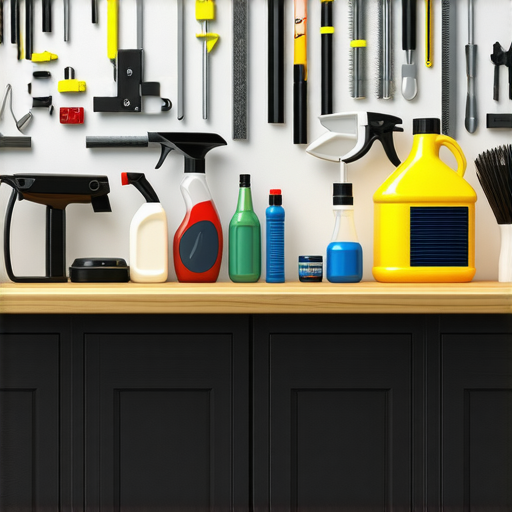
Start by assembling the essential gear for effective paint correction—think of it like gathering your toolkit before a DIY project. I recommend choosing a dual-action polisher, which is like a gentle giant, reducing the risk of burning through your clear coat. Pair it with a microfiber polishing pad, similar to a soft pillow for your car’s surface, to avoid introducing new scratches. Stock up on high-quality paint correction compounds, which act like a fine abrasive peel—removing the micro scratches without harming your paint. You can find top-rated supplies at the best 2026 car wash supplies list to ensure professional results.
Prepare Your Car’s Surface
Thoroughly wash your vehicle using a pH-neutral car wash soap, like the ones featured in the top 2026 foam cannon sets. This step is crucial, as dirt and grit are like sandpaper that can exacerbate scratches during correction. Dry the surface meticulously with a microfiber towel to prevent water spots. Then, inspect your paint under good lighting—aim for a spotless canvas before you begin working.
Work in a Controlled Environment
Perform the correction in a garage or shaded area, avoiding direct sunlight. Heat or direct sunlight can cause your polishing compound to dry too quickly, akin to trying to paint a wall in 100-degree weather—results will be uneven. A consistent environment ensures that the product remains workable, giving you more control and a smoother finish. I once attempted correction under the blazing sun, which caused the compound to dry prematurely, leaving me with a mess and a longer, frustrating process.
Apply the Compound Correctly
Place a pearl-sized amount of compound on your pad, then spread it evenly across a small section of the car—about the size of a sheet of paper. Use the polisher set to a low to medium speed, similar to a gentle eye massage—enough to work the product without excessive heat buildup. Keep the pad in constant contact, moving it in overlapping passes—think of aggressive but controlled strokes that mimic polishing a piece of glass. This method removes micro scratches gradually without aggressive scratching, restoring clarity to the clear coat.
Control the Polishing Pressure and Speed
Less is more—apply light, consistent pressure, akin to gently pushing a feather across the surface. Too much pressure can melt or burnish the paint, creating haze or worse, burns. Use the polisher’s speed settings to balance heat and abrasion—usually around 4-5 on a scale of 1-6 is ideal for paint correction. I recall one time pressing too hard at high speed, leaving holograms that took hours to correct. Patience and finesse are your allies here.
Check Your Progress Frequently
Pause periodically to wipe off the excess compound with a clean microfiber cloth and inspect the surface. Use bright LED lights or sunlight to examine the finish—look for clarity improvements and the absence of swirl marks. If swirls are still present, repeat the process on that section. Sometimes, a second pass with a finer polish or finishing compound is necessary to achieve that mirror-like shine.
Finishing Touches for a Showroom Shine
Once the swirl marks are gone, switch to a finer polish or finishing compound for a flawless, glossy surface. Think of this step as the final brushstroke on a masterpiece. Apply with a clean pad and follow the same controlled, gentle technique, ensuring no micro scratches are introduced. Finish off with a high-quality wax or ceramic coating—something like the ceramic coatings—to seal in that newfound clarity and protect against future swirls.
Remember, patience and gentle execution are key to at-home paint correction. Every surface is different, so adapt your pressure and speed as needed, and don’t rush the process. With consistent effort, you’ll soon enjoy a mirror-like finish that turns heads and keeps your EV looking showroom fresh.
Many enthusiasts believe that choosing the most expensive or popular brand guarantees a flawless finish. However, in my experience, this assumption often leads beginners astray. The real expertise lies in understanding the nuances and specific properties of products rather than just their labels. For instance, a DIY car detailing kit might seem comprehensive, but without knowing the compatibility of each component with your paint type, you risk incompatibility issues that can damage your vehicle.
One common myth is that more aggressive products always remove flaws faster. In reality, overusing abrasive compounds without proper technique can cause micro marring, which might seem like improvements initially but ultimately dulls the surface and complicates future corrections. It’s akin to using a sledgehammer on a delicate sculpture—counterproductive and potentially damaging.
Another trap many fall into involves the misconception that all car wash soaps are equally gentle and suitable for all paint types. The reality is that pH-balanced, synthetic formulas are typically safer and more effective at preserving the clear coat, especially when combined with high-quality paint correction products. Using the wrong soap can strip wax or ceramic coatings, negating your efforts and wasting your investment.
Is Higher Price Always Better for Detailing Supplies?
Not necessarily. While premium products often contain advanced polymers or abrasives, their true value depends on correct application techniques and compatibility with your vehicle’s finish. Investing in expert-recommended polishing compounds and understanding their proper use on different surfaces yields far better results than simply opting for the highest-priced options without proper knowledge. This highlights the importance of education over price tags in achieving professional-level outcomes.
Beware of the ‘latest and greatest’ marketing hype that bombards internet forums and social media. Often, these products are promoted due to aggressive advertising rather than proven performance or suitability for your specific vehicle. Instead, focus on trusted sources or expert guides that detail proper application of ceramic coatings and their long-term benefits.
Have you ever fallen into this trap? Let me know in the comments. Remember, mastering the nuances of detailing supplies and techniques can significantly enhance your results and save you money in the long run. Carefully selecting and understanding your products turns a routine wash into a true art form, elevating your vehicle’s appearance beyond the basics.
Maintaining a pristine, showroom-quality finish on your vehicle requires more than just the initial cleaning and correction; it calls for consistent maintenance and the right equipment. One of my go-to tools is a high-quality dual-action polisher like the Griot’s Garage 10792 Station, which I personally trust because its orbital motion minimizes the risk of introducing new scratches during routine touch-ups. Pair this with a set of premium microfiber polishing pads; I prefer the Meguiar’s W68DA Wool Polishing Pads because their softness ensures gentle yet effective polishing without harming delicate paint surfaces. For long-term results, investing in a reliable ceramic coating kit such as the Adam’s Polishes Graphene Ceramic Coating has transformed my maintenance routine—providing a durable, hydrophobic layer that significantly reduces dirt and swirl marks over time. To keep your equipment functioning optimally, regular inspections and proper cleaning after each use are crucial, especially for electrical components like buffers and sprayers. Looking ahead, advancements in mobile detailing equipment like cordless, rechargeable polisher systems are trending, offering greater flexibility for on-the-go professionals. How do I maintain my tools to ensure longevity? I always clean and store my buffers in a dedicated, dry, and dust-free environment, and I replace microfiber pads periodically to prevent the buildup of micro-marring. For enhanced durability, applying a light layer of detailing spray before storage can prevent moisture buildup and keep your tools in top shape. If you haven’t integrated a dedicated tool maintenance routine yet, I highly recommend trying the pro tip of using a compressed-air blower to clear dust from your equipment after every session, which extends the lifespan of your tools and keeps them performing at peak levels. Remember, investing in high-quality tools is only part of the equation—regular maintenance and proper storage are key to enduring top results. For more detailed guidance on equipment and long-term care, check out this in-depth resource on professional results at home: https://cardetailingservicesupplies.com/paint-correction-for-2026-professional-results-at-home.
Secrets the Pros Don’t Share About Fixing Swirls at Home
Reflecting on my journey, I’ve realized that patience truly is a virtue when it comes to effective paint correction. I once tried rushing through a polish, only to create holograms and haze—an experience that taught me to slow down and work gradually. I’ve seen how beginners often overlook the importance of proper lighting; bright, adjustable LEDs reveal imperfections that sunlight can hide. Moreover, understanding your specific vehicle’s paint type and adapting your technique accordingly has been a game-changer—assuming a one-size-fits-all approach often leads to disappointment. Lastly, investing in quality tools and products, even if they seem expensive initially, pays dividends by saving time and preventing damage, confirming that second-best is rarely good enough here.
My Go-To Gear for Achieving That Showroom Shine
Over time, I’ve come to trust certain tools that consistently deliver great results. A dual-action polisher like the Griot’s Garage 10792 Station strikes a perfect balance between power and safety, preventing heat buildup. High-quality microfiber polishing pads, such as Meguiar’s W68DA Wool Polishing Pads, are gentle yet effective, ensuring I don’t accidentally scratch my paint. For corrections, I rely on professional-grade compounds available from trusted sources to remove micro-marring without compromising the clear coat. And, to seal the deal, nothing beats a durable ceramic coating like Adam’s Polishes Graphene Ceramic Coating—it’s an investment in both protection and long-lasting gloss. A routine of thorough cleaning and proper storage prolongs my equipment’s lifespan, making each detailing session smoother and more rewarding.
Your Path to Restored Brilliance Starts Today
Achieving a flawless, mirror-like finish on your vehicle isn’t just about products—it’s about embracing the process and trusting your skills. With the right knowledge, tools, and patience, you can turn your driveway into a personal detailing shop and enjoy the satisfaction that comes with a pristine ride. Remember, every scratch you remove is a step towards excellence, and your dedication now will pay off every time you glance at your reflection on a perfectly polished surface. So go ahead—start your paint correction journey and give your vehicle the care it deserves. Your car’s stunning look is within reach, and the next showstopper could be just a few thoughtful steps away.
What’s been your biggest challenge when trying to fix swirl marks at home? Share your experience below—I’d love to hear your story and discuss ways to overcome common obstacles. Don’t forget to explore our recommended supplies to ensure your success in achieving a spectacular finish.