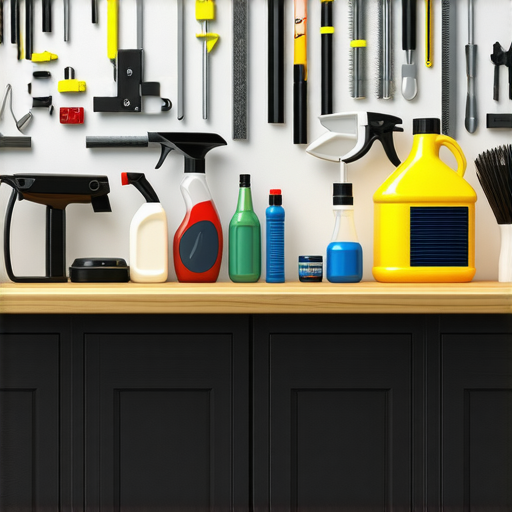
Ever find yourself battling a stubborn stain or frustrated because your traditional car wash soaps just aren’t cutting it anymore? I remember the lightbulb moment when I realized that my old supplies were holding me back, especially with the upcoming changes in 2026. It was a messy weekend, buckets overflowing, and I was desperately trying to get my ride spotless, only to end up with streaks and missed spots — all while feeling overwhelmed by the sheer variety of products crowding my garage.
Getting Ahead of the Curve in Car Detailing
As a passionate car enthusiast and hobbyist, I’ve watched the industry evolve and noticed a clear trend: by 2026, many detailing supplies are shifting toward concentrates. This isn’t just a marketing gimmick—it’s a strategic move towards efficiency, cost savings, and environmental responsibility.
But why does this matter to you, especially if you’re just getting started with DIY car detailing? Well, understanding these shifts can help you choose better products, save money in the long run, and achieve that professional finish without the hassle. Plus, concentrating products often mean less waste, fewer plastic bottles, and a smaller carbon footprint. And given that auto industry forecasts predict an increased demand for eco-friendly practices, staying ahead now will serve you well in the future.
But I’ll admit, early on I made a few mistakes—like opting for quick, single-purpose cleaners that didn’t deliver the deep shine I craved. Switching to concentrates transformed my approach, but it wasn’t without some trial and error. That’s what I want to help you avoid.
Am I Overhyping Concentrates?
If you’re skeptical about this shift, you’re not alone. Many seasoned detailers have questioned whether concentrates truly outperform traditional products or if it’s just a passing trend. I used to think the same until I tested a few options myself, realizing that the concentrated formulas often prove more versatile and economical. Curious about how to get started with these new products? Stay tuned—we’ll cover the essentials and share practical tips that will make your detailing projects simpler, faster, and better than ever.
Start with a Clean Canvas Using the Right Car Wash Supplies
Before diving into polishing or protective coatings, ensure your vehicle is spotless. Use a high-quality car wash soap designed to remove dirt without stripping existing coatings. A two-bucket method reduces scratches: one for soapy water, another for rinsing your microfiber mitts. During my last wash, I used a microfiber mitt that glided smoothly, avoiding the micro-scratches I used to get with cheaper tools.
Perfect Your Rinse and Dry Process
After washing, it’s crucial to rinse thoroughly to remove all soap residue, especially on intricate areas like wheel wells and side skirts. Using deionized water can prevent water spots, a common issue with hard water. If you haven’t switched yet, check out the latest deionized water benefits. For drying, adopt microfiber towels designed for large surfaces, like the microfiber drying towels. I once tried old rags, but those left lint on my paint. The right towel absorbs quickly and leaves no streaks.
Estimate How to Address Paint Imperfections
Identify swirls, scratches, or water spots before polishing. Use a simple light source or your garage’s bright ceiling lights to spot defects. For stubborn imperfections, a dual-action polisher equipped with a 2026-optimized paint correction pad can significantly reduce compound work time. I remember working on my SUV’s hood, manually buffing with a pad that had the right settings for 2026; the result was a mirror finish with half the effort expected in previous years.
Applying Paint Protection Effectively
Now that your paint is refined, apply a protective layer. With ceramic or graphene coatings gaining popularity, choose a product suited for your climate and usage. Use a dedicated applicator, and work in small sections. Don’t rush this step—thorough coverage prevents future issues. For outdoor vehicles in sunny climates, consider a UV protective spray to prolong your coating’s lifespan. And remember, proper application isn’t just about product quality but also technique; a missed spot can be a weak link in protection. Looking for the best sealers? Check out why 2026 ceramic coatings outshine wax.
Finishing Touches to Shine
After applying protection, enhance your vehicle’s gloss with a quick detailer or spray wax. Use a microfiber cloth to buff out any streaks, especially in tight spots or corners. For large surfaces like doors and roof panels, a 2026-specific microfiber drying towel helps absorb residual moisture without streaks or lint. In my last project, I applied a graphene spray, which added a slick, high-gloss finish that turned heads during the next drive. Keeping these tools clean and properly stored ensures consistent results on every upgrade session.
Now You Know the Fundamentals
Mastering these core techniques lays a strong foundation for tackling more advanced detailing tasks in 2026. Continually upgrade your products and tools—like exploring new interior detailers—and refine your method for the best results. Each step above, from washing to protection, contributes to a deep, enduring shine that reflects your dedication and attention to detail.
Many enthusiasts believe that all car detailing products are created equal or that choosing the most popular brands automatically guarantees professional results. However, in my experience, not all auto detailing products are suitable for every task or vehicle type. For example, a common myth is that generic car wash soaps can replace specialized formulas; this often leads to rinsing residue or even damaging delicate coatings. Instead, understanding the nuances of the chemistry behind these products can make a significant difference in your results.
One hidden trap many DIYers fall into involves neglecting the importance of pH-balanced cleaners. Using pH-imbalanced shampoos or degreasers can strip protective layers or cause the paint to deteriorate over time. This is why selecting the right car wash soap that maintains a neutral pH is critical for preserving your vehicle’s finish. Skipping this step might seem harmless initially but can lead to costly corrections down the line.
What advanced mistake most detailers make when addressing paint correction?
Many overlook the significance of proper technique and underestimating the importance of quality paint correction compounds. Rushing the process with low-quality or improperly selected pads may result in micro-marring, which ironically diminishes the clarity you’d seek. Advanced detailers know that aggressive approaches without proper planning can cause irreversible damage to soft or multi-layered paints. To get it right, invest in training and equipment designed for precision; this is especially vital when working with modern, delicate clear coats.
Another nuance is recognizing the value of deionized water during final rinses. Hard water minerals can cause unsightly water spots, which are difficult to remove once dried. Not using purified water or skipping along the finishing process often results in a dull appearance, negating all the hard work beforehand. Modern mobile detailing equipment like portable water filtration systems can make this step seamless and effective, especially in a busy schedule.
Lastly, beware of the misconception that higher-priced products always outperform budget-friendly options. While some premium auto detailing supplies offer superior results, this isn’t guaranteed. Knowing the specific benefits—such as advanced paint protection capabilities or specialized surface cleaners—comes down to research and understanding the ingredients behind each product. An informed choice can save you money and prevent mishaps, especially when selecting tools for microfiber towels or polishing pads.
Have you ever fallen into this trap? Let me know in the comments. Mastering the subtleties of car wash supplies and other paint protection techniques will elevate your skills from amateur to expert—so don’t settle for surface-level knowledge alone.
Tools I Recommend for Reliable Results
Maintaining your detailing tools and supplies is just as crucial as the products you use. I personally rely on a few key pieces of equipment that stand the test of time and ensure consistent quality. For example, investing in a high-pressure foam cannon like the 2026-compatible foam cannon allows me to apply thick, even coats of soap, which is vital for removing dirt without scratching the paint. Similarly, a professional-grade dual-action polisher equipped with the correct speed settings for 2026 helps me achieve flawless finishes efficiently.
Beyond tools, I find that a dedicated mobile detailing setup like the battery-powered waterless wash system keeps my operation flexible and fast, especially when working in tight spots or remote locations. Proper storage solutions, such as stacking bins and labeled compartments, help prevent cross-contamination, especially for liquids and abrasives. Regularly inspecting and replacing worn pads or brushes ensures you don’t compromise your results or damage surfaces.
Predictions for the future suggest that automation and smart tools will play a bigger role, making it easier even for hobbyists to maintain professional-grade standards. Think about incorporating a comprehensive detailing kit that includes multiple attachments for versatility. As technology advances, automating routine tasks with tools like smart polishers or app-integrated spray systems will help you keep your equipment working flawlessly over time.
How do I maintain detailing tools over time?
Consistent maintenance is key. Rinse tools thoroughly after each use and allow them to dry completely to prevent mold or rust. Using appropriate protectants like silicone sprays on plastic parts preserves flexibility and reduces wear. Periodic deep cleaning of brushes and microfiber towels with specialized detergents prevents buildup and preserves their effectiveness. Additionally, storing at a stable, cool, and dry location, away from direct sunlight, extends their lifespan. For example, regularly inspecting your microfiber towels and replacing them as soon as they show signs of fraying or linting ensures streak-free finishes every time.
Remember, a little proactive care now can save you a lot of time and expense later. Don’t forget to check out the latest guides on maintaining your equipment for detailed routines tailored to 2026 tech. Try implementing a regular maintenance schedule for your most-used tools, and you’ll keep your detailing game sharp for years to come.
Lessons That Turn Garage Mishaps Into Masterpieces
One of the toughest lessons I learned was that relying solely on traditional products can limit your potential for a flawless finish — especially as technology evolves. I once spent hours trying to fix streaks after using an off-the-shelf wax, only to realize that a focused strategy with professional-grade auto detailing products makes all the difference. Discovering the importance of pH-balanced car wash soaps tailored for the latest coatings was a real game-changer, preserving that showroom shine in ways I never imagined.
Another realization was the power of precision tools. Previously, I overlooked the significance of correctly calibrated paint correction pads, leading to micro-marring and dull spots. Upgrading to quality equipment and learning the right techniques dramatically improved my results, proving that investing in the right tools is essential for anyone serious about detailing in 2026.
Finally, I wish I had understood earlier how critical proper hydration and quality water sources are. Switching to deionized water for rinsing and finishing has prevented countless water spots, ensuring a mirror-like finish every time. This small tweak saves time and effort, especially as environmental standards tighten around water use and runoff.
My Trusted Arsenal for a Flawless Finish
Building an effective toolkit is about more than just buying the priciest gear. I swear by items like the microfiber drying towels that absorb quickly and leave no lint, which are invaluable for achieving a streak-free gloss. For versatile cleaning, I lean on detailed-oriented interior detailers that safely remove grime without damaging surfaces. And of course, a durable foam cannon helps me apply product evenly, reducing waste and protecting paint during the wash process. These tools combined with continuous learning about paint correction scams and latest coatings keep my work sharp and professional.
Charge Forward with Confidence and Clarity
Embracing the latest in detailing supplies near me and understanding their proper application transforms a mundane task into a rewarding craft. As technology advances, so do the opportunities for DIY enthusiasts to elevate their skills, achieve professional results, and preserve their vehicle’s value. Remember, every mistake is just a stepping stone on the path to mastery — each lesson brings you closer to flawlessness. So, why wait to get started? Your next level in car detailing is within reach if you’re willing to learn and invest in the right tools and techniques.
What has been your biggest challenge or breakthrough in mastering paint correction or applying protectants? Share your experience below—I’d love to hear how you’re transforming your vehicle with top-tier supplies and savvy techniques.