I remember the exact moment I realized my perfect shine was turning into a nightmare. I had just finished detailing my car on a sunny Saturday morning, excited to show off that glossy, protective layer I had invested so much in. But as I stepped back to admire the finish, streaks and smudges revealed themselves like unwanted tattoos on my pride and joy. Frustration swelled—I’d followed all the instructions, used top-quality products, yet somehow, my ceramic coating was betraying me.
Don’t Let Streaks Ruin Your 2026 Ceramic Coating Dreams
If you’ve been battling streaks after applying your ceramic coating, you’re not alone. This is a common frustration among car enthusiasts and DIYers alike. The good news? It’s fixable, and I’m here to share what I’ve learned from my own missteps and victories. Today, I’ll walk you through three simple fixes that can turn your streaked surface into a mirror-like finish. Trust me, it’s easier than you think—once you know what to look out for.
Is Ceramic Coating Worth the Hassle?
Early in my detailing journey, I made a mistake that many beginners make: rushing through the preparation. I thought skipping a thorough wash or neglecting proper surface prep wouldn’t matter. But I learned the hard way that even a tiny speck of dust or residue can cause streaking and cloudiness. According to industry experts, surface prep is the cornerstone of a flawless ceramic application (read more here). This experience taught me that patience and attention to detail are your best friends when aiming for that showroom shine.
Now, if you’re wondering whether this frustrating streaking is just a temporary setback or something more serious, stay tuned. We’ll explore practical solutions that, with a little effort, will restore and even enhance your coating’s appearance. So, grab your supplies, and let’s get started on fixing those pesky streaks for good!
Prep the Surface Thoroughly Before Applying Your Coating
Years ago, I rushed into applying ceramic coating without properly cleaning the car, thinking my regular wash was enough. The result? Streaks and patches that stuck around. To avoid repeating my mistake, start with a deep clean using a high-quality car wash soap, like those recommended for ceramic coatings (check this out). Use a microfiber wash mitt, and work in sections to prevent dirt from settling. The goal is a spotless, residue-free surface. This crucial step lays the foundation for a smooth, even coating and minimizes streaking.
Use the Right Detailing Tools for a Flawless Finish
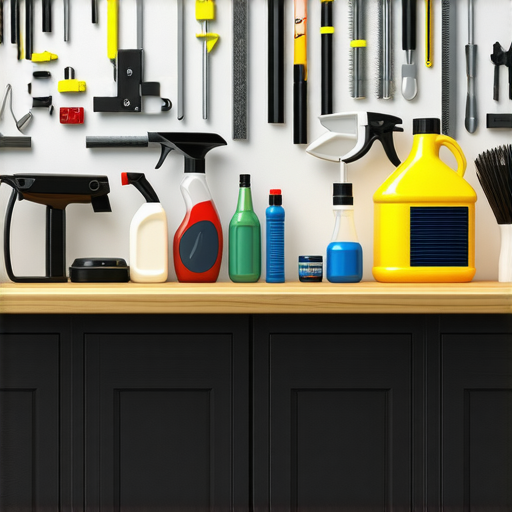
Investing in the proper supplies makes a world of difference. Think of your tools as the brushes and paints for a professional artist. For car cleaning, I recommend microfiber towels to prevent scratches and lint. For drying, a blower or microfiber drying towels help avoid water spots. When it’s time to apply the coating, a foam applicator pad ensures even distribution. For a comprehensive list, explore top car detailing supplies. Using high-quality equipment reduces streaks caused by uneven application.
Apply the Ceramic Coating Precisely and Systematically
During my first attempt, I overestimated how much coating to apply and rushed the process. Now, I apply the ceramic coating in thin, even stripes—about the size of a large index card for each section. Think of it as painting a wall with gentle strokes; too much product causes pooling and streaking. Work in small sections, and use a clean microfiber cloth to buff the coating into the surface immediately after application. This step ensures the coating bonds properly, avoiding uneven patches or streaks that can mar the finish. Remember, patience and attention to detail here make or break the result.
Master the Proper Buffing Technique
My most embarrassing streaking moment happened when I used a rag that was too rough, leaving fibers behind. To fix this, I switched to Ultra-fine microfiber towels and practiced a gentle, circular buffing motion. Keep your cloth dry and use minimal pressure—think of polishing glass rather than scrubbing a stain. For best results, flip your microfiber frequently to avoid depositing excess coating onto the surface. If streaks still appear, I recommend re-buffing with a fresh towel and even applying a light mist of isopropyl alcohol diluted with water to remove any residual coating that might be causing cloudy patches (more here).
Final Inspection and Troubleshooting
After curing for the recommended time, inspect your finish under good lighting. If you notice streaks or haziness, lightly buff those areas with a clean microfiber cloth—sometimes, residues from improper buffing or dust settling creates uneven spots. For stubborn haze, a quick wash with a pH-neutral car wash soap can help, especially if you suspect any contaminants interfering with the coating (see why). Repeating these steps—careful application, gentle buffing, thorough inspection—will give you a mirror-like shine free of streaks, even on your first attempt.
When it comes to car care, the market is flooded with an overwhelming variety of detailing supplies near me and auto detailing products. Many enthusiasts believe that choosing the most popular or expensive items guarantees a flawless finish. However, in my experience, more does not always mean better. For example, selecting a generic car wash soap without understanding its chemistry or compatibility with your coating can do more harm than good. It’s crucial to grasp the nuances behind these products rather than fall for marketing hype.
One common myth is that DIY car detailing kits are inferior to professional-grade mobile detailing equipment. While some kits are genuinely effective, many are filled with low-quality compounds that can scratch surfaces or strip existing coatings if used improperly. The real key is understanding the ingredients and proper application methods. For instance, a high-quality ceramic coating needs compatible prep and aftercare products to ensure durability and gloss.
What Advanced Detailers Know About Product Compatibility That Beginners Overlook
Many enthusiasts overlook how vital product compatibility truly is. Using a car wash soap with high pH levels on a delicate ceramic coating can cause degradation over time. According to a study by leading chemical experts (source), pH-balanced cleaners preserve coating integrity better. Therefore, understanding the chemical makeup of your detailing supplies prevents unintended damage and extends the life of your investment.
Furthermore, the hidden nuance often missed is how environmental factors influence product choice. For instance, in areas with hard water or salty air, using specialized water-softening products or rinsing techniques can prevent mineral spots or corrosion. Having this knowledge turns a basic wash into a lasting protection routine.
So, the next time you pick up car detailing supplies or approach a DIY car detailing kit, think beyond appearances. Select your products based on chemistry, compatibility, and environmental readiness rather than brand reputation alone. This nuanced approach ensures your investment in auto detailing products delivers the shine and protection you desire.
Have you ever fallen into this trap? Let me know in the comments. Staying informed about these hidden details makes all the difference in achieving a showroom finish that lasts.
How Do I Keep My Detailing Supplies and Equipment in Top Shape Over Time?
Maintaining your car detailing arsenal is crucial for achieving professional-grade results consistently. I’ve found that investing in high-quality, durable tools not only enhances the quality of your work but also reduces the frequency of replacements. For instance, I personally rely on microfiber towels with ultra-fine fibers—they trap dust and contaminants more effectively and resist fiber shedding, which is critical for preventing scratches. Regularly washing these towels with a pH-neutral detergent prevents buildup of residues that can compromise their softness and cleaning power. Additionally, using a dedicated detailing compressor ensures consistent air pressure during drying and blow-drying applications, preventing water spots and streaks.
To safeguard your equipment from environmental wear, store your gear in a climate-controlled area to avoid rust and degradation. For mobile detailing setups, investing in weather-resistant storage containers helps keep supplies organized and protected during transport. As for chemical supplies like waxes, sealants, and ceramic coatings, always follow manufacturer guidelines on shelf life and storage. Typically, keeping them in a cool, dark place extends their efficacy and application quality. Remember, well-maintained tools and supplies translate into a lasting, pristine finish that impresses every time.
Looking ahead, the trend is moving towards smart detailing equipment integrated with IoT connectivity, which can monitor usage and predict maintenance needs. For example, automated sprayers and smart wash systems are becoming more prevalent, making routine maintenance simpler and more effective. As this technology advances, staying current with innovative tools will elevate your detailing game and ensure your results stand out in 2026 and beyond.
How do I maintain my auto detailing equipment over time? Regularly inspect tools for wear, clean them after each use, and follow storage best practices. Implementing routine maintenance schedules, like replacing filters or seals in pressure washers, can prevent breakdowns and extend equipment lifespan. For expert-recommended practices, you can refer to this detailed guide. Don’t hesitate—try out a professional-grade microfiber cloth with an advanced cleaning solution to see firsthand how proper maintenance can elevate your detailing results.
Lessons Car Enthusiasts Wish They Discovered Sooner
- One of the toughest lessons I learned was how crucial proper surface preparation is before applying any ceramic coating. Skipping this step can turn a sleek finish into a streaky mess, no matter how premium your products are.
- Initial enthusiasm often leads to rushed applications. Now, I focus on applying thin, even layers and taking my time each step—patience truly pays off in the mirror-like results I aim for.
- I’ve realized that understanding product chemistry—like pH levels in car wash soaps—helps prevent unintentional damage and prolongs the durability of my detailing work.
- Investing in quality tools, from microfiber towels to foam applicators, has transformed my results. Cheap substitutes often cause scratches or uneven coverage, which is frustrating after all the effort.
- Environmental factors such as hard water or salt air can sabotage even the best coatings. Adapting my routine with specialized products has significantly improved my car’s finish over time.
My Go-To Resources for Auto Detailing Success
- For top-tier detailing supplies near me, I rely heavily on resources like this comprehensive guide. It offers insights into the latest products and their proper use.
- My preferred mobile detailing equipment ensures I can deliver professional results, even in tight spaces or on the go.
- The market updates keep me informed about the cutting-edge supplies that give my work an edge over the competition.
- For chemistry breakdowns and optimal product compatibility, I turn to these expert articles. They help me avoid costly mistakes and ensure lasting shine.
This Is Your Moment to Elevate Your Detailing Game
Don’t let incomplete knowledge hold back your quest for that perfect, mirror-like finish. With the right tools, understanding, and patience, you can transform your vehicle’s appearance and truly enjoy the art of auto detailing. Remember, mastery begins with taking the first step—so gear up, stay curious, and keep refining your craft. Every polished surface is a testament to your dedication and passion for automotive perfection.
What’s the one detailing tip you wish you had known when starting out? Share your story below and join a community that’s as enthusiastic about car care as you are!