Ever had that sinking feeling when you finish detailing your car, only to see new swirl marks or stubborn stains refuse to budge? I remember the frustration vividly—spending hours trying to perfect a vinyl wrap, only to realize I was using the wrong products or techniques. It was a lightbulb moment when I discovered that the right selection of auto detailing products can make or break the look of my ride, especially with sensitive vinyl wraps.
Why Choosing the Right Products for Vinyl Wraps Matters
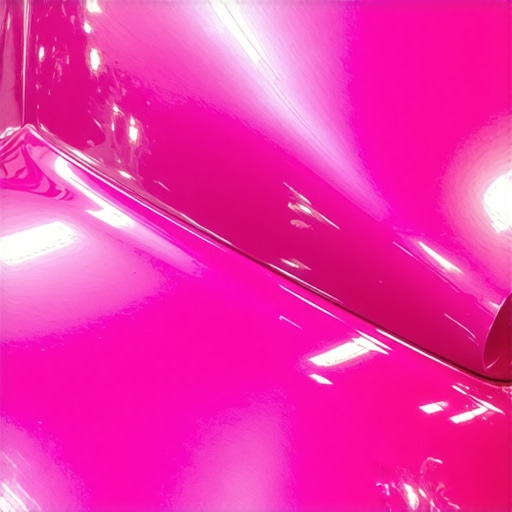
Vinyl wraps are a fantastic way to customize your vehicle, offering a unique finish without the commitment of paint. But they are also delicate and require specific products to keep them looking flawless. Using the wrong car wash soap or abrasive polish can cause peeling, fading, or even irreversible damage. I’ve learned this the hard way—early on, I tried to save a buck by using generic cleaning products and ended up with a dull, scratched surface.
Today, I want to share how selecting the best auto detailing products for vinyl wraps can safeguard your investment and elevate your vehicle’s appearance. Proper products not only clean but also protect, ensuring your wrap stays vibrant and intact for years to come. This guide is packed with my personal picks and insider tips to help you avoid common pitfalls and get professional results at home.
Is the Hype Around Specialized Vinyl Wrap Products Justified?
Honestly, I was skeptical at first—why spend extra on products just for wraps? But I quickly realized the difference it makes. Early in my detailing journey, I used generic cleaners and noticed a quick fade or streaking. That was a mistake I paid for in time and money. According to automotive detailing experts, vinyl wraps require pH-balanced cleaners and gentle tools to prevent damage (learn more about safe cleaning practices here). After I adjusted my approach, my wraps looked sharper and lasted longer. So yes, investing in quality, wrap-specific products is definitely worth the hype. Now, I’ll walk you through the must-have products and techniques that turned my detailing routine from a risk into a ritual. Ready to protect your ride and make it shine? Let’s dive into the essentials to keep your vinyl wrap flawless and vibrant.
Prepare Your Workspace and Gather Quality Supplies
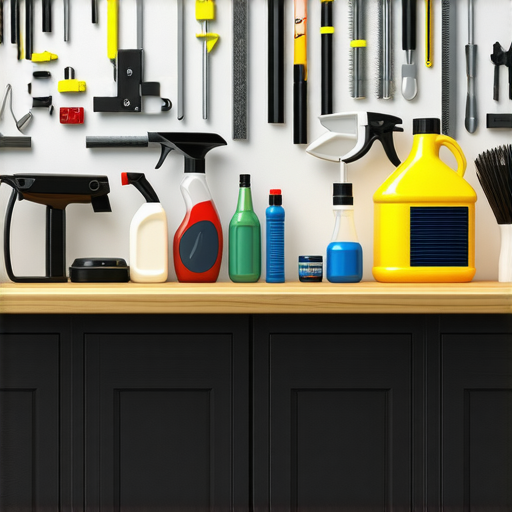
Start by organizing a clean, well-lit area—think of it as setting a stage before a performance. Gather essential car detailing supplies such as pH-balanced car wash soap, microfibers, and gentle applicators. Using the right tools is like choosing the right brush for a canvas—precision matters. I once tried detailing my vinyl wrap with a coarse sponge, which caused micro-scratches; upgrading to a plush microfiber mitt transformed the finish.
Deep Clean the Surface Using Specialized Products
Begin with a thorough wash to remove dirt and contaminants. Opt for a gentle foam sprayer to apply a quality foam cannon—it covers large areas quickly and reduces scratching risk. As I learned during a late-night session, using a wash soap formulated for ceramic coatings prevents stripping protective layers. Rinse thoroughly with high-pressure water, ensuring no residue remains. This step is critical because dirt trapped under soap can act like abrasives during wiping, dulling a glossy finish.
Remove Contaminants and Prepare for Paint Correction
For stubborn grime, clay barring with a proper clay lubricant and a clay bar can lift embedded particles. During one session, I used a clay kit meant for paint correction on my vinyl, which proved too harsh—learning from this, I now use a product explicitly safe for wraps. After claying, inspect the surface with a bright LED paint correction light to identify swirl marks or scratches to target next.
Address Imperfections with Corrective Polishing
Now, focus on removing oxidation or swirl marks. Use a dual-action polisher with an appropriate liquid polish suited for your severity level. During my first fix, I tried a heavy-cut compound, which risked damaging my wrap. Switching to a fine polish and a soft pad allowed me to refine the surface gently—like sanding a wood piece but on a miniature scale. Keep the polisher moving in overlapping passes to avoid creating new scratches.
Seal and Protect with the Right Coatings
After perfection, applying a ceramic coating or paint protection film boosts durability. For wraps, a spray-applied graphene coating provides excellent hydrophobic effects without risk of peelage, unlike some thicker films. During my attempt, I evenly spread a quick-drying ceramic spray using a foam applicator pad, ensuring complete coverage. Wait for the recommended curing time before exposing the surface to water or sunlight.
Final Touches and Maintenance
Keep the vehicle looking fresh with routine dusting using a microfiber towel and gentle washing every few weeks. Avoid abrasive brushes and harsh chemicals—think of it as grooming delicate hair. Regularly inspect your wrap under good lighting and reapply protective sprays as needed, which maintains gloss and shields against environmental damage. With each step, you’re extending the life of your vinyl wrap—it’s like wearing a shield that also makes your vehicle shine with pride.
Many enthusiasts and professionals alike fall prey to common misconceptions when it comes to paint correction and selecting car cleaning products. One prevalent myth is that more aggressive compounds or pads always yield faster results. In reality, this approach often leads to unnecessary damage, especially on delicate clear coats or soft finishes. Skilled detailers understand that proper assessment and choosing the right auto detailing products for the specific paint type are crucial. For instance, using a heavy-cut compound on a soft German clear can create swirls or haze, making further correction necessary. This is why understanding the nuanced differences in polishing agents is essential—by selecting a finer abrasive or a gentle polish, you preserve the integrity of your paint while achieving a mirror-like finish.
Another common mistake is neglecting the importance of proper technique and equipment calibration. Many assume that a high-quality ceramic coating or paint protection will solve every flaw, overlooking that surface preparation remains king. Even the best auto detailing products require meticulous application methods. Failing to decontaminate thoroughly, or skipping stages like claying and polishing, often results in subpar longevity and appearance. It’s a trap I’ve seen many fall into—buying top-tier coatings but neglecting the vital prep work, which undermines the protection altogether.
Why do some paint correction efforts backfire despite using premium products?
This issue often stems from misjudged product compatibility and application errors. For example, applying a ceramic coating over uneven or inadequately prepared surfaces can trap imperfections beneath, leading to bubbling, haze, or premature failure. Experts emphasize that surface preparation and proper product selection—tailored to your vehicle’s specific conditions—are key to successful correction and protection. The right detailing supplies near me that suit your climate and car’s needs make a significant difference. Advanced detailers also recognize the importance of using mobile detailing equipment that allows precise control over polishing pressure and speed, reducing the risk of marring or uneven correction.
Most importantly, be wary of shortcuts—like skipping thorough cleaning or choosing cheaper car wash soaps that don’t match your surface’s needs. A well-informed approach, backed by expert knowledge, elevates your results from amateurish to professional. Remember, protecting your vehicle with quality paint protection and proper surface prep is an investment that pays dividends over time. If you’re ever in doubt, consulting guides like this ensures you’re making smarter choices, avoiding costly re-dos.
Have you ever fallen into this trap? Let me know in the comments. Mastering these nuances is what separates good detailing from great—so keep questioning, learning, and refining your craft.
Keep Your Equipment in Prime Condition
Investing in quality mobile detailing equipment is only half the battle; maintaining it is crucial for consistent results. I personally swear by regularly checking and replacing polishing pads and brushes—worn-out tools can introduce micro-scratches or uneven coatings, undermining your hard work. For example, dual-action polishers benefit from scheduled pad upgrades to ensure even pressure distribution, extending their lifespan and performance. It’s also worth investing in battery management systems that prevent overcharging, which can deteriorate batteries and compromise your mobile setup.
Use the Right Cleaning and Polishing Methods
Advanced techniques can save you time and produce better finishes. For example, I rely on a buffer speed setting that matches the product’s abrasiveness, preventing haze or swirl marks. During paint correction, using a fine polish and controlling the pad pressure is key—this is supported by experts in automotive finishing who recommend Low-Speed Polishers for delicate surfaces. Also, incorporating a disinfectant-compatible spray during detailing ensures hygiene without compromising protective coatings. The goal is to combine efficiency with care, ensuring long-term protection of surfaces without causing damage.
Automate Some of Your Routine with Tech
Modern detailing ventures increasingly utilize automation tools—like paint correction lights or smartphone apps for scheduling maintenance. These tools help identify imperfections early and monitor wear on coatings. For instance, I use an LED inspection light to detect micro-scratches that are invisible to the naked eye, which allows me to address issues proactively. Looking ahead, AI-driven apps may analyze surface defects and recommend the precise amount of product or thinning needed, optimizing your workflow and saving you money in the long run. Staying ahead of technological advancements means you’re better equipped to deliver top-tier service consistently.
How Do I Keep My Detailing Tools Working Over Time?
Proper maintenance is about more than cleaning—it’s about understanding how equipment ages and implementing preventative care. For example, regular lubrication of gear mechanisms and cleaning spray nozzles prevent buildup that can impair performance. Also, storing tools in climate-controlled environments reduces corrosion and electrical issues. Refurbishing pads and brushes after heavy use ensures they retain their shape and abrasiveness, aiding in consistent application. Referencing industry standards from technical sources like the Wikipedia Automotive Repair section highlights that proper care extends tool life significantly, saving costs over time. I highly recommend trying out a maintenance routine for your tools—your results will improve, and you’ll extend their lifespan even further.
Throughout my journey into auto detailing, I’ve uncovered some insights that go beyond the basic techniques and products. These lessons have transformed how I care for sensitive vinyl wraps, saving me time and protecting my investment.
What I Wish Someone Told Me About Using the Right Products
Initially, I underestimated the importance of pH-balanced cleaners and proper tools. Using harsh cleaners or abrasive sponges seemed harmless until I noticed micro-scratches and dullness. Realizing that your choice of auto detailing products for vinyl wraps directly affects the wrap’s lifespan is a game-changer. Switching to gentle, wrap-specific products has made my results more consistent and my wraps more vibrant.
The Power of Patience in Surface Preparation
One major revelation was that skipping thorough decontamination and claying stages leads to compromised results. Rushing through these steps to save time often results in imperfect finishes and reduced protection. Taking the extra time to properly prep the surface ensures that the polish and coatings adhere correctly, which I learned the hard way. Investing in quality cleaning accessories and technique pays long-term dividends.
Refining My Technique with Quality Tools
The precision of application—whether polishing or coating—depends on your equipment. I discovered that maintaining my dual-action polisher and replacing worn pads regularly prevents micro-marring. It’s not just about having the best products, but also about using them correctly. Mastering these details elevated my results and extended the life of my wraps, emphasizing that equipment maintenance is as vital as the products themselves.
Realizing That Surface Prep Is Your Best Defense
Many overlook that proper surface prep creates a foundation for all subsequent steps. From using clay lubricants designed for wraps to inspecting with a paint correction light, each move builds toward a flawless finish. Rushing this stage is like trying to build a house on shaky ground—inevitably, the structure fails.
My Favorite Resources to Stay Ahead
Over time, I found that trusted sources are essential. The concentrated auto detailing supplies provide better value and effectiveness. I also swear by books on detailing techniques that delve into the science behind cleaning and correction, and using paint correction lights to spot imperfections early has saved me from costly reworks. Continually educating myself keeps my skills sharp and my results impressive.
Embrace the Challenge and Keep Improving
Detailing isn’t just about aesthetics; it’s a craft that rewards patience, knowledge, and continuous learning. Every car is unique, and each involves its own set of challenges. The more you invest in understanding your tools, products, and surfaces, the more satisfaction you’ll derive from your work. Remember, your vehicle’s appearance is a reflection of your dedication—so keep experimenting, stay curious, and don’t shy away from refining your technique.
Level Up Your Detailing Game Today
Now that you have these insider lessons, I encourage you to revisit your routine, ask questions, and seek out quality products and tools. Proper handling of vinyl wraps can be a balancing act, but with the right approach, your vehicle will not only look stunning but will be protected for years. Dive into the details, and watch your results reach professional levels.
What was the most surprising thing you learned about caring for vinyl wraps? Share your experience below – I’d love to hear your insights!
,