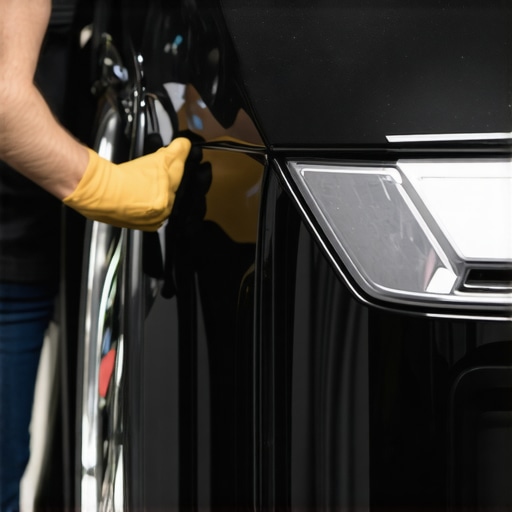
I’ll never forget the moment I skidded my freshly detailed car out of the driveway, only to notice that the plastic trim looked dull, faded, and just plain lifeless. It was like I had poured all my effort into the paint and neglected the plastics that frame the vehicle. That disappointment led me down a rabbit hole of research and trial-and-error, trying to find the perfect way to refresh and protect those stubborn plastic trims. Have you faced this frustration—spending hours polishing your car, only to see your plastic pieces looking worse than when you started?
Why Protecting Plastic Trim Matters Now More Than Ever
In my experience, plastic trim isn’t just an aesthetic detail; it’s a reflection of how well you care for your vehicle overall. Fading, chalking, and image-damaging UV damage can turn a sleek ride into a worn-out look faster than you might imagine. Especially in places like West Los Angeles, where the sun’s relentless rays accelerate UV-induced fading, protecting plastic trim isn’t just about looks—it’s about preserving your investment. 2026 graphene coatings offer exceptional longevity, outlasting traditional ceramic coatings, making them ideal for maintaining your vehicle’s plastics in the hot climate.
Early in my journey, I made the classic mistake of applying ceramic coatings without properly preparing the plastic surfaces. I thought a quick wipe was enough, but I soon learned that adhesion and durability depend on meticulous prep work. That oversight cost me time, effort, and money—and it’s a lesson I’d hate for you to learn the hard way.
Got this problem too? Don’t worry—I’ve got you covered with step-by-step guidance to make your plastic trim look fantastic and last longer.
Ready to dive into the most effective methods for applying 2026 ceramic coating to your plastic trim? Let’s get started on transforming those dull, faded pieces into a resilient, glossy feature of your ride that can withstand the test of time and sun.
Preparing the Surface for Optimal Bonding
Start by thoroughly washing your vehicle with a high-quality car wash soap designed for ceramic coatings. Use a soft microfiber mitt to avoid scratching the plastic. After rinsing, dry with a clean, plush microfiber towel to prevent water spots, which can hinder adhesion. Then, inspect the trim for dirt, old wax, or grease—these contaminants can cause the coating to bond improperly. Using a dedicated paint prep solution or isopropyl alcohol (IPA) diluted 50/50 with water, wipe down the plastics thoroughly. This step is akin to giving your surface a clean slate, much like a painter preps a canvas for a flawless job.
Applying the Ceramic Coating Effectively
Next, lightly shake your 2026 ceramic coating bottle to ensure even distribution. Use a high-quality applicator pad—typically a soft foam or microfiber block—and dispense a few drops onto the pad. Work in small, manageable sections—think of it as painting a wall in stages. Apply the coating with a cross-hatch pattern, first horizontal then vertical, to ensure complete coverage. Keep a steady hand and consistent pressure to avoid streaks or missed spots. When you notice the coating starting to flash (duller appearance), gently buff it out with a clean microfiber towel, much like polishing a piece of furniture to achieve that mirror shine. During this process, I learned that patience matters; rushing leads to uneven layers and gloss inconsistencies.
Speed, Technique, and the Right Environment
Work in a shaded, dust-free environment—hot West Los Angeles days can cause rapid flash-off, making application tricky. A cooler, controlled environment allows the coating to cure evenly, much like baking a delicate soufflé. Use a dedicated detailing tent or canopy if outdoors. As you wipe, think of this step as sealing your plastic’s protection armor—the smoother and more even your application, the more durable and glossy the finish.
Protecting and Curing the Coating for Longevity
Allow the coating to cure undisturbed for at least 24 hours, avoiding water, dust, or touching the surface. During curing, the coating undergoes a chemical process that bonds with the plastic—akin to an adhesive setting or paint drying. To enhance durability, especially in sun-exposed areas like West LA, consider applying a second layer of graphene coating after the first cures. This creates an extra protective barrier against UV rays and chalking. For finishing touches, use a polishing pad to remove any high spots or streaks, ensuring a uniform, glossy finish that resists fading over time.
Monitoring and Maintaining the Results
Regular maintenance is critical. Use a pH-balanced car wash soap that won’t strip your coating. Avoid harsh detergents; instead, opt for gentle, coating-friendly products. Additionally, integrating quick spray coatings or graphene boosters from trusted auto detailing supplies line can rejuvenate your plastics between full detailing sessions. Think of it as giving your plastic trim a daily vitamin shot—maintaining that deep shine and protection effortlessly.Many car owners implement ceramic coatings and utilize various detailing products under common assumptions that, upon closer inspection, can hinder their results. While mainstream advice often emphasizes surface prep and product choice, the subtleties lie in understanding these nuances to truly elevate your detailing game. For instance, a widespread myth is that any car wash soap will do before applying ceramic coatings. In reality, using pH-balanced, non-stripping soaps is crucial to preserve the coating’s longevity, especially in high UV areas like West Los Angeles. Many overlook that aggressive detergents can prematurely degrade your ceramic layer, leading to diminished performance over time. This is where specialized car wash products come into play, ensuring your coating remains protected while maintaining cleanliness.
Why do advanced detailers prefer waterless washes in hot climates?
Experts recommend waterless or water-saving washes not just for environmental reasons but because they prevent water spot formation and minimize swirls during cleaning, especially in sun-rich environments. Relying solely on traditional wash methods without understanding these nuances can cause micro-marring, reducing the gloss and clarity of your coating. Moreover, selecting the right auto detailing supplies matters—a common mistake is using generic, low-quality products that contain harsh chemicals, which can void warranties or damage applied coatings. Instead, high-grade, chemically compatible products backed by expert reviews should be prioritized. Another overlooked aspect is the importance of proper application techniques; for example, impatiently rushing through paint correction or ceramic coating procedures can lead to uneven surfaces or high spots, often requiring costly corrective work later. Familiarizing yourself with thorough, step-by-step methods from reputable sources ensures better results. You might wonder if your DIY car detailing kits are sufficient for achieving professional-grade results. The answer depends on the specific products included and your knowledge—sometimes investing in better-quality supplies or professional guidance is more economical long-term. To learn more about selecting the best car wash supplies and avoiding costly mistakes, check out detailed guides on premium car wash products. Remember, the devil is in the details—understanding these often-overlooked nuances can make all the difference in maintaining that show-room shine. Have you ever fallen into this trap? Let me know in the comments.
Investing in Quality Equipment Pays Off
Having the right tools is essential for maintaining your vehicle’s pristine appearance over time. I personally rely on a dual-action polisher like the Excel 3500 DA polisher. Its variable speeds and lightweight design allow me to perform paint correction and applying ceramic coatings with greater control and less fatigue. For cleaning, I swear by a high-caliber compact pressure washer that packs enough power to remove dirt without risking damage, making it perfect for both mobile and in-shop setups.
Choosing the Right Detailing Products Is Critical
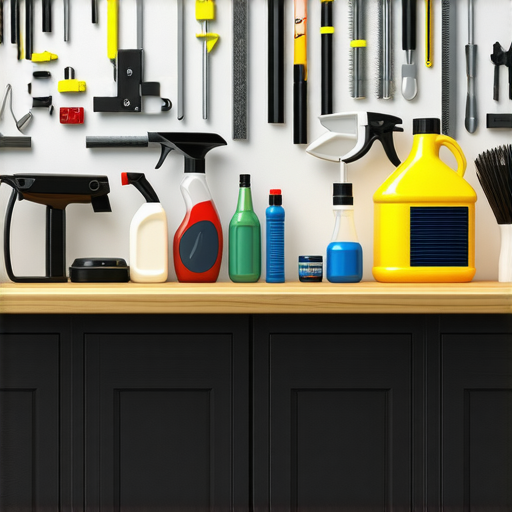
Not all car wash soaps or products are created equal. In fact, using premium, pH-balanced car wash soaps designed for ceramic coatings protects your work from premature degradation. I prefer those with lubricants that help prevent micro-scratches during washing, especially when working on coated vehicles. For interior, a reliable high-powered extractor like the portable extractor ensures your vacuuming reaches deep into carpets and upholstery, preserving the new-car feel.
Harness Waterless Technology for Efficiency
In hot, water-restricted climates like West LA, waterless wash systems have become a game changer. I’ve transitioned to a system based on waterless detailing techniques that utilize specialty sprays and microfiber cloths. They not only save time but also reduce water usage and risk of swirl marks. For ongoing maintenance, quick detailer sprays infused with graphene provide an extra layer of protection and a glossy finish, extending the life of your ceramic coatings.
Predicting Future Trends in Tools and Products
Looking ahead, I believe smart, tech-integrated tools like app-controlled polishers and AI-guided detailing systems will become standard in high-end mobile setups. These innovations promise increased precision and consistency, crucial for professional results. Staying ahead involves adopting advanced products like eco-friendly, water-saving products, and combining them with durable coatings like graphene for long-term results. Embracing these advancements now sets enthusiasts and professionals apart in the competitive market.
How do I keep my tools and products performing well over time?
The key lies in regular cleaning, proper storage, and timely replacement of worn parts. For example, maintaining your DA polisher with manufacturer-recommended pads and frequently inspecting your microfiber towels for contaminants ensures optimal performance. Additionally, I recommend using a dedicated storage cabinet for all detailing supplies, avoiding exposure to dust or humidity. Routine calibration of electrical equipment, such as pressure washers or steamers, also extends their lifespan. For detailed guidance, check the latest tips on proper maintenance practices of detailing tools. Try implementing one advanced tip like using a precision polish with your DA polisher; it can significantly improve your results and efficiency in long-term detailing projects. Don’t wait—start upgrading your tool arsenal today for better, more durable finishes.
The Hidden Lessons Waiting in Your Detailing Journey
One of the most overlooked aspects of car care is understanding that plastic trim isn’t just an aesthetic detail; it’s a testament to your overall maintenance mindset. I’ve learned that neglecting plastics, especially in a sun-drenched environment like West Los Angeles, accelerates aging and diminishes your vehicle’s value. A lightbulb moment for me was realizing that prepping plastics with a dedicated pH-balanced cleaner not only improves adhesion but extends the life of your coating. Also, relying solely on quick fixes like wiping with a damp cloth can backfire—time and patience in surface preparation make all the difference. And don’t underestimate the power of a second graphene layer after curing; it acts as an invisible shield against UV and chalking, especially useful when parking outdoors in a hot climate. Lastly, I discovered that regular maintenance with a dedicated auto detailing supply designed for ceramic coatings is essential—your plastics will thank you for it.
Tools, Tips, and Resources That Made the Difference
If you’re serious about protecting your plastic trim, investing in high-quality tools is a game changer. I swear by the Excel 3500 DA polisher for precise application and flawless finish, saving me hours and ensuring durability. For cleaning, a reliable compact pressure washer provides precision without risking damage. When it comes to products, always choose pH-balanced car wash soaps specially formulated for ceramic coatings; they help maintain that glossy look longer. A waterless wash system tailored for hot climates minimizes swirl marks and conserves water—an eco-friendly and efficient approach. Keep up with industry innovations like app-controlled polishers and eco-friendly products; they are reshaping how we care for our vehicles and plastics alike. And for ongoing learning, resources like detailed guides on graphene coatings help me stay ahead of the curve and avoid costly mistakes.
Embrace Your Role as a Car Care Champion
Remember, your dedication beyond superficial cleaning is what sets your vehicle apart. With the right knowledge, tools, and attitude, your plastic trim can resist the harshest UV rays and look stunning year-round. The journey to mastering ceramic coating application and plastic preservation is ongoing, but every step you take elevates your craft and pride. Don’t wait for perfection—start today with a small improvement, and watch your confidence grow along with your car’s shine. The future of vehicle detailing in West Los Angeles is not just about appearance but about protecting your investment for years to come. Are you ready to take your plastic trim from dull to dazzling in a way that truly lasts? Let me know below!