
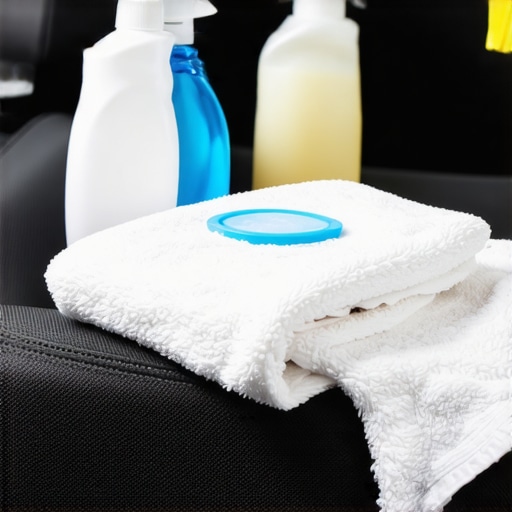
It was after a long shift, sitting in a rideshare vehicle that looked hit by a storm of crumbs, dust, and mysterious odors. I realized that keeping the interior spotless isn’t just about aesthetics; it’s about health, customer satisfaction, and compliance with new standards set for 2026. That lightbulb moment made me rethink my approach—no more sluggish cleaning routines or half-measures. If you’re like me, wanting to get your rideshare interiors sanitized fast yet thoroughly, you’re in the right place.
The Urgency of Fast, Reliable Interior Sanitation
In today’s competitive ridesharing world, speed is crucial. Customers expect a clean environment, and regulatory bodies are cracking down harder than ever—especially as standards evolve for 2026. But here’s the catch: effective sanitation shouldn’t mean sacrificing quality or safety. Quick does not mean careless. As I learned early on, rushing through a wipe-down often misses hidden germs and stubborn stains. That oversight can lead to unhappy customers, negative reviews, and even violations. So, what’s the secret to balancing speed and thoroughness?
Is Fast Sanitizing Really Effective—Or Just a Myth?
At first, I believed that quick sanitation was just a shortcut—a gamble. My mistake? Underestimating the power of the right tools and methods. I used surface wipes inefficiently, thinking that quick passes would suffice. But studies show that proper sanitization requires enough contact time and the right disinfectants—especially with the new standards coming in for 2026, which demand higher levels of cleanliness (Source: CDC). Now, I focus on targeted, strategic cleaning that saves time but doesn’t cut corners. And you can too, with the right knowledge and supplies. Want to learn how? In the next section, we’ll dive into my proven methods that make the process swift, effective, and compliant.
Quick and Targeted Disinfection Techniques
Start by removing loose debris with a high-quality vacuum cleaner—think of it as the foundation of a clean canvas. For example, I once tackled a Saturday evening shift where crumbs and dust had settled into every corner. Using a crevice tool, I reached tight spots around the seats and console, preventing these hard-to-reach places from harboring germs. Apply a disinfectant spray that is compatible with vehicle interiors, ensuring it has a contact time of at least 30 seconds—like giving your surfaces a moment of pause to work its magic. My go-to was an auto-safe disinfectant, which I sprayed liberally on all high-touch areas. Using microfibers, I wiped down steering wheels, gear shifters, and door handles, adopting a ‘press and lift’ motion—avoiding circular scrubbing that can spread dirt.
Use the Right Tools for Each Task
For dashboard components, I prefer microfiber cloths that trap dust without scratching delicate displays—like the ones discussed in the microfiber mitts guide. Leather seats require gentle cleaning with pH-balanced leather cleaners, preventing premature wear. I once learned this lesson the hard way when aggressive cleaners left my friend’s leather seat cracked. Switch to a clean microfiber towel for dry wiping—this prevents streaks and residue. To give your upholstery a fresh scent, use interior air fresheners that don’t overpower or leave residues—think of it as the cherry on top of a thorough job.
Handling Stubborn Stains and Germs
Tackle spills or stains immediately with a suitable stain remover—know that waiting allows contaminants to set, making removal harder. For instance, I once cleaned a coffee spill that had dried overnight; I pre-treated it with an enzymatic cleaner, gently agitated with a detail brush, then blotted with a microfiber towel. For viruses or bacteria, use disinfectants approved for vehicle interiors, ensuring you follow manufacturer instructions for dwell time. Incorporate a handheld steamer if possible; its high-temperature vapor kills germs in upholstery and vents—similar to a mini steam cleaning session, proven effective and fast. This method is especially useful for cleaning fabric seats or carpets that tend to trap dirt and bacteria more than hard surfaces.
Keep Every Step Fast and Effective
Optimize your workflow by setting up a dedicated cleaning station with all supplies within arm’s reach—this minimizes time wasted fetching tools during the clean. For example, I set up a portable kit with disinfectants, microfibers, brushes, and air fresheners before starting my shift, much like preparing a toolbox for a quick repair job. Use spray bottles with pre-measured concentrates to speed up application; this way, you avoid mixing on the spot and ensure consistent disinfection. As I learned during a busy weekday, pre-arranged supplies and strategies can cut cleaning time by nearly half, enabling you to serve more customers without compromising sanitation standards. Remember, speed enhances customer satisfaction but never at the expense of thoroughness—every step counts toward compliance and safety.
Many car enthusiasts and professionals alike operate under certain assumptions about paint protection, detailing supplies, and DIY techniques, but some of these beliefs are actually misconceptions that can hinder your results. One widespread myth is that all car wash soaps are equal, leading many to overlook the significance of pH balance and formula quality. In reality, using low-quality or overly alkaline soaps can strip protective coatings or dull your vehicle’s finish over time. For instance, selecting the right car wash soap designed specifically for modern paint systems ensures gentle yet effective cleaning, preserving your vehicle’s shine and protection.
Another area where many go astray involves DIY car detailing kits. There’s a common belief that cheaper or generic kits will deliver professional results, but the truth is that high-quality tools and products—such as those found in curated DIY car detailing kits—are critical for achieving optimal outcomes and avoiding damage. Poor quality pads or cleaners can introduce micro-marring or leave residues that compromise coatings.
Can You Skimp on Detailing Supplies and Still Get Perfect Results
Let’s explore this further. Advanced technicians understand that investing in premium detailing supplies near me or specialized equipment often pays off by reducing correction time and enhancing durability. Cutting corners with cheap tools often results in quick wear or inconsistent results—and that
Stay Ahead with Top-Tier Equipment
Keeping your vehicle in pristine condition requires more than just good intentions; it demands reliable, high-quality tools that deliver consistent results. My personal choice for mobile detailing is the battery-powered buffer because of its portability and power. Unlike traditional corded models, this buffer offers the freedom to work anywhere—no more worrying about power outlets cluttering your workspace, which streamlines the entire process. The latest models come with adjustable speeds and ergonomic grips, making tasks like paint correction and swirl removal much more manageable and less fatiguing over long shifts.
In addition, I swear by the compact air compressor set to the optimal psi range. This gadget dramatically improves drying and blowout workflows, preventing water spots and residues, which are common pitfalls when rushing through detailing jobs. The new models integrate smart pressure regulation and noise reduction technology, ensuring efficiency without disturbing nearby clients or colleagues.
Tools That Ensure Long-Term Success
Investing in durable quality products pays dividends over time. For paint correction, I rely on the paint correction pads designed for modern ceramic-infused coatings—they’re gentle enough to prevent micro-marring but aggressive enough to eliminate deep scratches. When paired with specialized compounds, they help achieve a flawless mirror-like finish that stands the test of time.
To maintain that impeccable look, I often use the microfiber mitts and towels tailored for delicate paints. These tools trap contaminants effectively, reducing micro-abrasions, which are the bane of DIY enthusiasts and professionals alike. Remember, the longevity of your paint protection hinges on clean, well-maintained tools that won’t introduce scratches or residues, making routine tool cleaning an essential part of your workflow.
Scaling Your Detailing Arsenal
Once you’ve mastered the basics, upgrading your equipment is the next logical step. The car wash supplies range offers everything from pH-balanced soaps to advanced foam cannons, ensuring you can scale your services without sacrificing quality. For larger operations, consider integrating automated systems like those discussed in our high-end fleet care guides, which can drastically boost throughput while maintaining the highest standards of cleanliness and protection.
Predictions for 2026 suggest a significant shift toward environmentally friendly, multi-functional detailing tools that combine cleaning, polishing, and protection in one package. Embracing such advancements ensures your business remains competitive, respected, and efficient.
How do I maintain my detailing tools over time?
Regular cleaning and proper storage are critical. Wash microfiber towels with pH-neutral detergents like the dedicated microfiber wash detergents to preserve their softness and absorption. For power tools, ensure you follow manufacturer guidelines for lubrication and periodic inspection, which extend their lifespan and ensure consistent performance. Investing in a quality maintenance kit and establishing a routine schedule will keep your equipment functioning at peak levels, reducing downtime and costly replacements. Don’t underestimate the importance of correct storage; organization systems and climate-controlled environments prevent damage and dirt accumulation, maintaining your tools’ integrity over the years.
Lessons That Changed My Approach to Car Detailing
One of the biggest realizations I’ve had is that shortcuts often come at a cost—whether it’s missed germs or compromised finishes. I once believed that quick sprays sufficed, but a late-night lesson from a seasoned detailer taught me the importance of patience and precision. Investing in high-quality microfiber tools and understanding contact times transformed my results, making me realize that efficiency and quality are not mutually exclusive—they’re best partners.
Another insight was that knowing your tools deeply—like my trusty battery-powered buffer—enabled me to work faster without sacrificing perfection. The more I learned about maintaining and upgrading my equipment, the more I appreciated that longevity and performance depend on intentional care, not just initial investment. This mindset shift allowed me to deliver premium service in record time, and I encourage you to adopt a similar level of care for your tools and technique.
A crucial lesson came from embracing continuous education. Through curated resources and experimenting with advanced cleaning methods, I found that staying ahead of standards—like those coming in for 2026—requires curiosity and relentless improvement. The real magic happens when you combine expert knowledge, dependable tools, and a passion for excellence—it becomes a cycle where your results continually elevate.
Your Next Step Toward Flawless Interior Sanitation
If you’re eager to refine your skills and ensure your vehicle interiors meet and exceed 2026 standards, consider exploring specialized tools like our recommended battery-powered buffers or the latest car wash supplies designed explicitly for modern needs. Remember, success in car detailing isn’t about working harder but working smarter—with the right mindset, tools, and continuous learning, you’re already on the path to becoming a true expert in rapid, thorough sanitation.
Your Turn to Transform Your Detailing Routine
Now, I want to hear from you—what’s the one inside tip that has significantly improved your sanitation efficiency? Share your experiences below and let’s grow together in mastering the art of fast, reliable car interior cleaning.