Ever crouched inches from your car, flashlight in hand, desperately trying to spot that stubborn swirl or streak? I remember those days all too well—fighting to reach every nook and cranny, feeling like I was missing out on that perfect shine because my tools just couldn’t keep up. Until one day, it hit me—the right equipment could turn a frustrating chore into a satisfying ritual.
Why Upgrading Your Mobile Detailing Arsenal Matters Now
With the rapid advancements in auto detailing technology, relying on outdated gear can hold you back—especially if you’re aiming for that professional-level finish in 2026. As someone who’s been through the learning curve, I can tell you that investing in the latest mobile detailing power tools isn’t just a luxury—it’s a necessity. These innovations streamline workflows, cut down working hours, and truly make expert results achievable even for enthusiasts like us.
Did you know that the global auto detailing industry is projected to grow at a compound annual growth rate of over 6% through 2026? That’s a testament to how demand for higher quality and efficiency is skyrocketing. Staying ahead requires embracing the right tools, and I promise, the right power tools are game-changers.
Is All the Buzz About Power Tools Just Hype?
I remember purchasing my first electric polisher with high hopes, only to realize I had bought the wrong attachment and didn’t understand its full potential. That early mistake cost me time, money, and some frustration. But I learned the hard way—knowing exactly which tools to get and how to use them can make or break your detailing success. In this post, I’ll share the tricks I’ve found, so you don’t have to go through the same pitfalls. From paint correction techniques to keep your vehicle looking flawless, to cleaning hacks for delicate surfaces, I’ll guide you step-by-step on assembling an arsenal that’s future-proof for 2026 and beyond.
So, tell me—have you faced the challenge of overhauling your detailing toolkit or struggled to find reliable equipment? Well, you’re in the right place. Let’s gear up and get into how these top-tier power tools can elevate your game, save you time, and give your car that show-winning shine.
Start with a Thorough Pre-Wash
Before bringing out your power tools, you must remove surface grime and loose dirt. Use a high-quality car wash soap and a wash mitt to soften and lift dirt. Imagine you’re gently brushing away cobwebs before painting: prep is everything. Rinse the vehicle with minimal contact equipment to prevent scratching, especially on delicate finishes.
Choose and Use the Right Microfiber Materials
Microfiber towels are your best friends—they absorb water quickly and won’t scratch surfaces. When drying, swap between ultra-fine towels and plush drying bladders to prevent water spots and streaks. I remember the time I used a rough towel on my Tesla’s glass; the resulting scratches took days to buff out. Clear communication with microfiber types prevents costly errors. Check out the best microfibers for 2026 for optimal results.
Master Safe Contactless Drying Techniques
After washing, the risk of water spots increases. Avoid aggressive wiping; instead, use a blower like a touchless drying blower. Think of it as a leaf blower for your car: it lifts and removes water effortlessly without risking scratches—ideal for modern, delicate finishes. I once tried to dry my SUV with a towel after a wash, but the water spots that formed were stubborn. Implementing a micro-blower strategy saved me hours of polishing later.
Refining Exterior Surfaces with Professional Tools
Paint correction now hinges on the right power polishers. I recommend rotary or dual-action polishers fitted with ceramic pads—not cheap but vital investments. Using a grit guard in your bucket ensures abrasives stay from re-scratching the paint. I once overworked a panel with a cheap buffer, leaving swirl marks; a lesson in the importance of quality equipment before starting any correction process.
Executing Paint Correction
Start with a test spot to determine your polishing compound and speed setting. Apply a few dots of compound and spread evenly with a foam pad, mimicking the spreading of butter on toast. Use overlapping passes—from left to right, then up and down—to ensure uniform finish. Always monitor your pad’s condition; a worn pad can cause micro-marring, tarnishing the results. For heavy oxidation, consider a strategic correction approach that progressively refines the paint without damage.
Protect and Maintain with Future-Ready Coatings
Applying ceramic coating is where modern technology shines. Proper surface prep is crucial—decontaminate with clay lubricants, then clean with alcohol-based products. When applying ceramic coatings, work in small sections, akin to painting a wall. Use a high-quality applicator, and avoid cross-contamination by prepping your supplies with dedicated brushes and towels. After curing, refer to maintenance protocols to preserve longevity, especially for wheels and trim which tend to accumulate brake dust and road grime.
Precision in Detailing Accessories
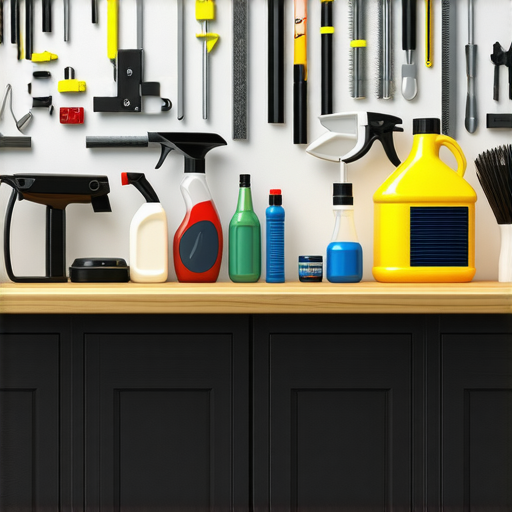
Utilize specialized brushes for tight areas—door jambs, badges, and grille vents. A flexible brush combined with cleaning sprays like detailing chemicals ensures deep cleaning without damage. Remember, every component matters; clean the plastics, glass, and metals with products designed for each surface. It’s akin to a dentist polishing each tooth: meticulous care yields the best results.
Implementing Consistent Maintenance Routines
The real challenge lies in retention. Regular washes with efficient supplies and periodic touch-ups, like ceramic sprays, maintain your work. For instance, I keep a stash of quick-detailer sprays for daily use, which keep my car looking freshly detailed longer. Incorporate routine checks and refer to guides like maintenance tips for paint protection film to extend durability and protect your investment over the years.Even seasoned hobbyists and aspiring professionals alike sometimes fall prey to misconceptions about DIY car detailing, especially when it comes to complex procedures like paint correction and ceramic coating. One of the most common myths is that all car wash soaps are created equal, leading many to choose cheap, generic solutions that strip away protective coatings rather than enhance them. In reality, selecting a high-quality car wash soap formulated for modern paints, especially those with ceramic or graphene layers, is crucial to maintain longevity and gloss. Skimping here can cause micro-abrasions or diminish your coating’s effectiveness, ultimately costing you more time and money in repairs down the line.
Is There More to Paint Correction Than Just Hitting It With a Buffer?
Many enthusiasts believe that applying a heavier compound or increasing machine speed will yield faster results, but this common mistake often leads to deeper paint damage or haze. Advanced paint correction demands an understanding of nuances—such as choosing the right pads and compounds for specific issues like swirl marks or haze, and knowing when to switch to finer polish stages. This is where deep knowledge, backed by experience and referencing authoritative sources like detailed guides on paint correction mistakes, makes a real difference. Using the wrong technique or product can undo your hard work and require costly professional intervention, so patience and precision are king.
A less obvious trap is underestimating the importance of surface preparation before applying ceramic coatings. Many skip proper cleaning and decontamination, assuming that their existing wash is enough, which leads to adhesion issues and uneven finish. For optimal results, thorough prep—including clay barring and decontamination—is essential, especially for delicate surfaces like plastic trim or matte paint. Proper preparation ensures the long-term durability of your coating and prevents costly reapplications.
Have you ever fallen into this trap? Let me know in the comments. By understanding and avoiding these nuanced mistakes, you can elevate your DIY detailing from amateur to pro-level, ensuring you get the most out of every product and technique. Remember, investing in the right mobile detailing equipment and following advanced practices will pay dividends in both appearance and protection over time.
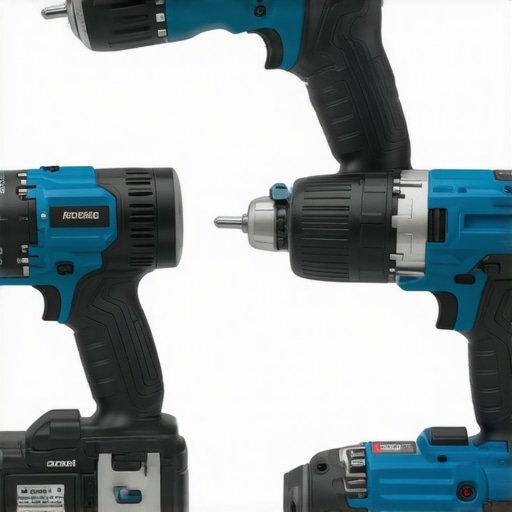
Maintaining a pristine finish on your vehicle requires more than just the initial effort; it involves investing in reliable, high-quality tools that deliver consistent results over time. My go-to equipment includes a calibrated dual-action polisher like the Effectra 21mm DA polisher, which offers superior control and reduced heat buildup, ensuring your paint isn’t compromised during correction. Using a grit guard in your wash bucket keeps abrasives away from your wash media, preventing micro-marring and extending the life of your towels. Additionally, a professional-grade drying blower like the Metro Vac N Blo is essential for rapid, scratch-free drying, especially in humid environments like West Los Angeles. Predicting the trajectory of detailing technology, I see smart equipment integrating with app-controlled systems becoming the norm, allowing real-time feedback and process adjustments for optimal results. To keep your gear performing at its best, regular maintenance is vital—clean your polishers with compressed air after each use and replace worn pads promptly, referencing detailed guides such as maintenance tips for ceramic-coated wheels. Don’t get caught off guard with equipment failures—dedicate time each month to inspect and service your tools, ensuring longevity and peak performance. For a practical challenge, try upgrading your drying method with a high-quality touchless blower and experience how it transforms your finishing process. Staying ahead in this fast-evolving field means committing to equipment care—your vehicle’s appearance depends on it.
The Unexpected Lessons That Reshaped My Detailing Approach
One of the most valuable insights I gained was the importance of patience over speed. Rushing through paint correction or ceramic coating application often leads to subpar results or even damage. Taking the time to understand each product’s nuances—like how a specific polishing pad interacts with a particular paint type—has been a game-changer. Also, I learned that investing in quality tools pays dividends; a reliable dual-action polisher ensures consistent results and reduces fatigue, making the entire process more enjoyable. Lastly, I realized that surface preparation can’t be overstated—skipping steps like proper decontamination almost always comes back to haunt me with micro-marring or uneven coatings, which is why thorough prep with trusted detailing supplies is crucial for professional-grade finishes.
My Tools of the Trade That Keep Me Ahead in 2026
Over the years, a handful of products and resources have become essential. The best mobile detailing power tools I trust deliver efficiency and precision, making tedious tasks manageable. My go-to microfiber towels, especially those from trusted suppliers, ensure safety across delicate surfaces. For drying, the touchless blowers have saved me hours, especially in humid climates like West Los Angeles. When it comes to paint correction, I prefer strategic polishing techniques backed by reputable guides to avoid costly mistakes. Continuously refining my toolkit with these resources keeps my results consistent and helps tackle new challenges with confidence.
Ignite Your Passion with a Fresh Perspective on Car Detailing
Embarking on a DIY detailing journey can feel daunting, but remember: every expert started where you are now. If you’re willing to learn, experiment, and savor each small victory—the glossy shine, the immaculate interior—you’ll not only improve your skills but also gain a deep sense of pride in your work. The future of car detailing is bright, especially with breakthroughs in paint correction and ceramic coatings that make professional results accessible at home. So why wait? Take that first step, invest in your vehicle, and watch your confidence grow along with your car’s pristine finish. Your journey to mastering DIY car detailing in 2026 starts today—are you ready to elevate your skills and take pride in every detailed inch of your vehicle?