
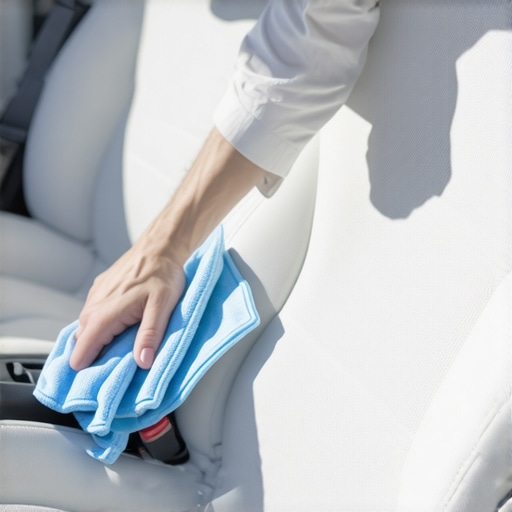
One morning, I found myself staring at my pristine 2026 Alcantara seats, a patch of stubborn stains daring to ruin my spotless interior. I had just finished a DIY detailing session, confident I knew my way around car care. But as I tried to wipe away a spill, I realized—this delicate fabric demanded more than just regular cleaning supplies. My first attempt left faint scratches, almost as if I’d inflicted more damage than good. That uh-oh moment made me question: am I treating Alcantara right? If you’ve ever experienced similar frustrations, you’re not alone. Alcantara’s luxurious look is enticing, but its delicate fibers mean regular cleaning methods can do more harm than good.
Why Alcantara Cleaning Is a Delicate Art, Not a One-Size-Fits-All
Alcantara has gained popularity for its plush feel and sophisticated appearance, making it a favorite among luxury car owners. But beneath its attractive surface lies a fabric that’s sensitive to harsh chemicals and aggressive scrubbing. Early on, I made the mistake of grabbing standard upholstery cleaners, assuming they’d work just as well on Alcantara. Instead, I realized that abrasive tools and improper cleaning techniques could cause permanent damage—fading, pilling, or even discoloration. According to experts, using the wrong cleaning methods can strip away the fabric’s fibers or create unsightly spots.
The key is knowing that Alcantara requires a gentle touch combined with the right products. Fortunately, with a few proven tips and tricks, you can clean your seats safely and maintain that brand-new look for years to come. Ready to learn my personal methods that have worked wonders? If so, let’s dive into how you can master Alcantara seat care without risking any damage.
Will Using the Wrong Products Ruin Your Alcantara?
Yep, I’ve been there. I once thought a heavy-duty fabric cleaner would be perfect, but it turned my seats into a patchwork of faded spots. That mistake taught me one vital lesson: not all cleaning products are created equal, especially for delicate fabrics like Alcantara. It’s tempting to reach for the strongest stuff, but that can backfire. Instead, choosing a pH-balanced cleaner and knowing proper application can make all the difference. For more specialized tools, consider exploring interior cleaning tips tailored for delicate surfaces.
Now that you know how cautious you need to be, I’ll guide you through simple, effective steps to keep your Alcantara seats spotless and damage-free. Trust me, with a little care, your car’s interior can look stunning—minus the worry of ruining it.
Select the Right Cleaning Products
Start by choosing a pH-neutral, fabric-safe cleaner specifically designed for delicate materials like Alcantara. Avoid harsh chemicals or all-purpose cleaners that can damage fibers. I learned this lesson the hard way when using a heavy-duty fabric spray, which left my seats faded and patchy. For best results, opt for products from reputable detailing brands or those recommended by experts. Check out trusted cleaning supplies to ensure you’re using safe options.
Prepare Your Workspace and Tools
Clear your area, gather microfiber towels, a soft-bristle brush, and your chosen cleaner. Microfiber towels are gentle and won’t scratch the fabric, much like wrapping a fragile gift. I once tried using a rough towel and ended up with tiny pilling—reminding me why delicate textiles require care. Keep a spray bottle handy for even application, and consider a gentle vacuum to remove loose dirt beforehand. This pre-cleaning step is crucial for avoiding deep grit that can cause abrasions during wiping.
Perform a Gentle Vacuum and Blot
Begin by vacuuming your Alcantara seats with a soft brush attachment to lift dust and debris. Be careful around seams to prevent fiber stress. Then, lightly blot stains with a clean microfiber towel to absorb excess fluids. I recall a time I tried to scrub a stubborn coffee spill immediately; it spread the stain and damaged fibers. Patience is key—accept that you won’t get perfect results instantly but avoid aggressive motions that cause pilling or scratching.
Apply Cleaner with a Controlled Technique
Lightly spray your cleaning solution onto the microfiber towel or directly onto small areas, avoiding oversaturation. Use a gentle blotting or dab motion, like pressing a sponge rather than wiping. This prevents water or cleaner from seeping into the foam beneath, which could cause mold or fabric weakening. I once made the mistake of overspraying, resulting in stiff seats that looked worse. Remember, less is more—apply cleaner gradually and evenly.
Clean with Soft Brushing and Wiping
For embedded dirt, use a soft-bristle brush to lift fibers delicately. Move in small, circular motions without pressing hard. Follow with a dry microfiber towel to absorb loosened dirt and moisture. Think of this step as gently fluffing a pillow—aggression flattens fibers and diminishes your seat’s plush feel. I found that using a dedicated upholstery brush provided more control and prevented pilling, aligning with the idea of specialized detailers’ tools for delicate surfaces.
Allow Proper Drying and Post-Care
Let the seats air-dry in a well-ventilated space. Avoid direct sunlight, which can fade colors. If needed, gently dry with a microfiber towel to remove residual moisture. Regularly inspecting and lightly brushing your Alcantara maintains its softness and prevents pilling. To preserve the fabric’s appearance longer, consider applying a fabric protector spray formulated for delicate textiles, but test it on a small hidden area first. Keeping your seats in pristine condition is akin to maintaining a prized piece of furniture—care and patience always pay off.
Many enthusiasts assume that selecting the most popular or cheapest auto detailing products guarantees professional results. However, this misconception can lead to costly mistakes and subpar finishes. In my experience, quality and understanding the specific nuances of each product matter far more than brand hype or price tags. For example, many rely on generic car wash soap, thinking it’s suitable for all finishes, but using a pH-balanced, paint-friendly car wash soap designed for delicate surfaces ensures a safer, shinier wash without stripping protective layers.
Are Your Products Actually Designed for Your Car’s Specific Needs?
One overlooked nuance is matching products to your vehicle’s surface type. Using harsh paint correction compounds on a soft clear coat can cause more harm than good, leading to micro scratches or removed gloss. Experts warn that misunderstanding product compatibility increases the risk of irreversible damage. Instead, consider tools like professional-grade kits tailored for your car’s finish and condition, ensuring safe, effective results. Avoid the trap of thinking that all polishes or compounds are universal—learning the nuances helps prevent costly correction jobs later on.
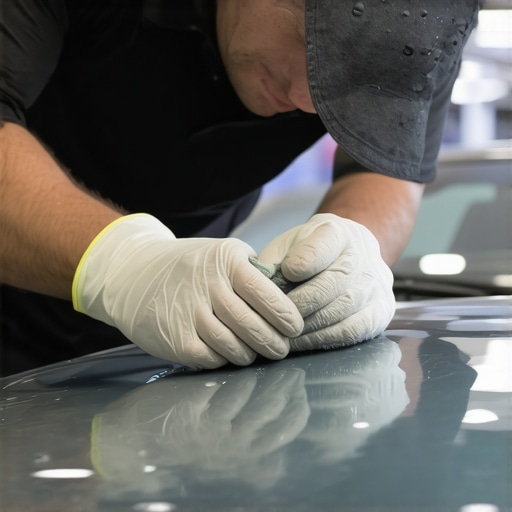
Another common myth is that more is better when it comes to detailing products. Using excessive amounts of polish or sealant doesn’t accelerate shine or protection—in fact, oversaturation can cause streaks, uneven coatings, or wasteful overspending. A thin, even layer applied with the right tools outperforms heavy-handed applications every time. For advanced enthusiasts, investing in quality buffing pads and mastering controlled application techniques is crucial for achieving mirror-like finishes without flaws.
What’s the Best Way to Avoid Costly Mistakes in Paint Correction?
In my years of detailing, I’ve learned that awareness of the hidden nuances can make or break your project. For instance, choosing the wrong paint correction strategies—such as aggressive compounding on soft clear coats—can lead to paint delamination or orange peel effects. Instead, understanding the specific paint type and conditions your vehicle has will guide you toward appropriate corrective methods. Consulting expert guides and performing tests on hidden areas before tackling visible spots can save you time and money.
Finally, the best-kept secret in achieving long-term durability is integrating proper paint protection and maintenance routines into your detailing regimen. Recognizing these subtle details and avoiding common pitfalls ensure your work stands the test of time and environmental stressors. Have you ever fallen into this trap? Let me know in the comments and share your experiences with choosing the right detailing products or techniques.
Maintaining your professional-grade car detailing setup is essential for consistent, flawless results. I personally recommend investing in a high-quality pressure washer with durable hoses because they deliver reliable water pressure without leaks or loss of flow over time. For example, I prefer the mobile detailing pressure washer hoses designed for 2026, which feature reinforced connectors and flexible materials to withstand daily use. These hoses ensure you can reach every nook and cranny without battling with kinks or damage, which is a game-changer in mobile environments.
Another tool I rely on heavily is an efficient, organized detailing cart. The mobile detailing cart options are built with compartments for brushes, towels, and sprays at arm’s reach, reducing the time spent hunting for supplies and keeping everything tidy. Long-term, this organization pays off by reducing wear and tear on your equipment and making your workflow seamless.
And for those working on paint correction, a solid buffer is critical. I recommend the 7 rotary polishers for 2026 because of their balance between power and control. Pair this with quality buffing pads from top-rated buffing pads to achieve that perfect finish. Remember, equipment maintenance extends beyond just operation—regularly inspect your pads and replace worn components to prevent introducing scratches or swirl marks during polishing.
How do I keep my tools performing at their best over time?
Consistent cleaning and proper storage are fundamental. Wash hoses with a gentle degreaser and store them coiled in a dry, shaded area to prevent deterioration. Use compressed air to clear nozzles and pumps from dust and debris after each use. Similarly, de-brief your cart and wipe down surfaces to avoid dust buildup that can interfere with delicate operations. For polishing equipment, periodically check for loose parts and apply lubricant to moving joints—some experts suggest consulting this detailed maintenance guide for best practices.
Looking ahead, I believe the future of detailing tools will lean heavily toward smart technology. Imagine Bluetooth-enabled pressure washers that auto-report wear levels or cordless polishers with integrated temperature sensors to prevent overheating. Staying ahead means regularly updating your toolkit with innovations that save time and improve quality.
If you’re ready to elevate your setup, start by testing a high-end buffing pad with your existing polisher—it’s a small upgrade that can deliver remarkable results and extend the lifespan of your equipment. Remember, the magic of professional results often lies in the details of your tools and how well you maintain them. Keep your gear in top shape, and your car will thank you with a stunning, long-lasting finish.
What I Wish I Knew Before Starting My Alcantara Journey
- My biggest lightbulb moment was realizing that gentle cleaning isn’t just an option—it’s a necessity with Alcantara. Using the wrong tools or products can cause irreversible damage, like pilling or discoloration. I’ve learned that patience and the right techniques are critical for preserving its luxurious look.
- Another surprise was how much routine maintenance, like regular vacuuming and gentle brushing, can extend the lifespan of Alcantara seats. Small, consistent efforts pay off, preventing deep-seated dirt from becoming a nightmare to clean later.
- Finally, I discovered that investing in specialized tools and high-quality, fabric-safe cleaners truly makes a difference. Cutting corners often leads to costly repairs or replacements, which defeats the purpose of maintaining that pristine interior.
Elevate Your Detailing Arsenal with Trusted Resources
- Top-tier cleaning supplies: I swear by products from reputable brands that specialize in delicate textiles. They are pH-balanced and designed specifically for fabrics like Alcantara, ensuring effective cleaning without damage. Check out trusted cleaning supplies for options that won’t let you down.
- Gentle tools for delicate work: A soft-bristle brush paired with microfiber towels is my go-to combo. They help lift dirt and restore texture without scratching or pilling. I also recommend exploring quality tools that are designed for precision.
- Educational content: Staying informed is key. Deep dives into product compatibility and techniques, like those found in detailed guides, empower you to make smarter decisions. For further insights, explore expert-curated kits.
Your Turn to Shine in Car Care
Remember, protecting Alcantara seats isn’t just about avoiding mistakes—it’s about embracing the process and enjoying the results. With a little effort and the right knowledge, you can keep your interior looking like it just rolled out of the showroom for years to come. So why wait? Dive into your next detailing project with confidence, and watch your craftsmanship evolve. Every car enthusiast deserves to experience that sense of pride in a beautifully maintained vehicle.
Have you ever struggled with choosing the right cleaning products or techniques for Alcantara? Share your experiences below—I’d love to hear your stories and tips!